South East Asia Telehealth Market PESTEL Analysis and Key Growth Opportunities, 2028

South East Asia Telehealth Industry Overview

The South East Asia telehealth market size was valued at USD 194.5 million in 2020 and is expected to expand at a compound annual growth rate (CAGR) of 17.6% from 2021 to 2028. Increasing penetration of the internet and the constant evolution of smartphones and tablets have made accessing telehealth services more convenient and are expected to contribute to the growing demand. Users are increasingly turning aware of the importance of monitoring health and fitness to control the incidence of chronic ailments and are using their smartphones to track the same. In addition, innovators are designing technologies to deliver quality care through various web and cloud-based platforms.
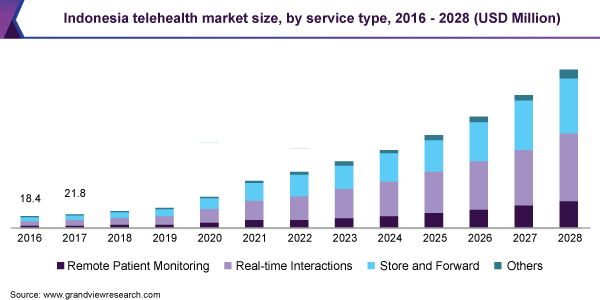
Indonesia telehealth market size, by service type, 2016 - 2028 (USD Million)

The emergence of the internet of things in healthcare with integrated analytics, advanced wearable devices, and strong mobile connectivity has significantly transformed the healthcare industry and has enabled efficient patient monitoring, optimizing prescriptions, and chronic disease management. Furthermore, deep learning and artificial intelligence functionalities enhance the personalization of healthcare. These advanced techniques are incorporated in telehealth to assist the conclusive disposition of patients through remote analysis. For example, the Telehealth platform of Haldoc uses AI to provide its physicians with feedback on their performance and consultation and training for performance enhancement.

Gather more insights about the market drivers, restraints and growth of the South East Asia Telehealth market

The ongoing Covid-19 pandemic has burdened global healthcare systems and is anticipated to drive the demand for telehealth services. Owing to lockdowns and movement restrictions, patients shifted their focus to telemedicine amidst the fear of contracting the virus by visiting the healthcare facility. Insurance companies and key players are collaborating to provide a free consultation to their customers. Due to the pandemic-induced travel restrictions, several telehealth firms witnessed a surge in demand for their services. For instance, Haldoc recorded a ten-fold increase in the number of active users in 2020 in Indonesia.

Browse through Grand View Research's Healthcare Industry Related Reports

Telehealth Services Market - The global telehealth services market size was valued at USD 26.4 billion in 2021 and is expected to expand at a compound annual growth rate (CAGR) of 30.4% from 2022 to 2030.

Telemedicine Market - The telemedicine market size was valued at USD 70.4 billion in 2021 and is estimated to grow at a compound annual growth rate (CAGR) of 19.5% from 2022 to 2030.

South East Asia Telehealth Industry Segmentation

Grand View Research has segmented the South East Asia telehealth market on the basis of service type, delivery mode, application, type, end use, and country:

South East Asia Telehealth Service Type Outlook (Revenue, USD Million, 2016 - 2028)

  • Remote patient monitoring
  • Real-time interactions
  • Store and forward
  • Other services

South East Asia Telehealth Delivery Mode Outlook (Revenue, USD Million, 2016 - 2028)

  • Web-based
  • Cloud-based
  • On-premises

South East Asia Telehealth Application Outlook (Revenue, USD Million, 2016 - 2028)

  • Prevention
  • Examination
  • Diagnosis

South East Asia Telehealth Type Outlook (Revenue, USD Million, 2016 - 2028)

  • Tele-hospital
  • Tele-home

South East Asia Telehealth End-use Outlook (Revenue, USD Million, 2016 - 2028)

  • Providers
  • Payers
  • Patients
  • Others

South East Asia Telehealth Country Outlook (Revenue, USD Million, 2016 - 2028)

  • Indonesia
  • Thailand
  • Malaysia

Market Share Insights:

April 2021: Pfizer collaborated with DoctorOnCall for launching a digital therapeutics platform that focuses on three key therapeutic areas: vaccination, smoking cessation, and heart health.

Key Companies profiled:

Some prominent players in the South East Asia Telehealth Industry include

  • Halodoc
  • Doc2Us
  • GrabHealth (Grab)
  • MyDoc Pte Ltd
  • Doctor Anywhere Pte Ltd.
  • TeleMe
  • Good Doctor Technology (GDT)
  • DoctorOnCall
  • Alodokter
  • ClicknCare

Order a free sample PDF of the South East Asia Telehealth Market Intelligence Study, published by Grand View Research.
North America Oxygen Concentrators Market Revenue Opportunities and Gross Margin Analysis, 2028

North America Oxygen Concentrators Industry Overview

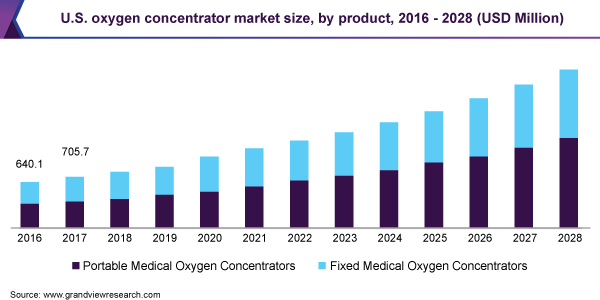
The North America oxygen concentrators market size was valued at USD 1.1 billion in 2020 and is expected to expand at a compound annual growth rate (CAGR) of 10.7% from 2021 to 2028. The ongoing COVID-19 pandemic is rapidly increasing demand for respiratory care products including concentrators. For instance, Invacare Corporation witnessed a 72.2% increase in sales of respiratory products in the fourth quarter of 2020 in North America owing to the COVID-19 pandemic. COVID-19 patients who do not require ventilator support can be treated with an oxygen concentrator. Moreover, COVID-19 patients can take oxygen therapy in the safety and comfort of their homes. The application of oxygen concentrators in the treatment of COVID-19 is a major reason for the sudden increase in demand in 2020.

U.S. oxygen concentrator market size, by product, 2016 - 2028 (USD Million) 

An increasing number of cases of COPD is a major parameter driving the growth of the market. According to the American Lung Association, 14.9 million people were suffering from COPD in 2014 which increased to 16.4 million in 2018 in the U.S. Moreover, the geriatric population along with the burden of respiratory diseases is increasing rapidly. The geriatric population is prone to respiratory disorders including asthma, COPD, fibrosis, and pulmonary hypertension, which in turn is estimated to boost the market growth potential. As per the United Nations Department of Economic and Social Affairs (2015), the number of elderly people in Northern America is projected to grow by 41.0% over the next 15 years.

Gather more insights about the market drivers, restraints and growth of the North America Oxygen Concentrators market

According to the National Health Expenditure Accounts (NHEA), healthcare spending in the U.S. increased by 4.6% in 2019 and was estimated at US$ 3.8 trillion. The per-person expenditure in 2019 was USD 11,582 and contributed to 17.7% of the GDP. Moreover, the healthcare expenditure in Canada was US$ 265.5 billion, according to the Canadian Institute of Health Information. The rise in healthcare spending is estimated to trigger the need for effective diagnosis and treatment of respiratory diseases. This, in turn, is estimated to reinforce the demand for oxygen concentrators.

Supporting initiatives by the public and private authorities is driving the market. For instance, as of February 2021, the World Health Organization has distributed 30,000 oxygen concentrators globally. In February 2021, 3B Medical announced that it will donate Aer X portable concentrator each month for the next six months. In March 2021, the U.S. Food and Drug Administration granted 510(k) clearance and marketing authorization for the X-PLO2R portable oxygen concentrator of Belluscura. Moreover, various associations such as the American Lung Association, and the National Heart, Lung, and Blood Institute (NHLBI), among others, are working towards increasing awareness of respiratory diseases such as COPD.

Moreover, key stakeholders operating the market are adopting various strategies, including mergers and acquisitions to gain a competitive advantage. This in turn is estimated to drive the growth of the market. For instance, in October 2018, NGK SPARK PLUG CO., LTD. acquired CAIRE Inc. in the U.S. to strengthen its product portfolio in the respiratory care and oxygen products segment. In October 2016, DeVilbiss announced that it had acquired DME brands from AMG Medical, which includes Hugo, Profilio, Airgo, and AquaSense, to market it in North America.

Browse through Grand View Research's Healthcare Industry Related Reports

Oxygen Therapy Market - The global oxygen therapy market size was valued at USD 16.6 billion in 2021 and is expected to expand at a compound annual growth rate (CAGR) of 10.4% from 2022 to 2030.

Medical Oxygen Concentrators & Oxygen Cylinders Market - The global medical oxygen concentrators and oxygen cylinders market size was valued at USD 2.9 billion in 2019 and is expected to grow at a compound annual growth rate (CAGR) of 4.2% from 2020 to 2026.

North America Oxygen Concentrators Industry Segmentation

Grand View Research has segmented the North America oxygen concentrators market on the basis of product, application, technology, and region:

North America Oxygen Concentrator Product Outlook (Revenue, USD Million, 2016 - 2028)

  • Portable
  • Fixed

North America Oxygen Concentrator Application Outlook (Revenue, USD Million, 2016 - 2028)

  • Homecare
  • Non-Homecare

North America Oxygen Concentrator Technology Outlook (Revenue, USD Million, 2016 - 2028)

  • Continuous Flow
  • Pulse Flow

North America Oxygen Concentrator Regional Outlook (Revenue, USD Million, 2016 - 2028)

  • North America
    • U.S.
    • Canada

Market Share Insights:

April 2019: Inogen launched Inogen One G5, a portable oxygen concentrator for home care settings or traveling.

Key Companies profiled:

Some prominent players in the North America Oxygen Concentrators Industry include

  • Invacare Corporation
  • Philips Healthcare
  • AirSep Corporation
  • DeVilbiss Healthcare
  • Nidek Medical Products, Inc.
  • Inogen, Inc.
  • Inova Labs, Inc.
  • O2 Concepts

Order a free sample PDF of the North America Oxygen Concentrators Market Intelligence Study, published by Grand View Research.
North America Sports Nutrition Market Growth Drivers, Vendor Landscape and Raw Material Outlook, 2028

North America Sports Nutrition Industry Overview

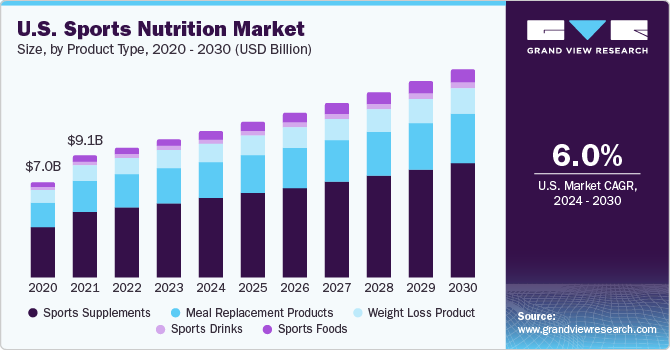
The North America sports nutrition market size was valued at USD 12.6 billion in 2020 and is expected to expand at a compound annual growth rate (CAGR) of 8.4% from 2021 to 2028. Increasing awareness about the health benefits of consuming sports nutrition products among bodybuilders and athletes is driving the market growth. Moreover, the increasing number of gym-goers and active lifestyle consumers’ adoption of sports nutrition products is further supporting market growth potential. Demand for sports nutrition products is growing rapidly from core users and active lifestyle consumers in North America. Light users consumed sports nutrition products specifically targeting muscle support, energy, weight management, and healthy snacking. Core users or heavy users are focused on sports supplements required for muscle building, strength performance, endurance, and recovery.

U.S. sports nutrition market size, by product, 2018 - 2028 (USD Billion)

Consumers involved in strength training are major consumers of whey proteins, branched-chain amino acids, essential amino acids, and protein products. According to a survey of the U.S. college athletes published by the National Institutes of Health in 2021, 41.7% of the users were consuming protein products, 28.6% were consuming shots and energy drinks, creatinine by 14%, amino acids by 12.1%, and caffeine-containing multivitamins by 5.7%. Moreover, women were less likely to consume performance-enhancing products according to the same survey. According to a youth risk behavior survey conducted among high school students in the U.S. by the Centers for Disease Control and Prevention, 11% of the high school students drank sports drinks at least one time a day in 2019 in the U.S.

Gather more insights about the market drivers, restraints and growth of the North America Sports Nutrition market

Awareness of health and fitness is increasing participation in sports and fitness activities. In addition, consumers are adopting various supplements to maintain health and wellbeing. The International Health, Racquet & Sportsclub Association (IHRSA), a Boston-based commercial health clubs trade association, reported a 27% rise in the number of health club members, from 58 million in 2010 to 73.6 million in 2019. According to the U.S. Bureau of Labor Statistics, 19.3% of the population in the U.S. was involved in exercise and sports activities each day in 2019. In addition, California, Georgia, Colorado, Illinois, Massachusetts, Maryland, Nebraska, Oregon, New York, South Carolina, Virginia, West Virginia, and Texas are some of the states where participation in sports and physical activity is increasing. All these parameters are fueling the growth of sports nutrition products in North America.

The spread of COVID-19 negatively impacted the sports nutrition market. Sales of sports nutrition products declined rapidly in 2020 as consumers were focused on buying essential products. Moreover, temporary closures of gyms & fitness centers owing COVID-19 associated lockdowns drastically declined consumption of sports nutrition products. However, the re-opening of gyms and fitness centers along with increasing consumer awareness on health is estimated to drive sales of sports nutrition products in 2020.

Browse through Grand View Research's Healthcare Industry Related Reports

Sports Nutrition Market - The global sports nutrition market size was valued at USD 40.0 billion in 2021 and is expected to expand at a compound annual growth rate (CAGR) of 8.5% from 2022 to 2030.

Sports Supplement Market - The global sports supplement market size was valued at USD 20.6 billion in 2018 and is expected to expand at a CAGR of 11.2% from 2018 to 2025.

North America Sports Nutrition Industry Segmentation

Grand View Research has segmented the North America sports nutrition market based on product type, application, formulation, consumer group, distribution channel, and country:

North America Sports Nutrition Product Type Outlook (Revenue, USD Million, 2016 - 2028)

  • Sports Supplements
  • Sports Drinks
  • Sports Foods
  • Meal Replacement Products
  • Weight Loss Product

North America Sports Nutrition Application Outlook (Revenue, USD Million, 2016 - 2028)

  • Pre-workout
  • Post-workout
  • Weight Loss
  • Others

North America Sports Nutrition Formulation Outlook (Revenue, USD Million, 2016 - 2028)

  • Tablets
  • Capsules
  • Powder
  • Softgels
  • Liquid
  • Gummies

North America Sports Nutrition Consumer Group Outlook (Revenue, USD Million, 2016 - 2028)

  • Children
  • Adult
  • Geriatric

North America Sports Nutrition Consumer Group by Activity Outlook (Revenue, USD Million, 2016 - 2028)

  • Heavy Users
  • Light Users

North America Sports Nutrition Distribution Channel Outlook (Revenue, USD Million, 2016 - 2028)

  • Bricks and mortar
  • Ecommerce

Market Share Insights:

August 2021: Gelita AG presented its products for sports nutrition applications at SupplySide East and included gelatins for soft gel, hard-capsule, or gummy delivery systems.

March 2020: PepsiCo agreed to acquire Rockstar Energy Beverages for USD 3.9 billion. The acquisition was aimed at enhancing its presence in the fast-expanding beverage category.

Key Companies profiled:

Some prominent players in the North America Sports Nutrition Industry include

  • Inovate Health Sciences
  • Abbott
  • Quest Nutrition
  • PepsiCo; Clif Bar
  • the Coca Cola Company
  • MusclePharm
  • The Bountiful Company
  • Post Holdings
  • BA Sports Nutrition
  • Cardiff Sports Nutrition

Order a free sample PDF of the North America Sports Nutrition Market Intelligence Study, published by Grand View Research.
B2B Sports Nutrition Market Business Drivers, Top Companies and Competitive Analysis, 2028

B2B Sports Nutrition Industry Overview

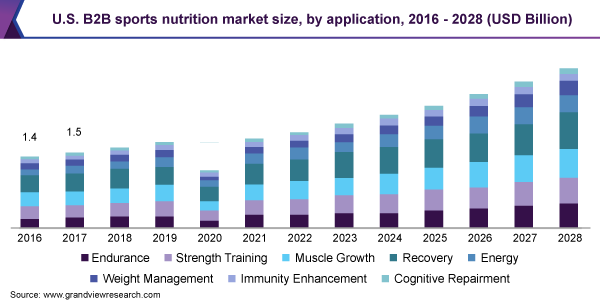
The global B2B sports nutrition market size was valued at USD 2.0 billion in 2020 and is expected to expand at a compound annual growth rate (CAGR) of 9.8% from 2021 to 2028. The rising demand for nutrition products in the form of protein bars, sports supplements, energy drinks, and other dietary supplements amongst athletes and recreational fitness enthusiasts is one of the key factors driving the market. Additionally, there has been a surge in the number of gyms and fitness centers across the globe, which is attributable to a rising inclination toward a healthy and physically active lifestyle amongst the consumers, thereby positively influencing the market growth.

 U.S. B2B sports nutrition market size, by application, 2016 - 2028 (USD Billion) 

Moreover, gyms, fitness centers, and wellness centers endorse sports nutrition products and other well-being products which would significantly contribute to growth and development.  Rapid urbanization coupled with an increase in disposable income and healthcare expenditure is another driving factor. Easy availability and accessibility to business-to-business (B2B) sports nutrition products across online and offline distribution channels are also propelling the market growth. The Covid-19 pandemic breakout resulting in temporary lockdowns, closure of gyms and fitness clubs, and postponement of sporting events has negatively impacted the growth of the market for B2B sports nutrition.

Gather more insights about the market drivers, restraints and growth of the Global B2B Sports Nutrition market

The rising inclination towards pursuing an active lifestyle among consumers is positively impacting the adoption of sports nutrition products. The surge in the number of fitness centers and gyms globally is aligning against consumers’ active lifestyle goals. The number of consumers actively participating in sporting and fitness events is rising and boosting demand for sports nutrition products.

Moreover, rapidly changing lifestyles and dietary habits are leading to nutritional deficiencies which in turn is expected to increase the demand for sports nutrition products and dietary supplements. With an increase in the working-class population, there has been a rise in disposable income thereby enlarging the consumer economy of countries. Companies are redesigning their marketing strategies to target recreational fitness enthusiasts to further create growth opportunities. Athletes are focusing on fulfilling their nutritional needs to align with their physical exercise regimes to enhance fitness.  Athletes, coaches, trainers, and fitness enthusiasts emphasize meeting nutritional needs, as it influences the training and recovery, thus enhancing performance and boosting demand for B2B sports nutrition products.

Browse through Grand View Research's Healthcare Industry Related Reports

Energy Drinks Market - The global energy drinks market size was valued at USD 86.35 billion in 2021 and is expected to expand at a compound annual growth rate (CAGR) of 8.3% from 2022 to 2030.

Dietary Supplements Market - The global dietary supplements market size was valued at USD 151.9 billion in 2021 and is expected to expand at a compound annual growth rate (CAGR) of 8.9% from 2022 to 2030.

B2B Sports Nutrition Industry Segmentation

Grand View Research, Inc. has segmented the global B2B sports nutrition market on the basis of application, distribution channel, and region:

Business-to-Business Sports Nutrition Application Outlook (Revenue, USD Million, 2016 - 2028)

  • Endurance
  • Strength Training
  • Muscle Growth
  • Recovery
  • Energy
  • Weight Management
  • Immunity Enhancement
  • Cognitive Repairment

Business-to-Business Sports Nutrition Distribution Channel Outlook (Revenue, USD Million, 2016 - 2028)

  • Gyms
  • Fitness Studio
  • Sports Academies

B2B Sports Nutrition Regional Outlook (Revenue, USD Million, 2016 - 2028)

  • North America
  • Europe
  • Asia Pacific
  • Latin America
  • MEA (Middle East & Africa)

Market Share Insights:

May 2020: Ghost Lifestyle and Anheuser-Busch InBev collaborated to design and launch a new range of sports drinks.

March 2020: Herbalife Nutrition partnered with Inspire Institute of Sports (IIS) and will supply athletes with B2B sports nutrition products.

Key Companies profiled:

Some prominent players in the global B2B Sports Nutrition Industry include

  • Glanbia Plc.
  • Abbott
  • PepsiCo
  • General Nutrition Centers, Inc.
  • The Bountiful Company
  • Clif Bar & Company
  • Science in Sport
  • The Hut Group
  • Cardiff B2B Sports Nutrition Limited
  • Iovate Health Sciences
  • MUSCLEPHARM
  • Post Holdings, Inc.
  • Herbalife International of America, Inc.

Order a free sample PDF of the B2B Sports Nutrition Market Intelligence Study, published by Grand View Research.
Gluten-free Baking Mixes Market Revenue Opportunities and Gross Margin Analysis

Gluten-free Baking Mixes Industry Overview

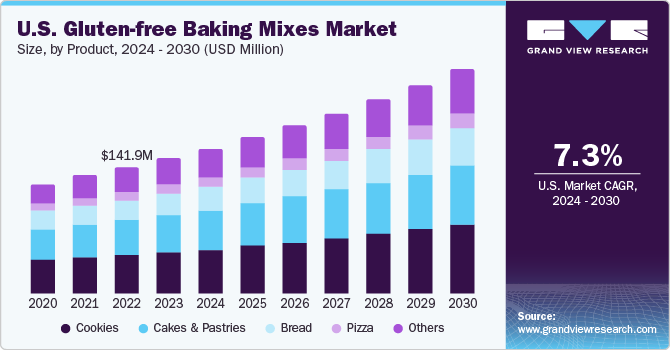
The global gluten-free baking mixes market size was valued at USD 391.1 million in 2020 and is expected to grow at a compound annual growth rate (CAGR) of 7.5% from 2021 to 2028. The increasing prevalence of celiac disease, non-celiac gluten sensitivity, and rising demand for convenient healthy food items are anticipated to drive the demand for the product over the forecast period. The COVID-19 pandemic had a positive impact on the product demand as home-baking activities increased significantly during the lockdown period. Google searches for baking tips and bread recipes have been soaring all over the world since the start of the pandemic, as people sought to learn new skills and take up different activities to stay busy. The work-from-home trend, along with the severe restriction of stay-home policy, has been encouraging consumers to indulge in cooking practices at home.

U.S. gluten-free baking mixes market size, by product, 2016 - 2028 (USD Million)

Bakery products are mainly prepared using wheat; however, the high quantity of gluten in the grain has been limiting its utilization. Wheat is, therefore, being replaced with various grains and pulses like quinoa, oats, amaranth, teff, corn, brown rice, buckwheat, and sorghum. The mixes are available for various bakery products-including bread, muffins, pizzas, donuts, and cakes.

Gather more insights about the market drivers, restraints and growth of the Global Gluten-free Baking Mixes market

Countries including the U.S., Germany, and the U.K. are the major consumers of bakery products in the world. The increasing prevalence of celiac disease and Irritable Bowel Syndrome (IBS) in these countries is the primary factor fueling the demand for gluten-free products. For instance, according to the American College of Gastroenterology, in 2019, around 10 to 15% of the adult population in the U.S. had IBS.

Lately, many health-conscious people, who do not suffer from celiac disease, gluten intolerance, or gluten sensitivity, are also making a sensible effort to avoid gluten-containing foods. Thus, the rising consumption of bakery foods worldwide coupled with high health consciousness, especially among millennials and Gen Z, is driving the market.

With the growing demand for gluten-free foods, key brands offering baking mixes are using a progressive approach to keep up with the current trends. Companies have been increasingly expanding their consumer base by extending their geographical reach. For instance, in June 2020, Aldi Stores Ltd. announced the testing of its own LiveGfree brand’s gluten-free products at different locations across the U.S.

Browse through Grand View Research's Consumer Goods Industry Related Reports

Gluten-Free Products Market - The global gluten-free products market size was valued at USD 5.9 billion in 2021 and is expected to expand at a compound annual growth rate (CAGR) of 9.8% from 2022 to 2030.

Bakery Products Market - The global bakery products market size to be valued at USD 251.1 billion by 2025, expanding at a compound annual growth rate (CAGR) of 3.2% during the forecast period.

Gluten-free Baking Mixes Industry Segmentation

Grand View Research has segmented the global gluten-free baking mixes market on the basis of product, distribution channel, and region:

Gluten-free Baking Mixes Product Outlook (Revenue, USD Million, 2016 - 2028)

  • Cookies
  • Cakes & Pastries
  • Bread
  • Pizza
  • Others

Gluten-free Baking Mixes Distribution Channel Outlook (Revenue, USD Million, 2016 - 2028)

  • Grocery Stores
  • Mass Merchandiser
  • Independent Natural or Health Food Store
  • Club Stores
  • Drug Stores
  • Others

Gluten-free Baking Mixes Regional Outlook (Revenue, USD Million, 2016 - 2028)

  • North America
  • Europe
  • Asia Pacific
  • Central & South America
  • Middle East and Africa

Market Share Insights:

June 2020: SalDoce Fine Foods launched its products on eBay and Amazon Australia through its brand YesYouCan.

Key Companies profiled:

Some prominent players in the global Gluten-free Baking Mixes Industry include

  • General Mills, Inc.
  • Conagra Brands, Inc.
  • Kinnikinnick Foods, Inc.
  • Williams-Sonoma, Inc.
  • Continental Mills, Inc.
  • Partake Foods
  • Chebe
  • Naturpro
  • King Arthur Baking Company, Inc.
  • SalDoce Fine Foods

Order a free sample PDF of the Gluten-free Baking Mixes Market Intelligence Study, published by Grand View Research.
Europe Reusable Water Bottle Market Application Outlook and Research Report

Europe Reusable Water Bottle Industry Overview

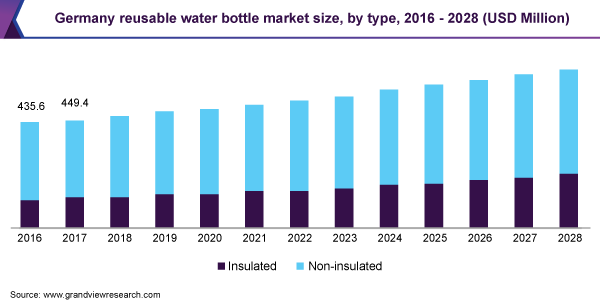
The Europe reusable water bottle market size was valued at USD 1.72 billion in 2020 and is expected to expand at a compound annual growth rate (CAGR) of 4.1% from 2021 to 2028. Rising awareness regarding plastic pollution levels across the region is influencing consumers to disregard bottled water, thereby driving the market for the reusable water bottle. In addition, the adoption of a healthier lifestyle among consumers to keep themselves hydrated is expected to boost the sales of the product in the forecast period. The widespread home isolation guidelines have spurred the demand for various kitchen products, including reusable bottles, during the Covid-19 pandemic. According to a blog post by Klarna, millennials and Generation X used a large portion of their income on home and garden products during the lockdown. These items included drinkware, kitchenware, and other household products. Before the pandemic, 42% of people purchased bottled water for consumption at home despite easy access to tap or filtered water, which fell to 32% during the lockdown, according to YouGov’s report in July 2020.

Germany reusable water bottle market size, by type, 2016 - 2028 (USD Million)

Plastic beverage bottles are among the most dangerous pollutants present on the Earth and are posing a serious threat to human and marine life. A large amount of non-biodegradable plastic waste is present in the oceans and landfills. Ocean plastic waste adversely affects marine life whereas that in landfills affects human life by contaminating underground water.

Gather more insights about the market drivers, restraints and growth of the Europe Reusable Water Bottle market

To restrict such pollutants, in 2019, the European Union approved a ban on certain single-use plastics. This ban will come into effect from July 2021 and be implemented in all EU member countries. It includes single-use plastic items most commonly found on beaches in Europe. Although the law does not fully ban plastic bottles, it includes a 90% collection target for those by 2029. Moreover, the EU mandates plastic bottles to be made with 30% by 2030. These initiatives are likely to automatically drive the need for reusable water bottles across the region.

Over the past few years, a significant increase in the demand for reusable water bottles, majorly at the workplace and for home use, owing to their eco-friendly nature and reusability has boosted market growth across the region. The rising adoption rate of these bottles can be attributed to their cost-effectiveness, environmental friendliness, and durability. Shifting consumer preferences, evolving lifestyles, and improved standards of living are contributing to reusable water bottles becoming more of a style statement at workplaces or colleges. These factors are expected to drive the European market for reusable water bottles over the foreseeable future.

Despite the positive outlook, reusable water bottles are characterized by high manufacturing costs as raw materials such as stainless steel and glass are more expensive than plastic. In addition, the production of water bottles from stainless steel, copper, or other metals involves high consumption of energy. Moreover, even though glass bottles are among the most preferred options to reduce plastic pollution, they are easily breakable and have fewer chances of lasting for a long duration as compared to plastic water bottles. These factors are likely to restrict the market growth up to some extent in the coming years.

Browse through Grand View Research's Consumer Goods Industry Related Reports

Reusable Water Bottle Market - The global reusable water bottle market size was valued at USD 8.64 billion in 2021 and is expected to expand at a compound annual growth rate (CAGR) of 4.3% from 2022 to 2030.

Drinkware Market - The global drinkware market size was valued at USD 3.87 billion in 2018 and is expected to register a CAGR of 3.1% from 2019 to 2025.

Europe Reusable Water Bottle Industry Segmentation

Grand View Research has segmented the Europe reusable water bottle market on the basis of material, type, distribution channel, and country:

Europe Reusable Water Bottle Material Outlook (Volume, Million Units; Revenue, USD Million, 2016 - 2028)

  • Glass
  • Aluminum
  • Plastic
  • Silicone
  • Steel
  • Others (Copper, Brass)

Europe Reusable Water Bottle Type Outlook (Volume, Million Units; Revenue, USD Million, 2016 - 2028)

  • Insulated
  • Non-insulated

Europe Reusable Water Bottle Distribution Channel Outlook (Volume, Million Units; Revenue, USD Million, 2016 - 2028)

  • Online
  • Offline

Europe Reusable Water Bottle Country Outlook (Volume, Million Units; Revenue, USD Million, 2016 - 2028)

  • Germany
  • Austria
  • Switzerland
  • France
  • Great Britain
  • Spain
  • Italy

Key Companies profiled:

Some prominent players in the Europe Reusable Water Bottle Industry include

  • Tupperware Brands Corporation
  • SIGG Switzerland Bottles AG
  • Hydaway
  • 24 Bottles
  • Hydro Flask
  • Klean Kanteen
  • Contigo
  • CamelBak Products, LLC
  • Laken
  • Ball Corporation
  • Thermos L.L.C.
  • S’well
  • Chilly’s Bottles Limited

Order a free sample PDF of the Europe Reusable Water Bottle Market Intelligence Study, published by Grand View Research.
Drug Testing Market Business Drivers, Top Companies and Competitive Analysis

Drug Testing Industry Overview

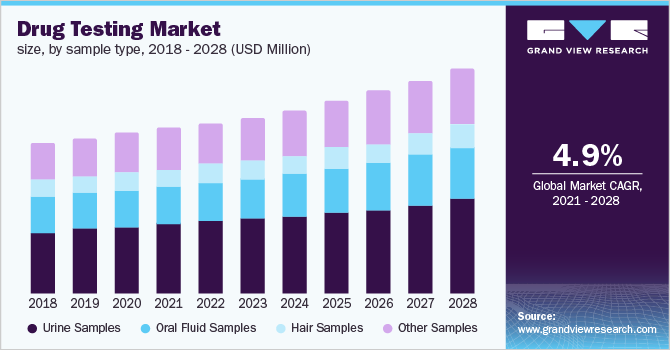
The global drug testing market size to be valued at USD 11.7 billion by 2028 and is expected to grow at a compound annual growth rate (CAGR) of 4.9% during the forecast period. Stringent regulations by government agencies mandating alcohol and drug testing for safety purposes and increasing initiatives to monitor and combat substance abuse are anticipated to support the market growth. Also, the growing incidence of substance abuse across the globe has led to an increase in the need for its screening, which has propelled the demand for drug testing. Moreover, the COVID-19 pandemic and resulting business closings, economic downturn, and job losses have adversely affected the mental health of people and have led to higher rates of substance abuse.

Drug Testing Market size, by sample type

As per the CDC estimates, around 13.3% of Americans initiated or increased substance abuse to cope with anxiety or emotions related to COVID-19, thus, created a high demand for drug testing. However, a nationwide lockdown due to COVID-19 in major economies has slow down the demand for roadside and workplace testing in 2020, thus adversely affected the market growth to some extent.

Gather more insights about the market drivers, restraints and growth of the Global Drug Testing market

Enforcement of stringent laws by several government agencies mandating substance abuse screening for safety purposes has driven the demand for innovative products. For instance, after conducting a one-year roadside drug testing pilot program from 2017 to 2018 in five counties, in October 2019, the Michigan State Police (MSP) expanded Oral Fluid Roadside Analysis Pilot Program in all counties. Similarly, in August 2018, the Minister of Justice and Attorney General of Canada approved the use of roadside oral fluid screening equipment to detect drug-impaired drivers.

Various government initiatives to monitor and combat substance abuse are driving the market. The Health Canada's Substance Use and Addictions Program (SUAP) offers funding and contribution for projects that address substance abuse problems in Canada. This initiative supports substance use prevention, harm reduction, and treatment initiatives across Canada. Moreover, in April 2016, the New York City government launched a series of initiatives to train doctors and counselors treating substance abuse and increasing testing for synthetic opioids. The National Drug Control Budget requested USD 34.6 billion in FY 2020 across five drug control functional areas in the U.S.: Prevention, operation, treatment, law enforcement, and interdiction.

The right to privacy and prohibition of drug and alcohol testing in several countries are likely to be major factors hampering the market growth. In many European countries, such as Finland and Belgium, unlike the U.S., there are stringent privacy rights that cannot be ignored while screening for substance abuse. In the Netherlands, pre-employment substance abuse screening is illegal. Many European countries issue penalties for unjustified testing, with criminal fines. This is considered a breach of worker’s privacy. Hence, such stringent privacy rights are likely to limit testing at workplaces, impeding market growth.

Browse through Grand View Research's Healthcare Industry Related Reports

Drug Discovery Informatics Market - The global drug discovery informatics market size was valued at USD 2.39 billion in 2020 and is expected to grow at a compound annual growth rate (CAGR) of 11.3% from 2021 to 2028.

Drug And Gene Delivery Devices Market - The global drug and gene delivery devices market size to be valued at USD 786.9 Billion by 2025 and is expected to grow at a compound annual growth rate (CAGR) of 7.7% during the forecast period.

Drug Testing Industry Segmentation

Grand View Research has segmented the global drug testing market on the basis of product type, sample type, drug type, end use, and region:

Drug Testing Product Type Outlook (Revenue, USD Million, 2016 - 2028)

  • Consumables
  • Instruments
  • Rapid Testing Devices
  • Services

Drug Testing Sample Type Outlook (Revenue, USD Million, 2016 - 2028)

  • Urine Samples
  • Oral Fluid Samples
  • Hair Samples
  • Other Samples

Drug Testing Drug Type Outlook (Revenue, USD Million, 2016 - 2028)

  • Alcohol
  • Cannabis/Marijuana
  • Cocaine
  • Opioids
  • Amphetamine & Methamphetamine
  • LSD
  • Others

Drug Testing End-use Outlook (Revenue, USD Million, 2016 - 2028)

  • Drug Testing Laboratories
  • Workplaces
  • Hospitals
  • Others

Drug Testing Regional Outlook (Revenue, USD Million, 2016 - 2028)

  • North America
  • Europe
  • Asia Pacific
  • Latin America
  • Middle East and Africa

Market Share Insights:

April 2019: Thermo Fisher Scientific launched CEDIA Mitragynine (Kratom) Assay for criminal justice and forensic use.

Key Companies profiled:

Some prominent players in the global Drug Testing Industry include

  • Quest Diagnostics Incorporated
  • Abbott Laboratories
  • Quidel Corporation
  • Hoffmann-La Roche
  • Thermo Fisher Scientific, Inc.
  • Siemens Healthineers
  • Bio-Rad Laboratories, Inc.
  • Agilent Technologies, Inc.
  • LabCorp

Order a free sample PDF of the Drug Testing Market Intelligence Study, published by Grand View Research.
Endoscopy Visualization Systems Market Demand, Value Chain Analysis and Key Buying Criteria

Endoscopy Visualization Systems Industry Overview

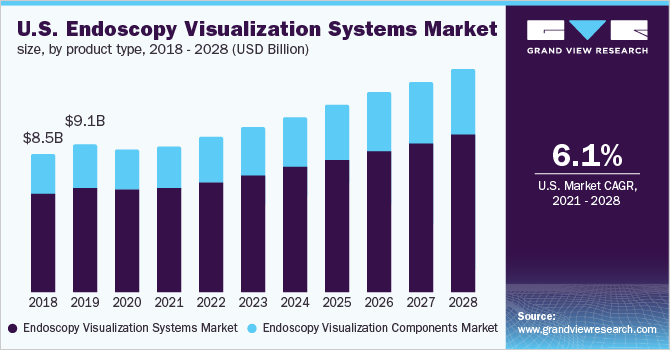
The global endoscopy visualization systems market size was valued at USD 21.5 billion in 2020 and is expected to expand at a compound annual growth rate (CAGR) of 7.0% from 2021 to 2028. Endoscopy is a minimally invasive procedure used for the examination of the internal organs in the body. Visualization systems with advanced technologies can provide superior image quality, which makes them very important in the medical field. In recent years, endoscopic procedures have emerged as a potential adjunctive tool in various medical specialties such as general surgery, gastrointestinal, urology, and others. According to the Centers for Disease Control and Prevention, around 494,000 hysterectomies are performed in the U.S. annually. Approximately 80.0% of the surgeries are done laparoscopically or robotically. Thus, shift towards minimally invasive surgeries and increasing prevalence of cancer, thereby fueling the market growth.

U.S. endoscopy visualization systems market size, by product type, 2018 - 2028 (USD Billion)

The rising prevalence of diseases including colorectal cancer, gastrointestinal disorders, pancreatic abnormalities, urological, gynecological, and respiratory problems is expected to fuel the growth of the market. As per the World Cancer Research Fund, colorectal cancer is the 3rd most common cancer in men and 2nd most common cancer among women. Furthermore, according to the WHO, the number of new colon cancer cases is projected to increase from 1.15 million in 2020 to 1.51 million by 2030. This is anticipated to favor the demand for endoscopy procedures in the coming years. Apart from this, the increasing geriatric population adds to the patient population requiring endoscopic procedures. As per the estimate of the United Nations, the number of people aged 65 years and above is expected to reach from 703 million in 2019 to 1.5 billion by 2050. This is projected to drive the market for endoscopy visualization systems over the forecast period.

Gather more insights about the market drivers, restraints and growth of the Global Endoscopy Visualization Systems market

Endoscopic procedures offer various advantages over open invasive surgeries. These procedures are associated with reduced recovery time, reduced hospital stay, less complication, lower cost, and smaller incisions resulting in better clinical outcomes. Owing to this, the adoption of minimally invasive endoscopy is increasing. According to an article published in the Gastrointestinal Endoscopy, an official publication of the American Society for Gastrointestinal Endoscopy, over 17.7 million endoscopic procedures are performed in the U.S. annually. This accounts for 5.6% of the U.S. population. Thus, a significant increase in the number of minimally invasive endoscopic procedures coupled with the rising cost burden of cancer is anticipated to favor the growth of the market for endoscopy visualization systems. Furthermore, active government support to promote less invasive surgeries in outpatient settings is likely to propel the growth of the market.

Browse through Grand View Research's Healthcare Industry Related Reports

Endoscopy Procedures Estimates Market - The global endoscopy procedures estimates market was valued at 222.9 million procedures in 2021 and is expected to grow at a compound annual growth rate (CAGR) of 1.3% from 2022 to 2030.

Endoscopy Devices Market - The endoscopy devices market size was valued at USD 42.7 billion in 2021 and is expected to expand at a compound annual growth rate (CAGR) of 7.4% from 2022 to 2030.

Endoscopy Visualization Systems Industry Segmentation

Grand View Research has segmented the global endoscopy visualization systems market on the basis of product type, resolution type, and region.

Endoscopy Visualization Systems Product Type Outlook (Revenue, USD Million, 2014 - 2028)

  • Endoscopic Visualization Systems
  • Endoscopy Visualization Components

Endoscopy Visualization Systems Resolution Type Outlook (Revenue, USD Million, 2014 - 2028)

  • 4K
  • FHD Resolution

Endoscopy Visualization Systems Regional Outlook (Revenue, USD Million, 2014 - 2028)

  • North America
  • Europe
  • Asia Pacific
  • Latin America
  • Middle East and Africa

Key Companies profiled:

Some prominent players in the global Endoscopy Visualization Systems Industry include

  • Olympus Corporation
  • Stryker Corporation
  • Boston Scientific Corporation
  • Ethicon US, LLC,
  • Machida Endoscope Co., Ltd.
  • Richard Wolf GmbH
  • Medtronic
  • Smith & Nephew plc
  • CONMED Corporation
  • PENTAX Medical
  • FUJIFILM Holdings Corporation
  • Karl Storz GmbH & Co. KG

Order a free sample PDF of the Endoscopy Visualization Systems Market Intelligence Study, published by Grand View Research.
Animal Wound Care Market is Driven by Increased Demand for Non-Invasive Surgeries by 2028

Animal Wound Care Industry Overview

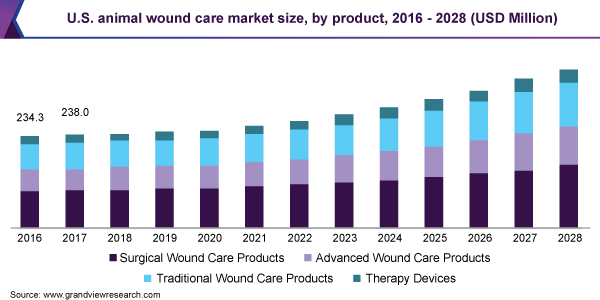
The global animal wound care market size was valued at USD 960.3 million in 2020 and is expected to expand at a compound annual growth rate (CAGR) of 6.4% from 2021 to 2028. The rising adoption of companion animals and increasing demand for veterinary surgeries are propelling the market. Moreover, the increasing number of vet visits is further propelling the market growth. According to IDEXX Laboratories, Inc., in 2019, there were an estimated 315 million total visits in the U.S.

U.S. animal wound care market size, by product, 2016 - 2028 (USD Million)

During the COVID-19 pandemic, postponement and cancellation of elective surgeries in animals due to stringent lockdown norms consequently resulted in a decline of postoperative wounds cases, thus impacting the market growth. However, the market for animal wound care has shown V-shaped recovery during the 3rd quarter of 2020 due to the resumption of pet clinic visits and ease of norms. According to IDEXX, U.S. clinic visits increased by 6% in Q4 2020 from the last quarter which is expected to increase the revenue growth over the forecast period.

Gather more insights about the market drivers, restraints and growth of the Global Animal Wound Care market

Increasing demand for animal protein and advancement in their wound care product is boosting the growth of the market. For instance, Santa Cruz Animal Health offers a wide range of bovine supplies such as topical hydrogel and advanced wound care products in cattle. In addition, in December 2020, Spectrum Antimicrobials, Inc., launched Vetricept skin and wound care cleanser products to enhance its portfolio.

Moreover, stringent government regulation related to pet well-being is propelling the revenue. For instance, it is illegal to willfully neglect, wound, injure or maim an animal under the criminal code of Canada. Provinces and territories also have laws regarding the care and treatment of farm animals which is supporting growth. Federal legislations of Europe have mandated the use of post-operative treatment/care in animals.

Companies are implementing strategies such as increased R&D activity, new product launches, and mergers & acquisitions which are further bolstering revenue. For instance, in February 2020, Sonoma Pharmaceuticals closed an asset purchase agreement for USD 1.1 million with MicroSafe Group for certain disinfection, wound care, and animal health care products in Europe. In July 2019, Bioiberica launched Klorexivet for cats and dogs with superficial injuries as a result of wounds.

Browse through Grand View Research's Healthcare Industry Related Reports

Wound Care Market - The global wound care market size was valued at USD 20.6 billion in 2021 and is projected to expand at a compound annual growth rate (CAGR) of 4.1% from 2022 to 2030.

Animal Health Market - The global animal health market size was valued at USD 39.9 billion in 2021 and is expected to witness a compound annual growth rate (CAGR) of 10.0% from 2022 to 2030.

Animal Wound Care Industry Segmentation

Grand View Research has segmented the global animal wound care market on the basis of product, animal type, end-user, distribution channel, and region:

Animal Wound Care Product Outlook (Revenue, USD Million, 2016 - 2028)

  • Surgical Wound Care Products
  •  Advanced Wound Care Products
  •  Traditional Wound Care Products
  •  Therapy Devices

Animal Wound Care Animal Type Outlook (Revenue, USD Million, 2016 - 2028)

  • Companion Animal
  • Livestock Animal

Animal Wound Care End-user Outlook (Revenue, USD Million, 2016 - 2028)

  • Veterinary Hospitals & Clinics
  • Homecare
  • Research Institutes

Animal Wound Care Distribution Channel Outlook (Revenue, USD Million, 2016 - 2028)

  • Retail
  • E-commerce
  • Veterinary Hospitals & Clinics

Animal Wound Care Regional Outlook (Revenue, USD Million, 2016 - 2028)

  • North America
  • Europe
  • Asia Pacific
  • Latin America
  • Middle East and Africa

Market Share Insights:

October 2019: 3M acquired Acelity, Inc. to enhance its portfolio in advanced wound care and specialty surgical applications marketed under the KCI brand.

June 2019: B. Braun Melsungen acquired STAVMED LLC in Russia to expand its geographical footprints and added six dialysis centers to its provider offerings.

Key Companies profiled:

Some prominent players in the global Animal Wound Care Industry include

  • Braun Melsungen AG
  • Medtronic
  • 3M Company
  • Johnson & Johnson (Ethicon)
  • Virbac
  • Advancis Veterinary Ltd
  • Innovacyn, Inc.
  • Robinson Healthcare
  • NEOGEN Corporation
  • KeriCure, Inc.
  • Sonoma Pharmaceuticals, Inc.

Order a free sample PDF of the Animal Wound Care Market Intelligence Study, published by Grand View Research.
North America Cheese Powder Market Driver, Restraint, Challenges and Opportunities Study

North America Cheese Powder Industry Overview

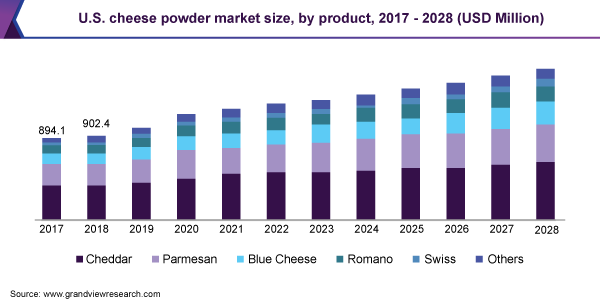
The North America cheese powder market size was valued at USD 1,418.50 million in 2020 and is expected to witness a compound annual growth (CAGR) of 4.9% from 2021 to 2028. Increasing demand for natural flavors and ingredients from the food and beverages sector is expected to be a key driver for market growth. Changing consumer lifestyles and the high urbanization rate in North American countries are contributing to the growth of the Ready-To-Eat (RTE), and snacks segments, which, in turn, is driving the demand for exotic foods and flavors. However, increasing concerns regarding the safety of products and stringent regulations related to sanitation, labeling, storage, and processing of products could be a challenge for the industry participants.

U.S. cheese powder market size, by product, 2017 - 2028 (USD Million)

The U.S. was the worst-hit country by the Covid-19 pandemic in 2020. Preventive measures to contain the spread of the infection resulted in countrywide lockdowns throughout 2020, which majorly affected restaurants, food chains, and fast-food outlets in the country. The higher unemployment rate and high inflation due to reduced supplies affected the restaurant industry in the U.S., leading to reduced product demand.

Gather more insights about the market drivers, restraints and growth of the North America Cheese Powder market

The global fast-food industry generated a revenue of over USD 647.7 billion in 2019, the U.S. alone contains over 200,000 fast-food restaurants. The rapid expansion of the middle-class population in emerging countries, such as Mexico, has increased the demand for fast foods. Also, there has been a shift in the dietary patterns and food habits of consumers who seek both quality and convenience in their food choices.

The fast-food industry is highly influenced by the changing lifestyle of the younger population, especially millennials. Fast food brands have been evolving with changing consumer trends, which is expected to have a positive impact on cheese powder market growth in the North America.

Browse through Grand View Research's Consumer Goods Industry Related Reports

Cheese Snacks Market - The global cheese snacks market size was valued at USD 64.68 billion in 2021 and is expected to expand at a CAGR of 6.3% from 2022 to 2030.

Fast Food Market - The global fast-food market size was valued at USD 529.5 billion in 2020 and is expected to grow at a compound annual growth rate (CAGR) of 4.6% from 2021 to 2028.

North America Cheese Powder Industry Segmentation

Grand View Research has segmented the North America cheese powder market on the basis of product, application, and region:

North America Cheese Powder Product Outlook (Volume, Tons; Revenue, USD Million, 2017 - 2028)

  • Cheddar
  • Parmesan
  • Blue Cheese
  • Romano
  • Swiss
  • Other

North America Cheese Powder Application Outlook (Volume, Tons; Revenue, USD Million, 2017 - 2028)

  • Snacks
  • Bakery & Confectionery
  • Dips/Dressings/Dry Mix/Sauces
  • Flavors
  • Ready-To-Eat
  • Others

North America Cheese Powder Regional Outlook (Volume, Kilotons; Revenue, USD Million, 2017 - 2028)

  • U.S.
  • Canada
  • Mexico

Key Companies profiled:

Some prominent players in the North America Cheese Powder Industry include

  • Land O’lakes, Inc.
  • Kerry
  • The Kraft Heinz Company
  • Lactosan A/S
  • Adm
  • All American Foods
  • Commercial Creamery Company
  • Dairy Farmers of America, Inc.
  • Bluegrass Ingredients, Inc.
  • Agropur

Order a free sample PDF of the North America Cheese Powder Market Intelligence Study, published by Grand View Research.
Mesenchymal Stem Cells Market size is expected to reach USD 6.1 billion by 2028

Mesenchymal Stem Cells Industry Overview

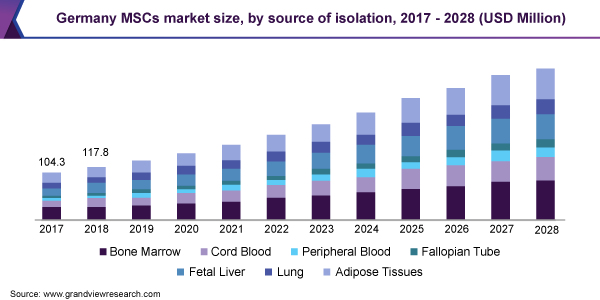
The global mesenchymal stem cells market size was valued at USD 2.4 billion in 2020 and is expected to expand at a compound annual growth rate (CAGR) of 12.6% from 2021 to 2028. An exponential rise in mesenchymal stem cell (MSC) based research and its implications in the field of regenerative medicine fuel the growth of the market. The constantly evolving landscape of stem cell therapies is also expected to propel investments in the MSC market space; large-scale operational entities are targeting small or emerging players with an operating strategy of acquisition in order to boost their market presence.

Germany MSCs market size, by source of isolation, 2017 - 2028 (USD Million)

The strong pipeline of mesenchymal stem cell-based products coupled with emerging applications of mesenchymal stem cells is anticipated to accelerate the market growth. As of 2019, 10 mesenchymal stem cells based products have received approval from regulatory bodies across the world. Moreover, a substantial number of companies are exploring the potential of MSCs as therapeutics targeted at the treatment of inflammatory disorders, in turn boosting the market growth.

Gather more insights about the market drivers, restraints and growth of the Global Mesenchymal Stem Cells market

For instance, Takeda/TiGenix phase 3 clinical trial incorporates MSCs for complex perianal fistulas in Crohn's Disease. This is the most successful late-stage clinical trial as of September 2020. These factors are anticipated to bolster the usage of MSC products offered by key market entities, thereby intensifying the market competition. The recent pandemic outbreak of COVID-19 has driven the focus of the scientific community and industry participants towards the development of MSC-based therapeutics. The immunomodulation property of MSCs makes them a potential therapeutic approach to prevent respiratory infection caused by COVID-19.

As of July 2020, more than 50 clinical trials have been reported to incorporate MSCs in the development of therapeutics associated with SARS-CoV-2 infection. Additionally, an increasing number of research activities around the development of novel vaccine platforms, involve MSCs. For instance, in June 2020, a group of research professionals in China described a novel approach for designing COVID-19 vaccines based on engineered human MSCs, with promising as well as favorable antibody response.

The majority of the mesenchymal stem cell applications are oriented towards research and clinical settings with comparatively lesser penetration across commercial applications. This is primarily attributed to the lack of standardized and regulated delivery of stem cell therapies; and ethical as well as safety concerns associated with human MSCs. Developments in the regulations and standardization of the mesenchymal stem cell industry are imperative to maintain market growth.

Browse through Grand View Research's Healthcare Industry Related Reports

Tissue Engineering Market - The global tissue engineering market size was computed at USD 9.9 billion in 2019 and is expected to witness a CAGR of 14.2% from 2020 to 2027.

Regenerative Medicine Market - The global regenerative medicine market size was valued at USD 27.29 billion in 2020 and is expected to grow at a compound annual growth rate (CAGR) of 11.27% from 2021 to 2027.

Mesenchymal Stem Cells Industry Segmentation

Grand View Research has segmented the global mesenchymal stem cells market on the basis of products and services, type, source of isolation, indication, application, and region:

Mesenchymal Stem Cells Products & Services Outlook (Revenue, USD Million, 2017 - 2028)

  • Products
  • Services

Mesenchymal Stem Cells Type Outlook (Revenue, USD Million, 2017 - 2028)

  • Autologous
  • Allogeneic

Mesenchymal Stem Cells Source of Isolation Outlook (Revenue, USD Million, 2017 - 2028)

  • Bone Marrow
  • Cord Blood
  • Peripheral Blood
  • Fallopian Tube
  • Fetal Liver
  • Lung
  • Adipose Tissues

Mesenchymal Stem Cells Indication Outlook (Revenue, USD Million, 2017 - 2028)

  • Bone And Cartilage Repair
  • Cardiovascular Disease
  • Inflammatory And Immunological Diseases
  • Liver Diseases
  • Cancer
  • GvHD
  • Others

Mesenchymal Stem Cells Application Outlook (Revenue, USD Million, 2017 - 2028)

  • Disease Modelling
  • Drug Development & Discovery
  • Stem Cell Banking
  • Tissue Engineering
  • Toxicology Studies
  • Others

Mesenchymal Stem Cells Regional Outlook (Revenue, USD Million, 2017 - 2028)

  • North America
  • Europe
  • Asia Pacific
  • Latin America
  • MEA (Middle East & Africa)

Market Share Insights:

August 2019: Bayer AG invested USD 600 million to acquire BlueRock Therapeutics to strengthen its market presence in stem cell therapies. Such notable mergers and acquisitions are anticipated to support market growth.

Key Companies profiled:

Some prominent players in the global Mesenchymal Stem Cells Industry include

  • Thermo Fisher Scientific, Inc.
  • Cell Applications, Inc.
  • Cyagen Biosciences Inc.
  • Axol Biosciences Ltd.
  • Cytori Therapeutics Inc
  • STEMCELL Technologies Inc
  • Celprogen Inc

Order a free sample PDF of the Mesenchymal Stem Cells Market Intelligence Study, published by Grand View Research.
Medical Device Regulatory Affairs Market is expected to expand at a CAGR of 8.6% by2028

Medical Device Regulatory Affairs Industry Overview

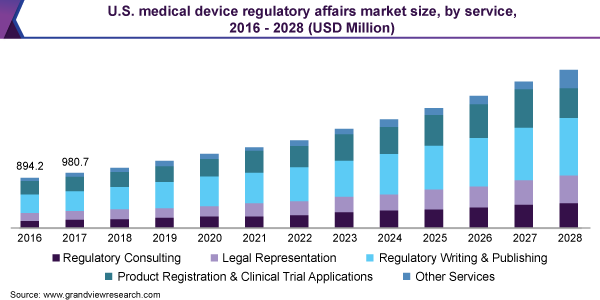
The global medical device regulatory affairs market size was estimated at USD 4.5 billion in 2020 and is expected to expand at a compound annual growth rate (CAGR) of 8.6% from 2021 to 2028. This growth can be attributed to rising demand for faster approval processes, a shifting regulatory landscape, and expansion in emerging fields such as therapeutics and diagnostics. Besides, the increasing complexity of medical devices and favorable government initiatives are also supporting the growth of the market for medical device regulatory affairs.

U.S. medical device regulatory affairs market size, by service, 2016 - 2028 (USD Million)

Right now, every aspect of the medical industry has been dominated by the COVID-19 pandemic. While the decline in economic activity has reduced revenue streams, demand for products such as ventilators and Personal Protective Equipment (PPE) has increased, mitigating the financial impact. As a result, regulatory agencies granted exemptions and emergency use authorizations quickly.

Gather more insights about the market drivers, restraints and growth of the Global Medical Device Regulatory Affairs market

The global regulatory landscape is changing rapidly, making it a complicated scenario for medical device firms. The conventional regulatory affairs are proving relatively unstable, with rules that might be changing for various products depending on what a manufacturer is selling. Exemptions related to COVID-19 have been issued by several countries around the globe. For instance, Australia issued an exemption for devices involved in diagnosis, confirmatory testing, prevention, monitoring, treatment, or alleviation of COVID-19.

Artificial intelligence and machine learning technologies have the potential to transform health by extracting a massive amount of data during healthcare delivery. Recently, numerous pre-market approvals have been granted through the FDA's pre-market pathway. One such example is the algorithm used in the Apple Watch's AF detector and diabetes management support tools that provide personalized treatment plans. The FDA has signified a different strategy that shifts the center of mass for certification, particularly for AI-related technologies, aside from a complete focus on the device or its performance and toward the company and its processes.

Besides, increasing cybersecurity threats and the financial impact of data breaches are making manufacturers of medical devices implement strategies to ensure that their products remain secure. This is being accompanied by government support. For instance, in October 2018, the FDA collaborated with the U.S. Department of Homeland Security to improve information sharing and collaboration to address cybersecurity risks, including less secure communication as well as prevention of unauthorized access when it comes to data transfer to and from the device.

Browse through Grand View Research's Healthcare Industry Related Reports

Regulatory Affairs Market - The global regulatory affairs market size was valued at USD 12.8 billion in 2021 and is anticipated to exhibit a compound annual growth rate (CAGR) of 8.7% over the forecast period.

Regulatory Affairs Outsourcing Market - The global regulatory affairs outsourcing market size was estimated at USD 6.5 billion in 2021 and is anticipated to expand at a compound annual growth rate (CAGR) of 8.9% from 2022 to 2030.

Medical Device Regulatory Affairs Industry Segmentation

Grand View Research has segmented the global medical device regulatory affairs market based on services, type, service provider, and region:

Medical Device Regulatory Affairs Service Outlook (Revenue, USD Million, 2016 - 2028)

  • Regulatory Consulting
  • Legal Representation
  • Regulatory Writing & Publishing
  • Product Registration & Clinical Trial Applications
  • Other Services

Medical Device Regulatory Affairs Type Outlook (Revenue, USD Million, 2016 - 2028)

  • Diagnostics
  • Therapeutics

Medical Device Regulatory Affairs Service Provider Outlook (Revenue, USD Million, 2016 - 2028)

  • Outsource
  • In-house

Medical Device Regulatory Affairs Regional Outlook (Revenue, USD Million, 2016 - 2028)

  • North America
  • Europe
  • Asia Pacific
  • Latin America
  • MEA (Middle East & Africa)

Market Share Insights:

February 2020: Emergo has released 510(k) Builder, a new subscription-based software tool that can simplify and streamline the U.S. FDA’s submissions for the manufacturers of medical devices to get faster access to the market.

Key Companies profiled:

Some prominent players in the global Medical Device Regulatory Affairs Industry include

  • ICON Plc
  • Emergo
  • Covance
  • Freyr
  • Promedica International
  • Medpace
  • IQVIA Holdings
  • Intertek Plc
  • SGS SA
  • Integer Holdings

Order a free sample PDF of the Medical Device Regulatory Affairs Market Intelligence Study, published by Grand View Research.
Viral Vector Production (Research-use) Market Share, Research Methodology and Revenue Analysis

Viral Vector Production (Research-use) Industry Overview

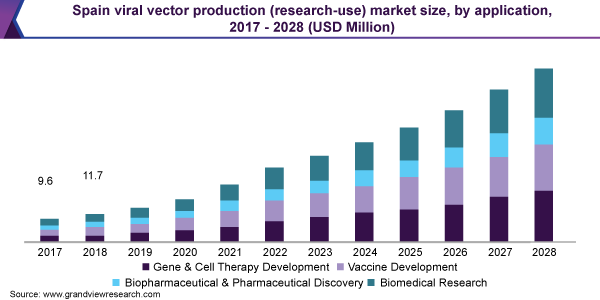
The global viral vector production (research-use) market size was valued at USD 993.0 million in 2020 and is expected to expand at a compound annual growth rate (CAGR) of 18.8% from 2021 to 2028. Rapid and extensive R&D in the advanced therapy arena has resulted in the growing employment of viral vectors in research settings. Also, the ongoing COVID-19 pandemic has encouraged investment in this space for vaccine development against SARS-CoV-2, thereby driving the market for viral vector production (research-use).

Spain viral vector production (research-use) market size, by application, 2017 - 2028 (USD Million)

Viral vectors were being studied extensively by research communities well before the COVID-19 pandemic. This is because of their proven efficiency and successful application in gene and cell therapies. With the COVID-19 outbreak, applications of viral vectors were repurposed to manufacture vaccines. Moreover, the technology and platform developers are making significant attempts to simplify the production process, thereby addressing the process and scale-related challenges associated with viral vector manufacturing.

Gather more insights about the market drivers, restraints and growth of the Global Viral Vector Production (Research-use) Market

According to the U.S. FDA estimates, approval of 10 to 20 gene and cell therapy products is expected annually. This indicates the expansion of pipeline and R&D programs for advanced therapy products by key market entities. This is anticipated to spur demand for viral vectors by therapy developers and researchers. However, the currently available capacity is a major concern faced by the researchers.

Several manufacturers have invested a significant amount to expand their manufacturing capabilities to address the supply bottleneck in the space. For instance, on 12th February 2021, CDMO Vigene Biosciences signed a lease agreement for a new facility in Maryland to enhance its viral vector capacity by 50.0%. Similarly, Vibalogics has also initiated Phase I of its planned USD 150 million investment for capacity expansion. Such initiatives are anticipated to propel the growth of the market for viral vector production (research-use) in the coming years.

Furthermore, expensive and highly regulated processes have slowed down the vector production for large-scale clinical trials. The high cost of advanced therapies and technological challenges pertaining to financial sustainability is anticipated to hamper the manufacturing services. Despite several challenges, the market for viral vector production (research-use) is constantly growing owing to improved clinical outcomes and favorable regulatory bodies, thus witnessing considerable growth throughout the forecast period.

Browse through Grand View Research's Healthcare Industry Related Reports

Viral Vectors And Plasmid DNA Manufacturing Market - The global viral vectors and plasmid DNA manufacturing market size was valued at USD 2.87 billion in 2021 and is expected to expand at a compound annual growth rate (CAGR) of 14.71% from 2022 to 2030.

Gene Therapy Market - The global gene therapy market size was valued at USD 2.26 billion in 2020 and is expected to grow at a compound annual growth rate (CAGR) of 20.4% from 2021 to 2028.

Viral Vector Production (Research-use) Industry Segmentation

Grand View Research has segmented the global viral vector production (research-use) market on the basis of vector type, application, workflow, end-use, and region:

Viral Vector Production (Research-use) Vector Type Outlook (Revenue, USD Million, 2017 - 2028)

  • Adeno-associated virus (AAV)
  • Lentivirus
  • Adenovirus
  • Retrovirus
  • Others

Viral Vector Production (Research-use) Application Outlook (Revenue, USD Million, 2017 - 2028)

  • Cell & Gene Therapy Development
  • Vaccine Development
  • Biopharmaceutical and Pharmaceutical Discovery
  • Biomedical Research

Viral Vector Production (Research-use) Workflow Outlook (Revenue, USD Million, 2017 - 2028)

  • Upstream Processing
  • Downstream Processing

Viral Vector Production (Research-use) End-use Outlook (Revenue, USD Million, 2017 - 2028)

  • Pharmaceutical and Biopharmaceutical Companies
  • Research Institutes

Viral Vector Production (Research-use) Regional Outlook (Revenue, USD Million, 2017 - 2028)

  • North America
  • Europe
  • Asia Pacific
  • Latin America
  • MEA (Middle East & Africa)

Market Share Insights:

January 2021: FUJIFILM Corporation invested USD 40 million to advance viral vector manufacturing capabilities.

Key Companies profiled:

Some prominent players in the global Viral Vector Production (Research-use) Industry include

  • Merck KGaA
  • Lonza
  • FUJIFILM Diosynth Biotechnologies U.S.A., Inc.
  • Cobra Biologics Ltd.
  • Thermo Fisher Scientific
  • Waisman Biomanufacturing
  • Genezen

Order a free sample PDF of the Viral Vector Production (Research-use) Market Intelligence Study, published by Grand View Research.

Rapid Technological Advancements to Play Major Role in Laparoscopic Power Morcellators Market Growth

Laparoscopic Power Morcellators Industry Overview

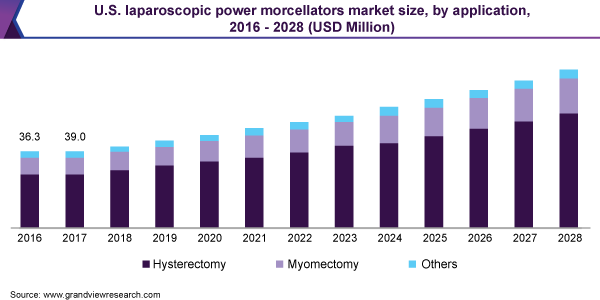
The global laparoscopic power morcellators market size was valued at USD 107.3 million in 2020 and is expected to expand at a compound annual growth rate (CAGR) of 7.4% from 2021 to 2028. The increasing prevalence of uterine fibroids among women globally, the rise in preference for minimally invasive gynecological procedures, as well as technological advancements in surgical devices are the major factors expected to drive the market. Power morcellators are less invasive devices that are utilized during procedures such as fibroid removal or hysterectomy, for cutting tissues into smaller pieces.

U.S. laparoscopic power morcellators market size, by application, 2016 - 2028 (USD Million)

The market for laparoscopic power morcellators has been moderately impacted by COVID-19 owing to delay or cancellation of numerous elective surgeries, including hysterectomy/myomectomy, as many hospitals closed outpatient facilities in order to limit the spread of the disease and prioritize the treatment of COVID-19 patients. This in turn has limited the usage of surgical devices in hospitals for a short period. However, the European Society for Gynecological Endoscopy and the American Association of Gynecologic Laparoscopists have issued guidelines to continue performing minimally/non-invasive surgery in case of emergency. As the restrictions on easing elective procedures are being resolved in most countries, it is expected that the market for laparoscopic power morcellators will not only experience impetus during the forecast period but will also continue to witness a substantial growth rate after the end of the pandemic.

Gather more insights about the market drivers, restraints and growth of the Global Laparoscopic Power Morcellators Market

Prevalence of uterine fibroids in women is on the rise globally, and these can lead to abnormal uterine bleeding, amenorrhea, dysmenorrhea (painful and heavy menstrual periods), and pelvic or abdominal pressure. It is estimated that not all women with uterine fibroids have symptoms and around 50 to 75% of cases remain asymptomatic and often remain undiagnosed. Thus, it is estimated that around 77% of women of childbearing age could have uterine fibroids. According to an NCBI study report, in the U.S., around 30,000 myomectomies are performed annually for leiomyomata (fibroids). The prevalence of uterine fibroids increases as women age and may occur in over 30% of women aged between 40 to 60 years. Furthermore, according to the U.S. National Institutes of Health, in 2017 an estimated 793,846 women were diagnosed with uterine cancer. The rate of new cases of uterine cancer was 27.8 per 100,000 females per year. This supports the growth of uterine fibroid treatment. Thus, the rising prevalence of uterine fibroids is increasing the demand for myomectomy or hysterectomy procedures worldwide, thereby boosting the growth of the market for laparoscopic power morcellators over the forecast period.

Additionally, minimally invasive and non-invasive surgeries are gaining popularity these days owing to the reduced risk associated with such procedures. Smaller cuts minimize postoperative pain and facilitate speedy recovery leading to high adoption of these procedures. Nowadays, surgeons are performing single-port laparoscopic and robotic myomectomies/hysterectomies to remove larger fibroids. These can be removed through minor incisions by breaking them into pieces called morcellation with the help of laparoscopic power morcellators. Thus, the risks of blood loss and infection are lower with minimally invasive procedures when compared to open abdomen surgeries. Such procedures also allow shorter hospital stays and the patient can get back to work and perform normal activities within a short span. Therefore, advantages such as these are cumulatively responsible to fuel the demand for minimally invasive surgeries, thereby driving the market for laparoscopic power morcellators.

Browse through Grand View Research's Healthcare Industry Related Reports

Myomectomy Market - The global myomectomy market size was valued at USD 555.1 million in 2019 and is expected to grow at a compound annual growth rate (CAGR) of 9.1% from 2020 to 2027.

Medical Tourism Market - The global medical tourism market size was valued at USD 4.0 billion in 2021 and is expected to expand at a compound annual growth rate (CAGR) of 32.51% from 2022 to 2030.

Laparoscopic Power Morcellators Industry Segmentation

Grand View Research has segmented the global laparoscopic power morcellators market on the basis of application and region:

Laparoscopic Power Morcellators Application Outlook (Revenue, USD Million, 2016 - 2028)

  • Hysterectomy
  • Myomectomy
  • Others

Laparoscopic Power Morcellators Regional Outlook (Revenue, USD Million, 2016 - 2028)

  • North America
  • Europe
  • Asia Pacific
  • Central & South America
  • MEA (Middle East & Africa)

Market Share Insights:

October 2019: Ethicon, Inc., and Olympus Corporation have signed an agreement in which Olympus will acquire all new business activities from Ethicon related to the Versapoint Electrosurgery system.

Key Companies profiled:

Some prominent players in the global Laparoscopic Power Morcellators Industry include

  • Medtronic
  • Karl Storz GmbH
  • Richard Wolf GmbH
  • LiNA Medical
  • Lumenis (Boston Scientific Corporation)
  • Nouvag AG
  • Olympus Corporation
  • RUDOLF Medical GmbH

Order a free sample PDF of the Laparoscopic Power Morcellators Market Intelligence Study, published by Grand View Research.

Feeding the Blue Revolution: The Aquafeed Market Takes Center Stage

As wild catches level off, farmed seafood is filling the gap, and every farmed fish and shrimp depends on feed. That makes aquafeed one of t...