Clinical Trials Support Services Market Review by Service and Sponsor Mix

The global clinical trials support services market was valued at USD 23,881.4 million in 2024 and is expected to reach USD 37,161.2 million by 2030, registering a CAGR of 7.7% from 2025 to 2030. Growth is driven by increasing demand for clinical trials in emerging economies, rising R&D investments, and the expanding presence of contract research organizations (CROs).
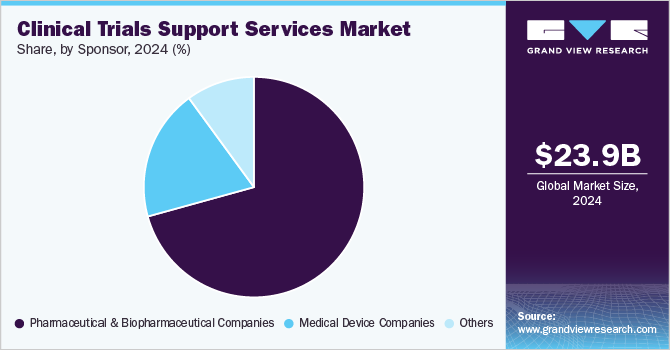
Pharmaceutical companies continue to escalate their R&D expenditures, largely due to ongoing patent expirations. While a standard patent lasts 20 years, pharmaceutical patents typically allow generic entry after 10 years, prompting companies to accelerate drug development pipelines. This increasing focus on innovation is contributing significantly to market expansion.

Clinical trials support services play a critical role in drug development, offering solutions such as assay design, clinical testing, site optimization, investigational drug storage, dosage calculation, and kit management. These services also include preclinical preparation, site assistance, drug blinding, patient recruitment, coordination activities, and returned-medication reconciliation.

Key Market Trends & Insights

  • North America led the global market in 2024 with a 48.80% share.
  • The U.S. represented the largest share within the North American market.
  • Phase III trials accounted for the largest share by phase, representing 54.43% of total revenue.
  • By service type, clinical trial site management dominated with a 45.73% share in 2024.
  • By sponsor, pharmaceutical & biopharmaceutical companies led the market with 70.80% of total revenue.

Download a free sample PDF of the Clinical Trials Support Services Market Intelligence Study by Grand View Research.

Market Size & Forecast

  • 2024 Market Size: USD 23,881.4 Million
  • 2030 Market Size Projection: USD 37,161.2 Million
  • CAGR (2025–2030): 7.7%
  • Leading Region (2024): North America

Competitive Landscape

Leading market players are engaging in expansions, acquisitions, partnerships, and technology-driven initiatives to reinforce their market position.

  • January 2024: IQVIA launched One Home for Sites, a unified technology platform providing clinical research sites with a centralized dashboard to manage all trial activities.

Prominent Companies

  • Charles River Laboratories International, Inc.
  • Wuxi Apptec, Inc.
  • IQVIA Holdings, Inc.
  • Syneos Health, Inc.
  • Eurofins Scientific
  • PPD, Inc. (Pharmaceutical Product Development)
  • ICON plc
  • Laboratory Corporation of America Holdings (Labcorp)
  • Alcura
  • Parexel International Corporation

Recent Developments

  • July 2024: DocMode Health Technologies launched new clinical research services aimed at offering end-to-end solutions including trial management, regulatory compliance, and data analytics. These services are positioned to help pharmaceutical companies, healthcare institutions, and researchers streamline and enhance clinical study execution.

Explore Horizon Databook – the world’s most comprehensive market intelligence platform by Grand View Research.

Conclusion

The clinical trials support services market is on a strong upward trajectory, propelled by rising R&D investments, increased outsourcing to CROs, and advancements in clinical research technologies. With expanding trial activity worldwide and continued innovation by key players, the market is expected to witness robust growth through 2030.
Level Sensor Market Insights by Technology Type and Global Regions

The global level sensor market was valued at USD 4.81 billion in 2022 and is projected to reach USD 8.37 billion by 2030, growing at a CAGR of 7.3% from 2023 to 2030. Level sensors are widely used to measure the level of liquids and fluidized solids—including powders, slurries, and granular materials—across a variety of industrial applications.

Market growth is driven by the rising demand for intelligent, microprocessor-equipped instruments that provide real-time performance insights. These sensors offer high accuracy, efficient operation, easy installation, and low maintenance, which are contributing to their increasing adoption. Additionally, the expanding use of smart multiphase sensors in the oil & gas and food & water industries is further accelerating market expansion.

Broader availability—enabled by a large supplier base, shrinking sensor size, and the growing use of multipurpose level sensors in automotive and industrial sectors—supports market penetration. However, rising adoption of thin-film technologies and intensifying competition among vendors may pose challenges to market growth over the forecast period.

Key Market Trends & Insights

  • North America led the market in 2022, accounting for 33.8% of global revenue.
  • By technology, the non-contact type segment dominated with 52.1% share in 2022.
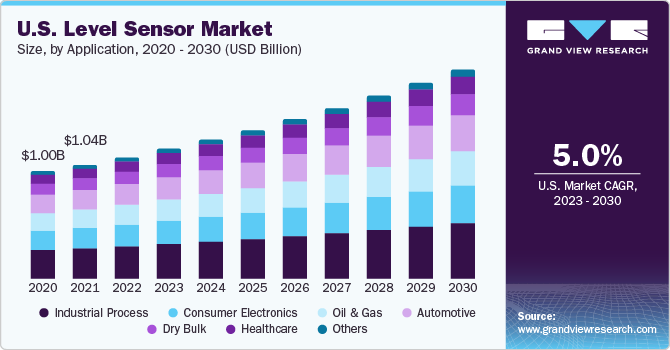
  • By application, the industrial process segment was the largest, representing 26.6% of the 2022 market.

Download a free sample PDF of the Level Sensor Market Intelligence Study by Grand View Research.

Market Size & Forecast

  • 2022 Market Size: USD 4.81 Billion
  • 2030 Forecast: USD 8.37 Billion
  • CAGR (2023–2030): 7.3%
  • Largest Region (2022): North America
  • Fastest-Growing Region: Asia Pacific

Competitive Landscape

Leading manufacturers are actively pursuing inorganic growth strategies, including mergers and acquisitions, to expand their product portfolios and strengthen market presence.

Prominent Companies

  • ABB
  • AMETEK, Inc.
  • Garner Industries, Inc.
  • Bindicator
  • Emerson Electric Co.
  • Electro-Sensors, Inc.
  • Endress+Hauser Group Services AG
  • Gems Sensors, Inc.

Recent Developments

  • June 2023: Endress+Hauser introduced an improved version of its Micropilot 80 GHz radar sensors, designed for challenging measurement sites, dusty environments, and extreme process temperatures.
  • December 2022: OMEGA Engineering Inc. launched a new HANI Clamp Sensor designed specifically for plastic pipe applications, expanding its portfolio of innovative temperature measurement solutions.

Explore Horizon Databook – the world’s most comprehensive market intelligence platform by Grand View Research.

Conclusion

The level sensor market is poised for steady growth, supported by advancements in smart sensing technologies, expanding industrial applications, and rising demand for automation and real-time monitoring across diverse sectors.

Lead Acid Battery Market Outlook by Flooded VRLA Construction Methods

The global lead acid battery market was valued at USD 74,760.0 million in 2023 and is projected to reach USD 100,271.1 million by 2030, growing at a CAGR of 4.3% from 2024 to 2030. Market growth is supported by the widespread use of lead acid batteries in automobiles, Uninterruptible Power Supply (UPS) systems, and ongoing advancements in manufacturing technologies.

Demand is also rising due to increased reliance on off-grid power generation, along with continued expansion within the transportation industry and greater emphasis on energy storage applications. Furthermore, growing UPS adoption across banking, oil & gas, healthcare, and chemical sectors is expected to further drive industry expansion.

Key Market Trends & Insights

  • Asia Pacific dominated the market in 2023, accounting for 36.56% of global revenue.
  • By product, SLI batteries were the largest segment with 53.12% share in 2023.
  • By construction, the flooded lead acid battery category led the market with a 66.24% share in 2023.
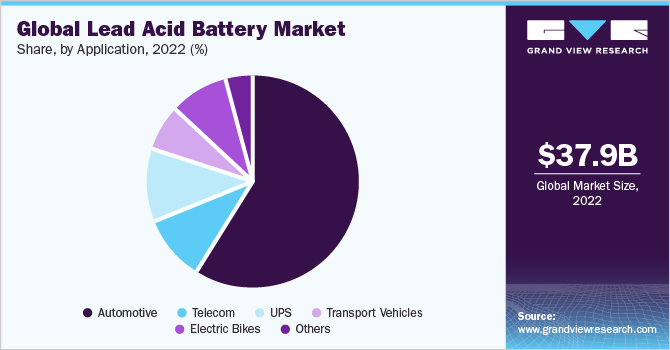
  • By application, the automotive segment was the largest, representing 58.57% of the 2023 market.

Download a free sample PDF of the Lead Acid Battery Market Intelligence Study by Grand View Research.

Market Size & Forecast

  • 2023 Market Size: USD 74,760.0 Million
  • 2030 Forecast: USD 100,271.1 Million
  • CAGR (2024–2030): 4.3%
  • Largest Regional Market (2023): Asia Pacific

Competitive Landscape

The market is highly fragmented, with numerous manufacturers operating across the U.S., China, and Japan. Companies are focusing on mergers, acquisitions, and joint ventures to strengthen their market presence and expand product portfolios. Competition remains intense, driven by continuous product innovation and sustained investments in R&D to improve battery performance, durability, and efficiency.

Prominent Companies

  • East Penn Manufacturing Co.
  • Exide Technologies
  • Johnson Controls
  • ATLASBX Co. Ltd.
  • NorthStar
  • C&D Technologies, Inc.
  • Narada Power Source Co., Ltd.

Explore Horizon Databook – the world’s most comprehensive market intelligence platform by Grand View Research.

Conclusion

Steady demand from automotive, industrial, and backup power applications—combined with advancements in manufacturing and growing energy storage needs—is expected to sustain solid growth in the lead acid battery market through 2030.

Laboratory Informatics Market Outlook by Product Delivery Mode and End-use

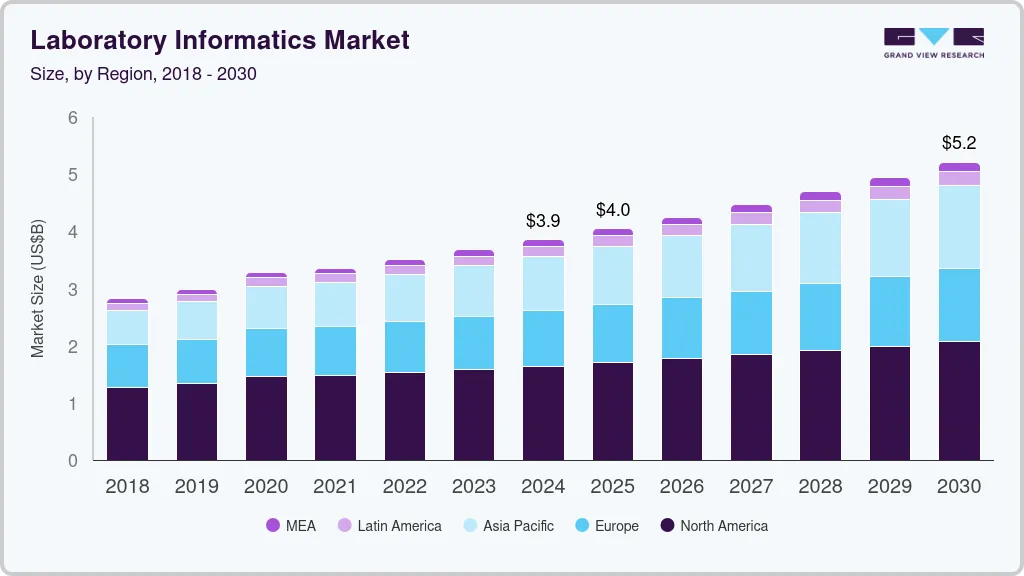
The global laboratory informatics market was valued at USD 3.9 billion in 2024 and is projected to reach USD 5.21 billion by 2030, expanding at a CAGR of 5.17% from 2025 to 2030. Market expansion is driven by the accelerating demand for laboratory automation, supported by rapid advancements in molecular genomics, genetic testing, and personalized medicine.

The growing focus on cancer genomics, greater patient involvement in the healthcare process, and rising adoption of cloud-based systems are among the major contributors to market growth. Cloud-native laboratory informatics platforms—supported by user-friendly interfaces and increasing startup activity—are becoming standard in research environments. Additionally, the integration of cloud, mobile, and voice-enabled technologies within laboratories is further strengthening demand for modern lab informatics solutions.

Key Market Trends & Insights

  • North America led the market in 2024 with a 42.55% share.
  • The U.S. represented the largest national market in 2024.
  • By product, Laboratory Information Management Systems (LIMS) dominated with 50.40% share in 2024.
  • By component, the services segment accounted for 56.60% of total revenue in 2024.
  • By delivery mode, the web-based segment held 42.91% of the market in 2024.
  • By end-use, life science companies led with a 28.90% share in 2024.

Download a free sample PDF of the Laboratory Informatics Market Intelligence Study by Grand View Research.

Market Size & Forecast

  • 2024 Market Size: USD 3.9 Billion
  • 2030 Forecast: USD 5.21 Billion
  • CAGR (2025–2030): 5.17%
  • Largest Market (2024): North America
  • Fastest-Growing Region: Asia Pacific

Competitive Landscape

The laboratory informatics market is highly fragmented, comprising a mix of established companies and emerging startups. Competition is particularly strong among smaller players striving to strengthen their market position. Vendors are focusing on developing technologically advanced platforms—particularly SaaS-based solutions and high-utility, specialized tools—to differentiate themselves.

A growing cohort of innovative companies, including Artificial, Benchling, Synthace, and others, is reshaping the competitive landscape through cloud-native and automation-focused solutions.

Prominent Companies

  • Abbott
  • Agilent Technologies, Inc.
  • IDBS
  • LabLynx, Inc.
  • LabVantage Solutions, Inc.
  • LabWare
  • McKesson Corporation
  • PerkinElmer, Inc.
  • Thermo Fisher Scientific, Inc.
  • Waters

Recent Developments

  • February 2024: LabVantage Solutions, Inc. introduced an integrated, digitally native ecosystem combining advanced analytics, semantic search (AILANI), and purpose-built LIMS solutions to support R&D workflows. The ecosystem is designed to enhance productivity, decision-making, collaboration, and operational efficiency.
  • November 2023: Thermo Fisher Scientific Inc. entered a strategic partnership with Flagship Pioneering to accelerate development of multiproduct bioplatforms, establish new platform companies focused on advanced biotech tools, and expand their life science tools and diagnostics capabilities.
  • September 2023: LabWare expanded its global presence by opening a new office in Wageningen, The Netherlands, extending its footprint across six continents with a network of more than 40 offices.

Explore Horizon Databook – the world’s most comprehensive market intelligence platform by Grand View Research.

Conclusion

Growing technological innovation, rising demand for automated laboratory workflows, and the widespread shift toward cloud-based solutions are expected to sustain steady growth in the laboratory informatics market through 2030. The sector continues to evolve rapidly, driven by advances in genomics, personalized medicine, and digital transformation across research and clinical environments.

Industry 4.0 Market Trends by Technology and Hardware Software Mix

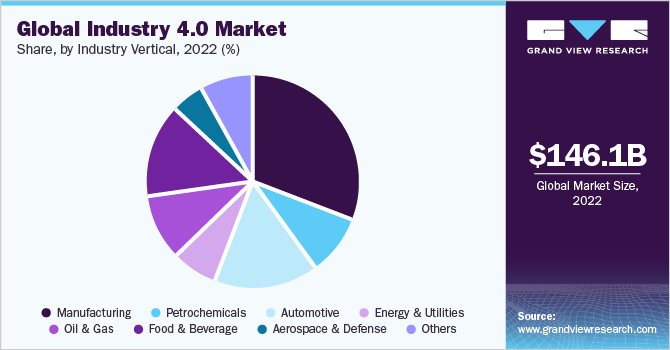
The global Industry 4.0 market was valued at USD 146.14 billion in 2022 and is expected to reach USD 627.59 billion by 2030, expanding at a CAGR of 19.9% from 2023 to 2030. Market growth is primarily driven by the rising deployment of automated tools and equipment across factories, warehouses, and manufacturing facilities; increasing investments in additive manufacturing; and strong global digitalization trends.

The adoption of advanced digital technologies—including Machine Learning (ML), Artificial Intelligence (AI), Internet of Things (IoT), 5G networks, and cloud-based platforms—continues to reshape the industrial landscape. These technologies are collectively creating new, lucrative opportunities by transforming production processes, enhancing efficiency, and enabling smarter decision-making.

Industries are also facing heightened regulatory pressures related to product safety, quality standards, environmental sustainability, and data protection. Industry 4.0 solutions support compliance through real-time monitoring, traceability, and automated quality control. End-use compliance requirements are typically divided into process and product compliance. By digitizing production, organizations can streamline engineering updates, improve risk assessment, boost process visibility, and quickly access critical data. As a result, the pursuit of compliance for competitive advantage is becoming a major catalyst for market expansion.

Key Market Trends & Insights

  • Asia Pacific led the market in 2022, accounting for over 35% of global revenue.
  • The Middle East & Africa region is poised for rapid expansion, with a projected CAGR exceeding 21% through 2030.
  • By component, the hardware segment held approximately 50% of the market in 2022.
  • By technology, the Industrial Internet of Things (IIoT) segment accounted for more than 27% of the 2022 market share.
  • By industry vertical, manufacturing dominated with around 31% of the market in 2022.

Download a free sample PDF of the Industry 4.0 Market Intelligence Study by Grand View Research.

Market Size & Forecast

  • 2022 Market Size: USD 146.14 billion
  • 2030 Forecast: USD 627.59 billion
  • CAGR (2023–2030): 19.9%
  • Largest Regional Market (2022): Asia Pacific

Competitive Landscape

The Industry 4.0 ecosystem is driven by a mix of technology innovators, automation solution providers, research institutions, hardware manufacturers, and software developers. These organizations collaborate to deliver integrated solutions that optimize production efficiency, strengthen predictive maintenance, and enable real-time data-driven insights.

Regulatory and standardization bodies also influence the market by establishing frameworks that guide industrial digital transformation.

A notable example includes Denso Corporation’s acquisition of Certhon Group in August 2023, aimed at accelerating efforts to address global food challenges by combining both companies’ technological competencies and previous collaborative outcomes.

Prominent Companies

  • ABB Ltd.
  • Cisco Systems Inc.
  • Cognex Corporation
  • Denso Corporation
  • Emerson Electric
  • Fanuc Corporation
  • General Electric Company
  • Honeywell International Inc.
  • Intel Corporation

Explore Horizon Databook – the world’s most comprehensive market intelligence platform by Grand View Research.

Conclusion

Industry 4.0 continues to revolutionize global manufacturing and industrial operations. As organizations prioritize automation, digital transformation, and regulatory compliance, the market is expected to witness robust growth supported by rapid technological advancements and expanding adoption across diverse industries.

Kaolin Market Hydrous Grade Segment Shows Strong Demand

The global kaolin market was valued at USD 3.9 billion in 2023 and is expected to reach USD 5.22 billion by 2030, registering a CAGR of 4.0% from 2024 to 2030. Market growth is primarily driven by rising investments in the construction and infrastructure sectors, which are fueling demand for paints & coatings, ceramic-based products, and cement.

The global construction industry is projected to experience substantial growth due to increasing adoption of green building practices. This trend presents significant opportunities for kaolin suppliers. According to a World Bank IFC report, green construction is expected to generate investment opportunities worth USD 1.5 trillion across emerging markets.

Growing demand for paints—largely tied to construction spending—has prompted companies to pursue strategic initiatives such as mergers and acquisitions. For example, in November 2021, GDB International, Inc., a producer of paints and coatings, acquired a manufacturing plant in Illinois, U.S., with an annual production capacity of 5 million gallons, enabling the manufacture of both water- and solvent-based paints.

Key Market Trends & Insights

  • Asia Pacific accounted for more than 47.0% of global revenue in 2023, making it the largest regional market.
  • By grade, the hydrous kaolin segment held the highest revenue share in 2023.
  • By application, the paper segment dominated the market, capturing nearly 37.0% of total revenue in 2023.

Download a free sample PDF of the Kaolin Market Intelligence Study by Grand View Research.

Market Size & Forecast

  • 2023 Market Size: USD 3.9 Billion
  • 2030 Projected Market Size: USD 5.22 Billion
  • CAGR (2024–2030): 4.0%
  • Leading Region: Asia Pacific

Competitive Landscape

The global kaolin market features a mix of large-scale and mid-sized manufacturers, supported by strong end-use industries across regions. Competition is primarily based on product quality, pricing, and customer-specific formulations. The U.S., China, India, and several other Asia Pacific countries remain key exporters in the global kaolin trade.

To strengthen market presence, manufacturers employ strategies such as product innovation, capacity expansion, acquisitions, and geographic diversification. For instance, in March 2022, Thiele Kaolin Company acquired the U.S. kaolin assets of Imerys, enhancing its ability to deliver customized and value-added mineral solutions to clients.

Prominent Companies

  • BASF SE
  • EICL Ltd
  • Imerys S.A.
  • I-Minerals Inc.
  • KaMin LLC
  • LB Minerals Ltd.
  • Maoming Xingli Kaolin Co. Ltd.
  • Quazwerke GmbH
  • Sibelco
  • Thiele Kaolin Company

Explore Horizon Databook – the world’s most comprehensive market intelligence platform by Grand View Research.

Conclusion

The kaolin market is set for steady expansion through 2030, supported by rising construction activity, growing demand for sustainable building practices, and the expanding use of kaolin in applications such as paper, ceramics, and paints & coatings. As manufacturers continue to invest in product development and strategic acquisitions, the market is expected to strengthen its global footprint and capitalize on emerging opportunities in high-growth regions.

In-vitro Toxicology Testing Market High Throughput Technology Expands

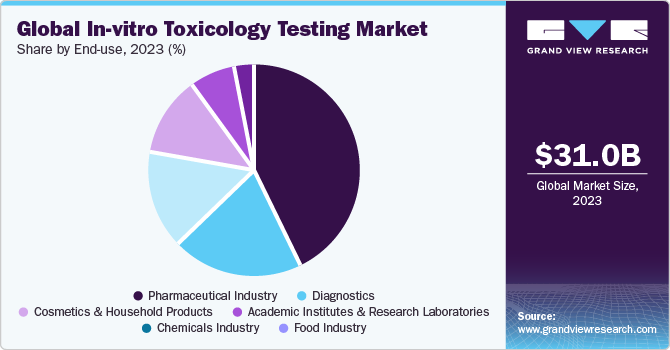
The global in-vitro toxicology testing market was valued at USD 31,029.0 million in 2023 and is projected to reach USD 64,815.2 million by 2030, expanding at a CAGR of 11.1% from 2024 to 2030. Market growth is driven by continuous advancements in toxicology research, the development of innovative testing technologies, and increasing emphasis on personalized medicine.

Growing awareness of the limitations associated with traditional toxicology screening—particularly animal-based methods—has accelerated the adoption of in-vitro approaches due to their improved efficiency, predictive accuracy, and ethical advantages.

Key Market Trends & Insights

  • North America held the largest market share in 2023, accounting for 47.73% of global revenue.
  • Cellular assays represented the largest share by method and are expected to maintain strong growth throughout the forecast period.
  • By product, the consumables segment dominated the market in 2023 and is anticipated to record the fastest CAGR through 2030.
  • In terms of end use, the pharmaceutical industry led the market in 2023.

Download a free sample PDF of the In-vitro Toxicology Testing Market Intelligence Study by Grand View Research.

Market Size & Forecast

  • 2023 Market Size: USD 31,029.0 Million
  • 2030 Forecast: USD 64,815.2 Million
  • CAGR (2024–2030): 11.1%
  • Regional Leader: North America

Competitive Landscape

Leading market participants include Charles River Laboratories International, Inc., SGS S.A., Merck KGaA, Eurofins Scientific, and Abbott Laboratories. These companies are expanding service portfolios, strengthening technological capabilities, and pursuing strategic collaborations to increase market presence. With rising demand for reliable, scalable, and cost-effective toxicology solutions, major players continue to invest heavily in R&D to meet evolving industry requirements.

Emerging companies such as InSphero and MatTek Corporation are gaining traction through advanced technologies, including 3D cell culture systems and organ-on-a-chip platforms. Their innovations aim to deliver more predictive testing models and accelerate the transition away from traditional animal-based toxicology methods.

Prominent Companies

  • Charles River Laboratories International, Inc.
  • SGS S.A.
  • Merck KGaA
  • Eurofins Scientific
  • Abbott Laboratories
  • Laboratory Corporation of America Holdings
  • Evotec S.E.
  • Thermo Fisher Scientific, Inc.
  • Quest Diagnostics Incorporated
  • Agilent Technologies, Inc.

Explore Horizon Databook – the world’s most comprehensive market intelligence platform by Grand View Research.

Conclusion

The in-vitro toxicology testing market is set for robust expansion through 2030, driven by technological advancements, growing recognition of the limitations of traditional toxicology methods, and rising adoption of personalized medicine. As demand increases for accurate, ethical, and cost-efficient testing solutions, the industry continues to shift toward innovative in-vitro platforms such as 3D cell cultures and organ-on-a-chip systems. With strong contributions from established leaders and emerging innovators, the market is expected to maintain its rapid growth trajectory, solidifying its role as a critical component of safer, more efficient drug development and chemical safety assessment.

Insulin Delivery Devices Market Disposable Pens See Rapid Adoption

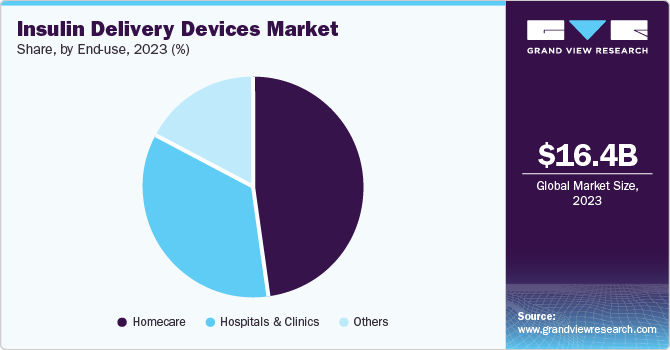
The global insulin delivery devices market was valued at USD 16.42 billion in 2023 and is projected to reach USD 28.06 billion by 2030, registering a CAGR of 7.89% from 2024 to 2030. Market growth is primarily driven by the rising global prevalence of diabetes, which is increasing the need for advanced, convenient, and patient-centric diabetes management solutions. Technological advancements also play a significant role, with device innovations focusing on improving effectiveness, reducing invasiveness, and enhancing personalization for users.

The expanding geriatric population further supports market growth. Insulin delivery devices—including insulin pens, pumps, and smart insulin systems—are increasingly tailored to older adults, addressing challenges related to declining vision, reduced motor skills, and cognitive limitations. Their ease of use, dosing accuracy, and integration with digital health platforms enable better treatment adherence, improved glycemic control, and reduced complication risks. As diabetes continues to rise among older adults worldwide, this demographic presents substantial growth opportunities. Manufacturers are incorporating geriatric-friendly features such as larger displays, simplified interfaces, and minimized manual dexterity requirements, contributing significantly to wider adoption and reinforcing the importance of these devices in elderly diabetes care.

Key Market Trends & Insights

  • North America accounted for the largest market share at 40.73% in 2023.
  • The U.S. led the North American market in 2023.
  • By product, insulin pens held the largest share at 43.68% in 2023.
  • By end use, the hospitals and clinics segment is expected to record the fastest CAGR of 8.42% during the forecast period.

Download a free sample PDF of the Insulin Delivery Devices Market Intelligence Study by Grand View Research.

Market Size & Forecast

  • 2023 Market Size: USD 16.42 Billion
  • 2030 Projected Market Size: USD 28.06 Billion
  • CAGR (2024–2030): 7.89%
  • Leading Region (2023): North America

Competitive Landscape

The insulin delivery devices market is dynamic and rapidly evolving, driven by the growing global diabetic population and the demand for efficient, user-friendly insulin administration solutions. The landscape is highly competitive, with both established companies and emerging innovators expanding product portfolios to meet varied patient needs. Market leadership is influenced by product innovation, device accessibility, ease of use, and insurance coverage. Major players—including Novo Nordisk, Sanofi, and Eli Lilly—dominate due to their broad offerings and strong global presence. Meanwhile, smaller companies and startups are gaining traction with specialized products such as wearable insulin devices and smart insulin pens, intensifying competition within the space.

Prominent Companies

  • Novo Nordisk A/S
  • Sanofi
  • Eli Lilly and Company
  • Ypsomed AG
  • Medtronic
  • Insulet Corporation
  • B. Braun SE
  • Owen Mumford Ltd.
  • Tandem Diabetes Care, Inc.
  • BD (Becton, Dickinson and Company)

Explore Horizon Databook – the world’s most comprehensive market intelligence platform by Grand View Research.

Conclusion

The insulin delivery devices market is poised for strong growth through 2030, driven by rising diabetes prevalence, continuous technological innovation, and increasing adoption among the expanding geriatric population. As manufacturers focus on developing smarter, more intuitive, and user-friendly devices, market competitiveness will intensify, offering patients improved options for effective diabetes management. With North America leading the market and emerging technologies reshaping patient care, the sector is expected to remain a critical component of global healthcare advancements.

In-flight Entertainment and Connectivity Market IFC Segment Expands Rapidly

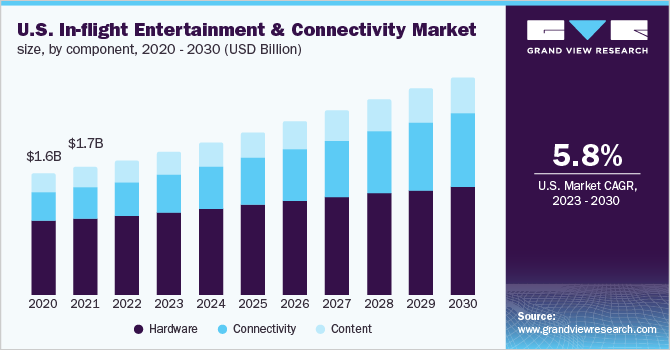
The global in-flight entertainment and connectivity market was valued at USD 5.96 billion in 2022 and is projected to reach USD 11.79 billion by 2030, expanding at a CAGR of 8.4% from 2023 to 2030. Rapid technological advancements—particularly in wireless connectivity—are enabling passengers to use personal electronic devices onboard more seamlessly, significantly accelerating IFEC adoption across airlines.

Growing passenger expectations for high-speed, reliable, and bug-free connectivity remain a major driver of market growth. Modern IFEC systems play a crucial role in delivering onboard wireless services, enhancing the overall travel experience by offering passengers uninterrupted access to internet-based applications.

Social media usage continues to rise globally, with travelers spending more time online during flights. In response, airlines are modernizing their digital ecosystems and investing in personalized, flexible IFEC solutions that align with their commercial and brand objectives. These systems support tailored marketing strategies and enhance customer engagement. For example, Southwest Airlines partnered with Anuvu to provide inflight connectivity services that support live TV, WhatsApp, in-flight payments, and other digital interactions.

Key Market Trends & Insights

  • North America dominated the market in 2022 with a 38.20% share.
  • By component, hardware accounted for 58.65% of revenue in 2022.
  • By aircraft type, the NBA (Narrow-Body Aircraft) segment held 52.70% of total revenue in 2022.
  • By offering type, the IFE (In-flight Entertainment) segment represented 68.40% of revenue in 2022.

Download a free sample PDF of the In-flight Entertainment and Connectivity Market Intelligence Study by Grand View Research.

Market Size & Forecast

  • 2022 Market Size: USD 5.96 Billion
  • 2030 Projected Market Size: USD 11.79 Billion
  • CAGR (2023–2030): 8.4%
  • Largest Market (2022): North America
  • Fastest-Growing Region: Asia Pacific

Competitive Landscape

Competition within the IFEC industry remains intense, as key players work to meet diverse airline requirements while enhancing passenger engagement and enabling new revenue opportunities. Market participants are focused on delivering advanced technologies, robust connectivity solutions, and flexible system architectures.

Notable industry innovation includes Panasonic’s eXO IFE/wIFE hybrid solution, which provides airlines with the flexibility to configure aircraft for wired IFE, wireless IFE, embedded IFE, or a combination of all three. Such adaptable systems enable carriers to upgrade legacy equipment with ease.

Companies like ViaSat Inc. and Gogo LLC are offering high-speed Wi-Fi plans tailored to short-haul and long-haul flights, further boosting customer demand for seamless wireless IFE experiences.

Prominent Companies

  • BAE Systems
  • Cobham plc
  • Collins Aerospace
  • Eutelsat Communications
  • Global Eagle Entertainment Inc.
  • Gogo LLC
  • Honeywell International Inc.
  • Inmarsat plc
  • Iridium Communications Inc.

Explore Horizon Databook – the world’s most comprehensive market intelligence platform by Grand View Research.

Conclusion

The in-flight entertainment and connectivity market is poised for sustained growth as airlines increasingly prioritize digital transformation and enhanced passenger experience. Technological advancements—especially in high-speed wireless connectivity—are reshaping onboard services, driving demand for modern, flexible IFEC solutions. As leading players continue to innovate and deliver next-generation technologies, the market will benefit from improved service quality, expanded revenue opportunities, and stronger customer loyalty across global aviation networks.

Cervical Cancer Screening, Diagnostics, and Lesion Treatment Market Insights 2025-2035

The global cervical cancer screening, diagnostics, and pre-cancerous dysplasia lesion treatment market was valued at USD 8,437.04 million in 2024 and is projected to reach USD 15,675.04 million by 2035, growing at a CAGR of 5.90% from 2025 to 2035. Market growth is driven by rapid advancements in screening technologies, increased adoption of artificial intelligence (AI), and the expansion of patient-centric screening programs aimed at improving early detection and treatment outcomes.

AI is transforming cervical cancer screening by enhancing accuracy, speed, and scalability across clinical workflows. Deep-learning–based algorithms are increasingly integrated into diagnostic systems to automatically identify early-stage cellular abnormalities with high precision. By analyzing extensive datasets of Pap smear and cytology images, AI tools help reduce the risk of missed pre-cancerous lesions and support better decision-making, ultimately improving patient outcomes and enabling more efficient screening programs.

Key Market Trends & Insights

  • North America dominated the market, accounting for a 41.17% revenue share in 2024.
  • The U.S. market is experiencing substantial growth driven by improved screening practices and advanced diagnostic technologies.
  • Based on type, the cervical cancer screening segment held the largest share at 48.29% in 2024.

Download a free sample PDF of the Cervical Cancer Screening, Diagnostics, and Pre-cancerous Dysplasia Lesion Treatment Market Intelligence Study by Grand View Research.

Market Size & Forecast

  • 2024 Market Size: USD 8,437.04 Million
  • 2035 Projected Market Size: USD 15,675.04 Million
  • CAGR (2025–2035): 5.90%
  • Largest Regional Market (2024): North America

Competitive Landscape

Leading companies in the industry include F. Hoffmann-La Roche, BD, Abbott, QIAGEN, Hologic, Inc., CooperSurgical Inc., MedGyn Products, Inc., WISAP Medical Technology GmbH, Liger Medical, and Utah Medical Products, Inc. These organizations continue to strengthen their market position through product innovation, geographic expansion, and strategic initiatives such as collaborations and partnerships with government agencies. Their comprehensive product portfolios and strong global presence allow them to capture a significant share of the market.

Emerging participants such as SD Biosensor, Inc., Wantai BioPharm, and Lionex GmbH are increasingly contributing to market growth by developing and launching advanced diagnostic tools that offer greater accuracy, faster turnaround times, and enhanced usability.

Prominent Companies

  • F. Hoffmann-La Roche
  • BD
  • Abbott
  • QIAGEN
  • Hologic, Inc.
  • CooperSurgical Inc.
  • MedGyn Products, Inc.
  • WISAP Medical Technology GmbH
  • Liger Medical
  • Utah Medical Products, Inc.

Explore Horizon Databook – the world’s most comprehensive market intelligence platform by Grand View Research.

Conclusion

The cervical cancer screening, diagnostics, and pre-cancerous dysplasia lesion treatment market is set for consistent growth as healthcare systems increasingly prioritize early detection and prevention-focused care. The integration of AI into screening processes, combined with advancements in diagnostic technologies and wider access to patient-centric screening initiatives, is reshaping clinical workflows and significantly improving accuracy and efficiency. As established players and emerging innovators continue to advance their technologies and expand their global footprints, the market is poised to deliver improved patient outcomes and greater accessibility to life-saving screening and diagnostic services.

Cell Therapy Raw Materials Market Sera Segment Shows Rising Demand

The global cell therapy raw materials market was valued at USD 4.67 billion in 2024 and is projected to reach USD 12.59 billion by 2030, growing at a CAGR of 18.16% from 2025 to 2030. Market growth is driven by continuous innovation in cell culture products—including media, sera, and supplements—as well as the rising prevalence of chronic diseases such as cancer, diabetes, and autoimmune disorders.

Increasing investments and funding in cell therapy research further support market expansion. For example, in August 2023, NK:IO Limited raised USD 3.50 million (EUR 3.2 million) to advance cell therapy targeting solid tumors. As more companies pursue R&D efforts in this field, demand for essential raw materials—such as cell culture media, sera, and related supplements—continues to rise. These components are crucial for cultivating, expanding, and preparing therapeutic cells prior to patient administration.

Advancements in biotechnology and cell culture techniques, including three-dimensional cell culture, aseptic processing, and improved cell preservation methods, have also played a significant role in accelerating industry growth. These innovations have enabled more efficient and cost-effective manufacturing workflows, lowering production costs and making cell therapies more accessible to broader patient populations. This, in turn, fuels the need for high-quality raw materials.

Key Market Trends & Insights

  • North America dominated the market with a 47.30% share in 2024.
  • By product, the cell culture supplements segment accounted for the largest share at 25.27% in 2024.
  • By end use, biopharmaceutical & pharmaceutical companies represented the largest segment at 53.54% in 2024.

Download a free sample PDF of the Cell Therapy Raw Materials Market Intelligence Study by Grand View Research.

Market Size & Forecast

  • 2024 Market Size: USD 4.67 Billion
  • 2030 Projected Market Size: USD 12.59 Billion
  • CAGR (2025–2030): 18.16%
  • Largest Market (2024): North America
  • Fastest-Growing Region: Asia Pacific

Competitive Landscape

Companies operating in the cell therapy raw materials market are pursuing product approvals to expand their global reach, increase product availability, and support broader production and research activities. Many players are also engaging in strategic acquisitions of smaller companies to strengthen their market presence, enhance technological capabilities, and broaden product portfolios.

Prominent Companies

  • Thermo Fisher Scientific Inc.
  • Merck KGaA
  • Danaher
  • Sartorius Stedim Biotech
  • Actylis
  • ACROBiosystems
  • STEMCELL Technologies
  • Grifols, S.A.
  • Charles River Laboratories
  • RoosterBio, Inc.
  • PromoCell GmbH

Explore Horizon Databook – the world’s most comprehensive market intelligence platform by Grand View Research.

Conclusion

The cell therapy raw materials market is poised for strong growth, driven by rapid biotechnological advancements, increasing therapeutic demand, rising investments, and expanding research activity. As cell therapies become more widely adopted across clinical applications, the need for high-quality, reliable, and scalable raw materials will continue to surge. Companies that invest in innovation, capacity expansion, and strategic partnerships are well positioned to capitalize on the significant opportunities emerging within this dynamic and rapidly evolving market.

CBD Pouches Market 10–20 mg Segment Expands Rapidly by 2033

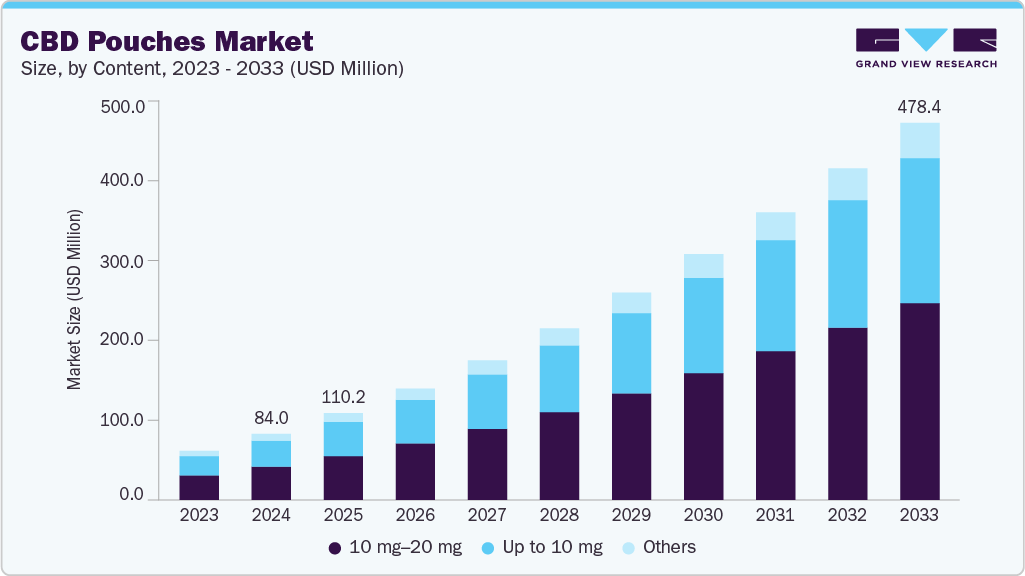
The global CBD pouches market was valued at USD 84.03 million in 2024 and is projected to reach USD 478.41 million by 2033, expanding at a CAGR of 20.1% from 2025 to 2033. Increasing awareness of CBD’s potential health benefits—particularly its effectiveness in easing chronic conditions such as anxiety and pain—is a major driver of market growth.

The rising preference for smokeless alternatives to traditional tobacco products has also contributed significantly to market expansion. Consumers seeking harm-reduction options are turning to CBD pouches due to their convenience, portability, and perceived health advantages. In addition, the legalization of cannabis across various regions has improved accessibility and reduced stigma, encouraging more individuals to explore CBD-based wellness products.

Consumer motivations for CBD use vary by gender. Relaxation and relief from stress or anxiety are the most common reasons across both men and women. Women report slightly higher usage for emotional well-being, as well as for managing chronic pain, joint pain, migraines, and nausea—needs that may be influenced by hormonal or autoimmune conditions. Meanwhile, men show a stronger inclination toward using CBD for social or spiritual purposes, reflecting a lifestyle-driven approach. Shared uses, including improving sleep and alleviating muscle pain, indicate common wellness priorities across genders.

Key Market Trends & Insights

  • North America dominated the market with a 58.6% share in 2024.
  • By content, the 10 mg–20 mg segment accounted for 50.4% of the market in 2024.
  • By end use, the flavored segment led the market with an 86.5% share in 2024.
  • By distribution channel, offline sales held a 63.7% revenue share in 2024.

Download a free sample PDF of the CBD Pouches Market Intelligence Study by Grand View Research.

Market Size & Forecast

  • 2024 Market Size: USD 84.03 Million
  • 2033 Projected Market Size: USD 478.41 Million
  • CAGR (2025–2033): 20.1%
  • Largest Regional Market (2024): North America

Competitive Landscape

The CBD pouches market is characterized by strong competition, with leading companies such as Cannadips, Jake's Mint Chew, Vibe CBD+CBG, FlowBlend, Chill.com, Metolius Hemp Company, Canndid, Chillbar, V&YOU, and Nicopods ehf actively expanding their presence across retail and online channels. Manufacturers are prioritizing innovations in delivery systems and technologies aimed at enhancing CBD’s bioavailability and overall product performance.

The entry of major tobacco companies into the space is further reshaping the competitive landscape, bringing in substantial resources, distribution networks, and industry expertise. As consumer familiarity and acceptance of CBD pouches continue to grow—driven by demand for discreet, convenient, and health-oriented formats—the market is positioned for robust growth over the coming decade.

Prominent Companies

  • Cannadips
  • Jake's Mint Chew
  • Vibe CBD+CBG
  • FlowBlend
  • Chill.com
  • Metolius Hemp Company
  • Canndid
  • Chillbar
  • Comp9
  • V&YOU
  • Nicopods ehf.

Explore Horizon Databook – the world’s most comprehensive market intelligence platform by Grand View Research.

Conclusion

The CBD pouches market is primed for substantial long-term expansion, supported by shifting consumer preferences toward wellness-focused, smoke-free alternatives and an evolving regulatory landscape that continues to legitimize CBD consumption. As product innovation accelerates and more industry players enter the market, CBD pouches are expected to gain broader adoption across diverse consumer segments, reinforcing their role as a leading format within the global CBD industry.

Catheter Introducer Sheaths Market Separable Types Gain Adoption

The global catheter introducer sheaths market was valued at USD 1.25 billion in 2024 and is projected to reach USD 1.93 billion by 2030, expanding at a CAGR of 7.5% from 2025 to 2030. Market growth is primarily driven by the rising prevalence of cardiovascular diseases (CVDs), which continues to increase demand for advanced medical devices used in the management and treatment of cardiovascular conditions.

A key contributor to market expansion is the growing volume of cardiac surgical procedures. According to an article published by Elsevier Inc. in June 2024, an estimated 1 to 1.5 million cardiac surgeries are performed annually worldwide. In high-income countries, this equates to an average of 123.2 procedures per 100,000 people each year. This substantial procedural volume highlights the critical need for devices like catheter introducer sheaths, which facilitate efficient vascular access during diverse cardiac interventions and help improve patient outcomes. Their importance continues to rise in parallel with the expanding cardiac surgery landscape.

Technological innovation also plays a pivotal role in market growth. For example, in February 2024, BioCardia, Inc. submitted a 510(k) application for its Morph DNA Steerable Introducer Sheath, designed to deliver balloon dilatation catheters, guidewires, and other therapeutic tools into peripheral vasculature and the heart’s chambers and coronary arteries. Such advancements underscore manufacturers' focus on improved device performance, safety, and procedural efficiency.

Key Market Trends & Insights

  • North America led the global market with a 40.3% share in 2024.
  • The U.S. represented the largest regional market in North America.
  • By product, integrated introducer sheaths accounted for over 60.2% of the market in 2024.
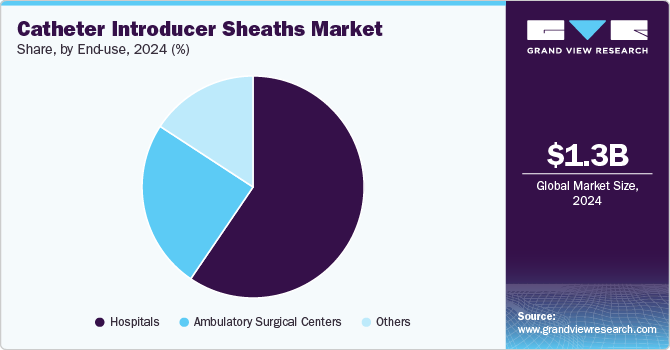
  • By end use, hospitals held the dominant share at 59.5% in 2024.

Download a free sample PDF of the Catheter Introducer Sheaths Market Intelligence Study by Grand View Research.

Market Size & Forecast

  • 2024 Market Size: USD 1.25 Billion
  • 2030 Market Size (Projected): USD 1.93 Billion
  • CAGR (2025–2030): 7.5%
  • Largest Regional Market (2024): North America

Competitive Landscape

Key industry players include Terumo Corporation, Merit Medical, and Medtronic. Companies are increasingly focused on analyzing competitor strengths and weaknesses, anticipating market shifts, and leveraging insights into emerging technologies and evolving clinical needs. Emerging participants such as Stryker and BD are also strengthening their presence in the catheter introducer sheaths space.

Prominent Companies

  • Terumo Corporation
  • Merit Medical
  • Medtronic
  • Galt Medical Corporation
  • Cordis Corporation
  • Oscor Inc
  • Abbott
  • Stryker
  • BD
  • B. Braun Interventional Systems Inc.

Recent Developments

  • September 2024: Argon Medical Devices launched the Intara Introducer Sheath alongside the TLAB Transvenous Liver Biopsy System.
  • June 2023: Merit Medical expanded its portfolio by acquiring AngioDynamics' dialysis catheter line and the BioSentry biopsy tract sealant solution. It also acquired the Surfacer Inside-Out access catheter solution from Bluegrass Vascular Technologies.
  • February 2023: Abbott announced a definitive agreement to acquire Cardiovascular Systems, Inc. (CSI), a leader in atherectomy systems for treating peripheral and coronary artery disease.

Explore Horizon Databook – the world’s most comprehensive market intelligence platform by Grand View Research.

Conclusion

The global catheter introducer sheaths market is poised for steady growth through 2030, driven by the rising burden of cardiovascular diseases, increasing volumes of cardiac surgical procedures, and continuous technological advancements. With strong demand across hospitals and heightened innovation from leading medical device manufacturers, the market is expected to expand at a healthy pace. North America will continue to play a pivotal role in shaping industry dynamics, while emerging product developments and strategic acquisitions further strengthen the competitive landscape. Overall, the market’s trajectory reflects its critical role in supporting advanced cardiovascular care and improving patient outcomes worldwide.

Capsule Endoscopy Market: Small Bowel Capsule Growth and Global Forecasts

The global capsule endoscopy market was valued at USD 443.8 million in 2024 and is projected to reach USD 695.4 million by 2030, expanding at a CAGR of 7.9% from 2025 to 2030. Growth in this market is driven by the rising prevalence of gastrointestinal (GI) diseases and colorectal cancer, increasing demand for minimally invasive diagnostic procedures, and the introduction of technologically advanced capsule devices.

The expansion of structured training programs and the integration of capsule endoscopy into medical curricula and gastroenterology fellowships are further boosting adoption. As innovations such as magnetically controlled capsules and AI-enabled lesion detection systems gain traction, the need for specialized training and certification is expected to increase. These developments improve diagnostic accuracy and enhance clinician confidence in using capsule endoscopy for both routine screening and complex GI assessments. For instance, the United European Gastroenterology (UEG) offers “A Primer in Capsule Endoscopy,” an online course that provides comprehensive training on capsule operation, reporting software, and potential complications.

Key Market Trends & Insights

  • North America led the global market with a 43.6% share in 2024.
  • The U.S. was the dominant market within North America in 2024.
  • By type, small bowel capsule endoscopy held the largest share at 54.6% in 2024.
  • By application, obscure GI bleeding (OGIB) accounted for the highest share at 45.4% in 2024.
  • By end use, hospitals dominated with a 55.3% share in 2024.

Download a free sample PDF of the Capsule Endoscopy Market Intelligence Study by Grand View Research.

Market Size & Forecast

  • 2024 Market Size: USD 443.8 Million
  • 2030 Projected Market Size: USD 695.4 Million
  • CAGR (2025–2030): 7.9%
  • Largest Market (2024): North America
  • Fastest Growing Region: Asia Pacific

Competitive Landscape

Companies in the capsule endoscopy space are investing in product innovation, strategic collaborations, mergers and acquisitions, and global expansion to strengthen their competitive positioning. Technological advancements in imaging resolution, data processing, and navigation systems continue to shape the industry.

Prominent Companies

  • CapsoVision
  • Shangxian Minimal Invasive Inc.
  • INTROMEDIC
  • Medtronic
  • Olympus
  • AnX Robotics
  • JINSHAN Science & Technology (Group) Co., Ltd.
  • Check-Cap
  • RF Co., Ltd.
  • BioCam

Recent Developments

  • January 2025: CapsoVision received U.S. FDA clearance for CapsoCam Plus for pediatric use in patients aged two years and older, offering a noninvasive and more comfortable diagnostic option for children.
  • January 2024: AnX Robotics received expanded U.S. FDA clearance for NaviCam Small Bowel Video Capsule Endoscopy (SB) for use in children aged two and above, in addition to adults.

Explore Horizon Databook – the world’s most comprehensive market intelligence platform by Grand View Research.

Conclusion

The capsule endoscopy market is poised for steady growth driven by rising GI disease burden, increasing use of noninvasive diagnostic tools, and rapid technological advancements. As AI-powered image analysis, pediatric-friendly capsules, and magnetically controlled navigation systems evolve, adoption will accelerate further—supported by enhanced training programs and broader clinical acceptance worldwide.

Capillary Blood Collection Devices Market: Plastic vs Glass Demand Outlook

The global capillary blood collection devices market was valued at USD 2.13 billion in 2024 and is projected to reach USD 3.52 billion by 2030, expanding at a CAGR of 8.8% from 2025 to 2030. Market growth is fueled by the rising availability of point-of-care (PoC) diagnostics, increasing prevalence of chronic diseases such as diabetes, cardiovascular conditions, and infectious diseases, and the advantages offered by capillary sampling—including ease of use, minimal invasiveness, and suitability for frequent blood testing.

The adoption of rapid PoC diagnostic methods is accelerating, further boosting the need for capillary blood collection devices. Their integration with PoC technologies makes them well-suited for remote, home-based, and ambulatory care environments. Capillary sampling is widely used for glucose and hemoglobin monitoring due to its simplicity and reduced patient discomfort. As home-based healthcare becomes more prevalent, demand for user-friendly, reliable capillary blood collection devices is expected to rise significantly.

Key Market Trends & Insights

  • North America dominated the market with a 33.6% share in 2024.
  • By material, plastic accounted for the largest market share at 40.6% in 2024.
  • By product, lancets held the largest revenue share at 33.5% in 2024.
  • By end use, hospitals and clinics captured the highest market share at 29.6% in 2024.
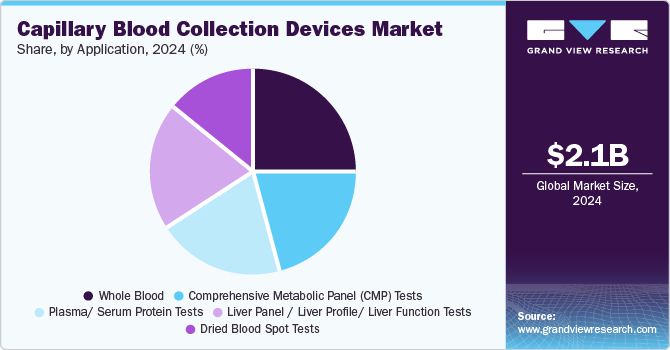
  • By application, whole blood tests held the largest revenue share at 24.6% in 2024.

Download a free sample PDF of the Capillary Blood Collection Devices Market Intelligence Study by Grand View Research.

Market Size & Forecast

  • 2024 Market Size: USD 2.13 Billion
  • 2030 Projected Market Size: USD 3.52 Billion
  • CAGR (2025–2030): 8.8%
  • Largest Market (2024): North America
  • Fastest-Growing Region: Asia Pacific

Competitive Landscape

The market is highly competitive, with numerous manufacturers strengthening their presence through product innovations, regulatory approvals, strategic acquisitions, and global expansions. Collaboration remains a key strategy. For instance, in May 2022, Babson Diagnostics and BD expanded their strategic partnership to broaden their blood testing portfolio and enhance global reach.

Prominent Companies

  • Becton, Dickinson and Company (BD)
  • Greiner Bio-One International GmbH
  • SARSTEDT AG & Co. KG
  • Terumo Medical Corp.
  • B. Braun Melsungen AG
  • Improve Medical
  • Abbott Laboratories
  • Cardinal Health
  • Retractable Technologies Inc.
  • Haemonetics Corporation

Recent Developments

  • July 2024: O’Ryan.Health announced two pivotal studies—The JDM Study and The Healthy Kids Study—focused on at-home pediatric blood collection using YourBio Health’s capillary devices.
  • December 2023: BD received U.S. FDA approval for its MiniDraw Capillary Blood Collection System, enabling fingertip-based blood collection suitable for laboratory-grade results.
  • July 2022: Rhinostics launched the VERIstic Collection Device, designed for faster capillary blood collection with an integrated cap for improved workflow efficiency.

Explore Horizon Databook – the world’s most comprehensive market intelligence platform by Grand View Research.

Conclusion

The capillary blood collection devices market is poised for steady growth, driven by rising PoC diagnostic adoption, growing chronic disease prevalence, and a shift toward home-based and remote healthcare. Continuous product innovation, improved device usability, and strategic industry partnerships will further support market expansion through 2030.

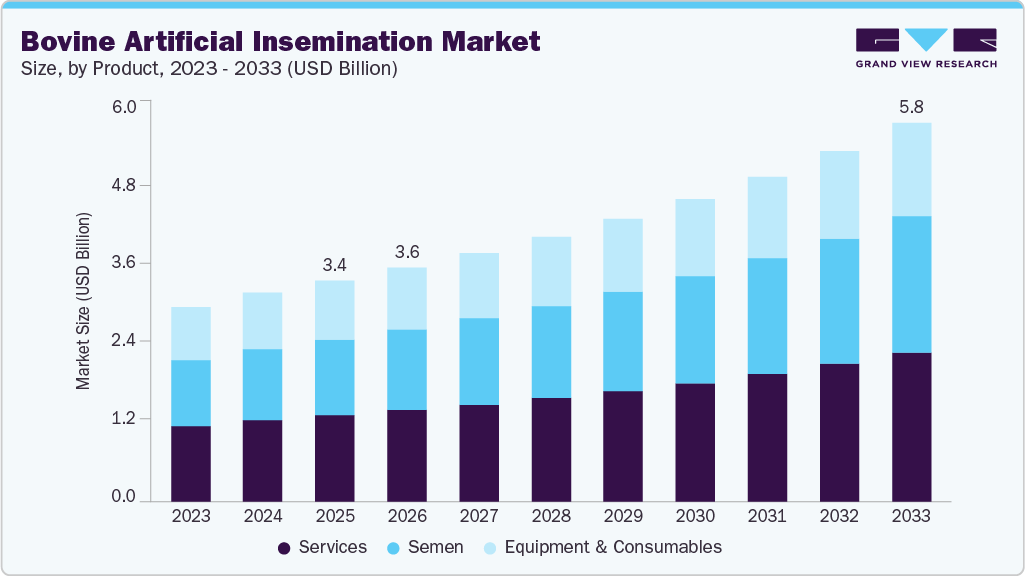
Bovine Artificial Insemination Market: Equipment & Consumables Forecasts

The global bovine artificial insemination market was valued at USD 3.21 billion in 2024 and is projected to reach USD 5.80 billion by 2033, expanding at a CAGR of 6.9% from 2025 to 2033. Growth in the market is driven by rising global demand for meat and dairy products, advancements in veterinary reproductive technologies, increasing focus on sustainable food production, and supportive initiatives undertaken by governments and industry stakeholders.

A major growth driver is the expanding demand for dairy products. As global population levels rise and consumer diets shift toward higher protein intake, the need for improved livestock productivity has intensified. Bovine AI plays a crucial role in meeting this demand by enhancing genetic traits, increasing milk yield, and improving product quality. For example, according to The Hindu (November 2024), India’s milk output increased by 3.78% in 2023–2024, with Uttar Pradesh contributing 16.21% of the nation’s total milk production. This growing emphasis on efficiency and output highlights the value of AI in modern dairy farming.

Key Market Trends & Insights

  • North America held the largest revenue share of 30.94% in 2024.
  • The U.S. dominated the North America market in 2024.
  • By solutions, services accounted for the largest share at 39.02% in 2024.
  • By distribution channel, the private segment led with 56.19% market share in 2024.
  • By sector, the dairy segment held the largest share in 2024.

Download a free sample PDF of the Bovine Artificial Insemination Market Intelligence Study by Grand View Research.

Market Size & Forecast

  • 2024 Market Size: USD 3.21 Billion
  • 2033 Projected Market Size: USD 5.80 Billion
  • CAGR (2025–2033): 6.9%
  • Largest Region (2024): North America
  • Fastest-Growing Region: Asia Pacific

Competitive Landscape

Key players in the bovine AI market are prioritizing genetic improvement, partnerships, and global expansion to maintain competitive advantage.

  • Genus plc (ABS Global) leads in precision breeding and advanced genetic improvement programs.
  • STgenetics specializes in sex-sorted semen and genomic selection technologies.
  • CRV Holding focuses on sustainable breeding and high-performance dairy genetics.
  • Semex Alliance emphasizes genomic advancements and fertility-enhancing solutions.
  • IMV Technologies supplies essential AI equipment and cryopreservation tools across global markets.
  • URUS Group integrates brands such as Alta Genetics and GENEX to offer data-driven reproductive management and herd optimization.

These organizations collectively advance the industry through innovations in genomic testing, AI optimization, reproductive technologies, and digital herd management platforms that boost productivity and improve genetic outcomes.

Prominent Companies

  • Genus Plc
  • IMV Technologies
  • SEMEX
  • Jorgensen Laboratories
  • URUS Group
  • STgenetics
  • National Dairy Development Board
  • Munster Bovine
  • World Wide Sires, Ltd
  • CRV

Recent Developments

  • March 2025: The Indian government launched a sex-sorted semen initiative to increase female calf births to 90% in Rajasthan. In collaboration with NDDB, the state procured 100,000 doses of sex-sorted semen for local production.
  • September 2024: Indian Immunologicals, in partnership with NDDB, introduced ‘Shashthi’, an indigenous IVF media that supports embryo development, improving the efficiency of bovine reproductive technologies.
  • February 2024: Cogent Breeding partnered with Sainsbury’s beef supply chain, enhancing farmers’ access to Cogent’s genetics within the Sainsbury’s Gamechanger program.

Explore Horizon Databook – the world’s most comprehensive market intelligence platform by Grand View Research.

Conclusion

The bovine artificial insemination market is poised for steady expansion as global demand for dairy and meat products accelerates and genetic improvement becomes a central focus for livestock productivity. Advances in reproductive technologies, strategic collaborations, and growing governmental support will continue to shape the industry’s evolution and drive adoption of AI solutions across emerging and established markets.

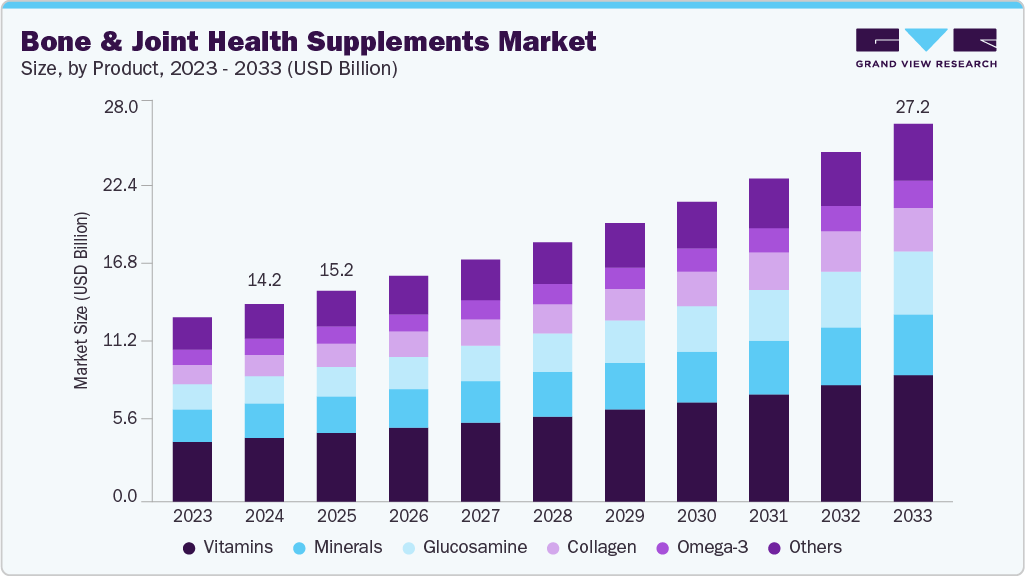
Bone and Joint Health Supplements Market: Vitamins and Minerals Outlook 2033

The global bone and joint health supplements market was valued at USD 14.17 billion in 2024 and is projected to reach USD 27.16 billion by 2033, expanding at a CAGR of 7.57% from 2025 to 2033. Market growth is driven by the rapid expansion of the geriatric population, increasing prevalence of orthopedic and musculoskeletal disorders, and heightened awareness of micronutrient deficiencies.

One of the core drivers of this market is the aging global population. Rising life expectancy and improved healthcare systems are contributing to a surge in the number of older adults, who are increasingly affected by age-related conditions such as osteoarthritis, osteoporosis, rheumatoid arthritis, and general joint degeneration. Aging naturally reduces bone density, limits flexibility, and accelerates cartilage wear—factors that lead to chronic pain, inflammation, and mobility challenges.

As a result, seniors are turning to bone and joint health supplements as a preventive and supportive health measure. Supplements featuring calcium, vitamin D, glucosamine, chondroitin, collagen, and essential micronutrients are widely adopted to preserve mobility, manage symptoms, and improve quality of life.

Key Market Trends & Insights

  • North America held the largest global market share at 35.30% in 2024.
  • The U.S. market is expected to experience significant growth throughout the forecast period.
  • By product, the vitamins segment accounted for the highest share at 32.39% in 2024.
  • By formulation, tablets dominated the market in 2024.
  • By application, bone density support held the largest share at 20.01% in 2024.

Download a free sample PDF of the Bone and Joint Health Supplements Market Intelligence Study by Grand View Research.

Market Size & Forecast

  • 2024 Market Size: USD 14.17 Billion
  • 2033 Projected Market Size: USD 27.16 Billion
  • CAGR (2025–2033): 7.57%
  • Largest Market (2024): North America
  • Fastest-Growing Region: Asia Pacific

Competitive Landscape

The bone and joint health supplements industry is highly competitive, with major players maintaining strong market positioning through extensive product portfolios, scientific validation, and robust distribution channels. Companies such as Herbalife International of America, GNC Holdings, and Nature’s Bounty have built substantial market presence by offering formulations designed to support bone density, joint flexibility, and overall musculoskeletal wellness.

Other industry participants continue to innovate by introducing new delivery formats, specialized nutrient blends, and personalized supplement solutions. The growing senior population, increasing health consciousness, and rising preventive healthcare trends continue to boost demand for formulations enriched with calcium, vitamin D, collagen, glucosamine, chondroitin, and other essential nutrients.

Prominent Companies

  • Herbalife International of America, Inc.
  • GNC Holdings, LLC
  • Nature's Bounty
  • Amway
  • Garden of Life
  • Thorne
  • Solgar Inc.
  • Pure Encapsulations, LLC
  • Glanbia plc
  • NOW Foods

Explore Horizon Databook – the world’s most comprehensive market intelligence platform by Grand View Research.

Conclusion

The bone and joint health supplements market is positioned for steady growth, supported by demographic shifts, increasing musculoskeletal health needs, and rising consumer focus on preventive wellness. Continued product innovation, personalized nutrition solutions, and expansion into emerging markets will further shape the industry’s evolution through 2033.

Biologics Manufacturing Market: Modality-Driven Innovations & Forecasts

The global biologics manufacturing market was valued at USD 33.48 billion in 2024 and is projected to reach USD 140.62 billion by 2033, growing at a CAGR of 17.0% from 2025 to 2033. This robust growth is driven by the rising demand for biopharmaceuticals, expansion of biologics production capabilities, and rapid advancements in cell and gene therapy manufacturing technologies.

Growing demand for targeted and innovative therapies continues to propel the market. Biologics—including monoclonal antibodies, antibody-drug conjugates, and cell and gene therapies—offer precise mechanisms that address the molecular origins of diseases. Their ability to improve treatment efficacy while reducing adverse effects makes them essential for managing conditions such as cancer, autoimmune disorders, and rare genetic diseases. As a result, biopharmaceutical and biotechnology companies are significantly ramping up investments in R&D pipelines to introduce next-generation biologics.

Key Market Trends & Insights

  • North America held the largest share of the global market in 2024, at 41.78%.
  • The U.S. biologics manufacturing market is expected to grow substantially through 2033.
  • By mode of manufacturing, contract manufacturing accounted for the highest market share in 2024.
  • By modality, monoclonal antibodies (mAbs) dominated the market with a 40.37% share in 2024.
  • By disease indication, the oncology segment held the highest market share in 2024.

Download a free sample PDF of the Biologics Manufacturing Market Intelligence Study by Grand View Research.

Market Size & Forecast

  • 2024 Market Size: USD 33.48 Billion
  • 2033 Projected Market Size: USD 140.62 Billion
  • CAGR (2025–2033): 17.0%
  • Largest Market (2024): North America
  • Fastest-Growing Region: Asia Pacific

Competitive Landscape

The biologics manufacturing landscape is led by well-established biopharmaceutical companies with extensive product pipelines, large-scale production capabilities, and global distribution networks. Major players such as Novartis AG, Pfizer Inc., Amgen Inc., Novo Nordisk A/S, AbbVie Inc., Johnson & Johnson, Bristol-Myers Squibb Company, Eli Lilly and Company, and F. Hoffmann-La Roche Ltd. continue to capture significant market share through continuous innovation and substantial R&D investments.

Specialized contract development and manufacturing organizations (CDMOs) are also expanding their presence. Companies including WuXi Biologics, FUJIFILM Diosynth Biotechnologies, Boehringer Ingelheim, Lonza, and Samsung Biologics offer flexible and scalable solutions spanning monoclonal antibodies, recombinant proteins, vaccines, and advanced cell and gene therapies. Their end-to-end capabilities support both emerging biotech firms and large pharmaceutical companies.

Market leaders maintain their competitive edge through the integration of advanced bioprocessing technologies—such as single-use systems, continuous manufacturing, and next-generation cell culture platforms—coupled with global expansion strategies and strong regulatory compliance frameworks. These efforts significantly reduce time-to-market for innovative therapeutics and enhance manufacturing efficiency.

Prominent Companies

  • Novartis AG
  • Pfizer Inc.
  • Amgen Inc.
  • Novo Nordisk A/S
  • AbbVie Inc.
  • Johnson & Johnson (Johnson & Johnson Services, Inc.)
  • Bristol-Myers Squibb Company
  • Eli Lilly and Company

Explore Horizon Databook – the world’s most comprehensive market intelligence platform by Grand View Research.

Conclusion

The biologics manufacturing market is poised for remarkable expansion as demand for targeted therapies grows and manufacturing technologies advance. With rising investment in R&D, expanding production capacity, and increasing adoption of cutting-edge bioprocessing platforms, the industry is set to play a pivotal role in the future of precision medicine and global healthcare innovation.

Nucleic Acid Isolation and Purification Market: Type Analysis & Forecasts

The global nucleic acid isolation and purification market was valued at USD 5.75 billion in 2024 and is projected to reach USD 9.77 billion by 2030, growing at a CAGR of 9.61% from 2025 to 2030. Market growth is driven by the rising adoption of sequencing platforms for clinical diagnostics, expansion of genomics and enzymology research, and increased investments in R&D across biotech and life sciences.

The expanding role of molecular biology, along with advancements in precision medicine, continues to accelerate market development. Companies are also increasing manufacturing capacity to meet growing demand. For example, in January 2023, Agilent Technologies announced a USD 725 million investment to expand its production capacity for therapeutic nucleic acids.

The global rise in genetic disorders, cancer, and infectious diseases has further elevated the need for nucleic acid analysis. Genetic conditions such as thalassemia, sickle cell anemia, and cystic fibrosis require DNA-level investigation to understand disease mechanisms. Moreover, the pursuit of cost-effective, rapid diagnostic testing—particularly during the COVID-19 pandemic—has driven innovation in laboratory workflow solutions. The widespread adoption of PCR testing for SARS-CoV-2 significantly increased demand for nucleic acid isolation and purification products, as the process is a critical step in the PCR workflow.

Key Market Trends & Insights

  • North America held the largest market share at 41.59% in 2024.
  • By product, kits & reagents dominated the market in 2024.
  • By type, DNA isolation and purification accounted for the largest revenue share.
  • By application, the diagnostic segment led the market in 2024.
  • By method, magnetic beads represented the leading segment.

Download a free sample PDF of the Nucleic Acid Isolation and Purification Market Intelligence Study by Grand View Research.

Market Size & Forecast

  • 2024 Market Size: USD 5.75 Billion
  • 2030 Projected Market Size: USD 9.77 Billion
  • CAGR (2025–2030): 9.61%
  • Largest Market (2024): North America
  • Fastest-Growing Region: Asia Pacific

Competitive Landscape

Companies operating in the NAIP market are focused on product approvals, new product launches, and strategic collaborations to enhance manufacturing capacity and accelerate technological innovation. Regional expansion efforts are also increasing as industry participants aim to improve supply chain efficiency and broaden technology access.

Prominent Companies

  • QIAGEN
  • Thermo Fisher Scientific, Inc.
  • Illumina, Inc.
  • Danaher
  • F. Hoffmann-La Roche Ltd
  • Merck KGaA
  • Agilent Technologies
  • Bio-Rad Laboratories, Inc.
  • Takara Bio Inc.
  • Promega Corporation

Explore Horizon Databook – the world’s most comprehensive market intelligence platform by Grand View Research.

Conclusion

The nucleic acid isolation and purification market is poised for sustained growth as advancements in genomics, precision medicine, and diagnostic technologies drive global demand. Increasing investments in capacity expansion, innovation, and collaborative R&D will continue to propel the market, reinforcing NAIP’s essential role in clinical diagnostics, therapeutic development, and molecular research.

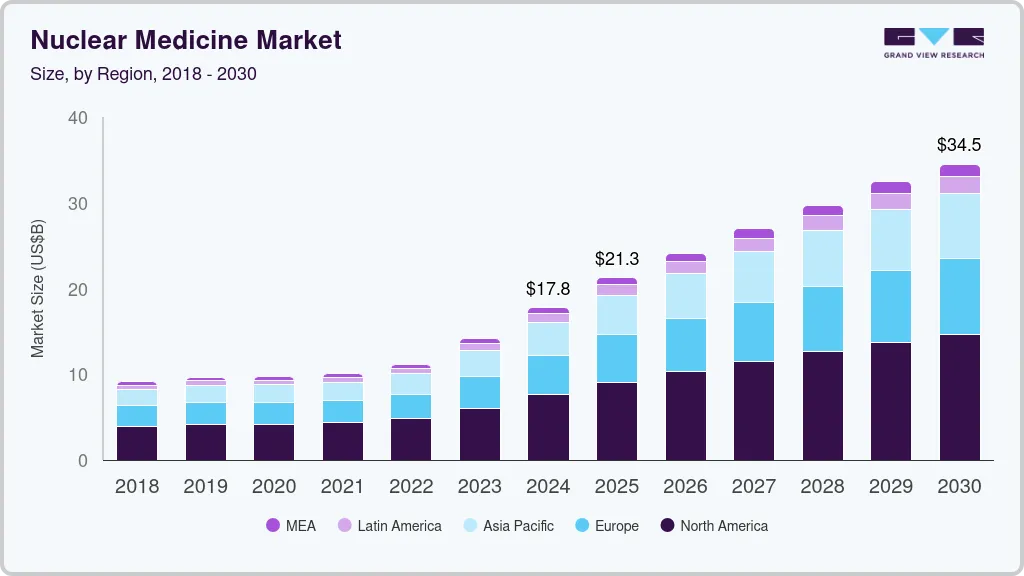
Nuclear Medicine Market: Growth by Diagnostics, Therapeutics, and End Use

The global nuclear medicine market was valued at USD 17.77 billion in 2024 and is projected to reach USD 34.51 billion by 2030, expanding at a CAGR of 10.16% from 2025 to 2030. Growth in the sector is supported by a strong product development pipeline and favorable government initiatives aimed at improving patient access to nuclear medicine technologies.

Several radiopharmaceuticals—including betalutin, omburtamab, yttrium-90 microspheres, PNT2003, and 177Lu-PNT2002—are currently undergoing clinical trials, reflecting sustained innovation in the field. While the COVID-19 pandemic had a moderate impact on industry operations, nuclear reactors were largely categorized as essential infrastructure, ensuring continuity of isotope production.

Advances in diagnostic imaging and therapeutic radiopharmaceuticals, along with the approval of next-generation nuclear medicine devices, continue to enhance patient care. For example, in September 2021, GE Healthcare introduced a novel scanner featuring an automated workflow designed to offer superior visualization of cardiac anatomy and pathology, enabling more informed clinical decision-making.

Key Market Trends & Insights

  • North America accounted for 42.87% of the global market in 2024.
  • The U.S. market dominated the North America region in 2024.
  • By product type, the diagnostics segment led the market with a 76.55% share in 2024.
  • By application, urology represented the largest segment, accounting for 22.62% of the market in 2024.

Download a free sample PDF of the Nuclear Medicine Market Intelligence Study by Grand View Research.

Market Size & Forecast

  • 2024 Market Size: USD 17.77 Billion
  • 2030 Projected Market Size: USD 34.51 Billion
  • CAGR (2025–2030): 10.16%
  • Leading Region (2024): North America

Competitive Landscape

Key players in the nuclear medicine market are actively expanding their geographic footprint, product portfolios, and technological capabilities. Expansion activities, strategic collaborations, and partnerships continue to play a central role in strengthening market presence and accelerating innovation.

Prominent Companies

  • GE Healthcare
  • Jubilant Life Sciences Ltd.
  • Nordion (Canada), Inc.
  • Bracco Imaging S.p.A.
  • Institute for Radioelements (IRE)
  • NTP Radioisotopes SOC Ltd.
  • Australian Nuclear Science and Technology Organisation (ANSTO)
  • Eczacıbaşı-Monrol
  • Lantheus Medical Imaging, Inc.

Recent Developments

  • October 2024: Sanofi and Orano Med established a strategic partnership to advance treatments for rare cancers. The collaboration involves joint investment in a new entity under the Orano Med brand, dedicated to developing next-generation radioligand therapies using the alpha-emitting isotope lead-212 (²¹²Pb).
  • March 2024: The Ministry of Health of the Republic of Serbia and Rosatom State Corporation signed an MoU to collaborate on nuclear medicine development, which is expected to stimulate market growth over the forecast period.
  • January 2024: Lantheus Holdings, Inc. strengthened its U.S. market position through agreements with Perspective Therapeutics, Inc., securing an exclusive licensing option for Pb212-VMT-⍺-NET, a therapy for neuroendocrine tumors, and co-development rights for early-stage prostate cancer treatments. Lantheus made an upfront payment of USD 28 million as part of the deal.

Explore Horizon Databook – the world’s most comprehensive market intelligence platform by Grand View Research.

Conclusion

The nuclear medicine market is poised for steady expansion, driven by advancements in radiopharmaceuticals, supportive government initiatives, and growing clinical adoption of innovative imaging and therapeutic technologies. As industry participants continue to invest in product development and strategic partnerships, nuclear medicine is expected to play an increasingly vital role in precision diagnostics and targeted therapy.

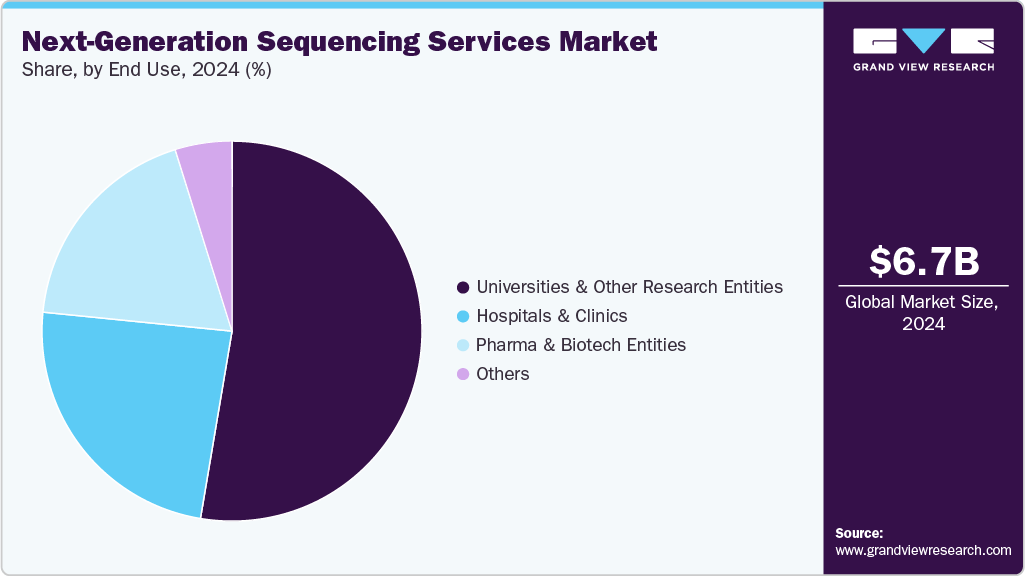
Next-generation Sequencing Services Market: Growth by End Use & Region

The global next-generation sequencing services market was valued at USD 6.66 billion in 2024 and is projected to reach USD 40.43 billion by 2033, expanding at a CAGR of 22.54% from 2025 to 2033. Market growth is primarily driven by increasing demand for advanced genomic research, a rising prevalence of genetic disorders, and accelerating adoption of precision medicine worldwide.

A key factor fueling expansion is the growing global burden of genetic and chronic diseases. Conditions such as cancer, cardiovascular diseases, neurological disorders, and rare inherited syndromes continue to rise, increasing the need for advanced diagnostic solutions. Traditional diagnostic methods often fail to detect underlying genetic mechanisms, whereas NGS provides comprehensive genomic insights that support early detection and precise diagnosis. According to the Centers for Disease Control and Prevention (CDC), six in ten Americans live with at least one chronic disease, while four in ten manage two or more, underscoring the urgency for more accurate and scalable sequencing technologies. As healthcare systems shift toward preventive and personalized care, the demand for robust NGS services continues to accelerate.

Key Market Trends & Insights

  • North America accounted for the largest revenue share in 2024, at 45.56%.
  • The U.S. market is expected to experience substantial growth from 2025 to 2033.
  • By service type, human genome sequencing held the largest share at 31.28% in 2024.
  • By workflow, the sequencing segment dominated the market in 2024.
  • Among end users, universities and research institutions represented the largest share in 2024.

Download a free sample PDF of the Next-generation Sequencing Services Market Intelligence Study by Grand View Research.

Market Size & Forecast

  • 2024 Market Size: USD 6.66 Billion
  • 2033 Market Size Projection: USD 40.43 Billion
  • CAGR (2025–2033): 22.54%
  • Largest Market (2024): North America
  • Fastest-Growing Region: Asia Pacific

Competitive Landscape

The NGS services market is rapidly evolving, driven by the need for high-throughput, accurate, and cost-efficient sequencing solutions across clinical diagnostics, research, and pharmaceutical development. Industry leaders—including Illumina, Thermo Fisher Scientific, Quest Diagnostics, ARUP Laboratories, Novogene, Azenta Life Sciences (GENEWIZ), PacBio, BGI, Gene by Gene, Lucigen, abm, NanoString Technologies, and Veritas—continue to expand their footprints through advanced technologies, global service networks, and deep genomics expertise.

These companies offer a wide array of sequencing services, including whole-genome sequencing, whole-exome sequencing, transcriptomics, targeted panels, and metagenomics, all supported by sophisticated bioinformatics and data analysis platforms. Continued investment in R&D, regulatory compliance, and strategic collaborations with hospitals, academic institutions, and biopharmaceutical organizations is positioning these players at the forefront of precision medicine. As personalized healthcare and data-driven drug development accelerate, the NGS market is expected to prioritize innovation, scalability, and global accessibility.

Prominent Companies

  • Illumina, Inc.
  • Thermo Fisher Scientific Inc.
  • BGI Genomics
  • Eurofins Genomics
  • GENEWIZ
  • Macrogen Inc.
  • QIAGEN N.V.
  • Agilent Technologies Inc.
  • Revvity, Inc.
  • Twist Bioscience

Explore Horizon Databook – the world’s most comprehensive market intelligence platform by Grand View Research.

Conclusion

The next-generation sequencing services market is poised for substantial expansion as technological advancements, precision medicine, and the rising burden of chronic and genetic diseases continue to drive demand. With strong regional growth dynamics and increasing investment from key industry players, the NGS services sector will remain a critical component of the global healthcare and biotechnology landscape.

Urban Growth and Electricity Demand Expand the Footprint of the Protective Relay Market

Protective relays rarely make headlines, but power systems depend on them. They detect faults, isolate the affected section in milliseconds,...