Rising Disposable Income Levels to Register Incremental Sales Opportunity for Luxury Jewelry Market by 2028

Luxury Jewelry Industry Overview

The global luxury jewelry market size was valued at USD 37.4 billion in 2020 and is expected to expand at a compound annual growth rate (CAGR) of 8.2% from 2021 to 2028. The rise in demand for sustainable jewelry and the rise in demand for gender-fluid jewelry are factors boosting the growth of the market for luxury jewelry. Luxury Jewelry has also grown into vehicles for self-expression, with many buyers looking for unique and important pieces. Non-traditional forms, shapes, and materials have found their way into jewelry collections. Asymmetrical cuts, imperfections in gemstones, utilitarian items, and opaque gems added a dimension of personality that appealed to customers' sense of individuality. Pearl jewelry gained popularity as a result of glowing endorsements from US Vice President Kamala Harris, film and music superstars, and members of the British Royal Family at high-profile public events.

U.S. luxury jewelry market size, by raw material, 2018 - 2028 (USD Billion)

During the pandemic, the female self-purchase market exploded across all product categories. Female self-purchase of precious jewelry was strong last year, according to PGI's Q4 2020 evaluation, and will continue to grow in 2021. According to the study, 77% of female respondents in India and China and 59.0% of female consumers in America, purchased non-bridal jewelry for themselves in 2020. In addition, over 80.0% of women in India and China and 67.0% of American women are expected to purchase non-bridal jewelry this year.

Gather more insights about the market drivers, restraints, and growth of the Global Luxury Jewelry market

Boundaries are being breached in jewelry trends, from watches to wedding rings and beyond, as gender fluidity becomes increasingly widespread. While male jewelry has always existed, more unisex pieces are emerging. For example, Gucci's jewelry collection was aimed at all genders and Bugari's B.Zero 1 Rock designs are contemporary, stylish, and unisex.

Generation Z is especially resistant to categorization and labeling. This allows marketers to target items to a wide range of people, connections, and events. London-based Shaun Leane is a pioneer in the field of gender-neutral jewelry. The designer, who began his company in 1999 after working as a jeweler for Alexander McQueen, has seen an increase in gay couples seeking unique engagement rings.

Browse through Grand View Research's Clothing, Footwear & Accessories Industry Research Reports

Jewelry Market - The global jewelry market size was valued at USD 249.02 billion in 2021 and is expected to expand at a compound annual growth rate (CAGR) of 8.5% from 2022 to 2030.

Beaded Jewelry Market - The global beaded jewelry market size was valued at USD 5.4 billion in 2021 and is expected to expand at a compound annual growth rate (CAGR) of 8.9% from 2022 to 2030. 

Luxury Jewelry Market Segmentation

Grand View Research has segmented the global luxury jewelry market on the basis of raw material, product, application, distribution channel, and region:

 Luxury Jewelry Raw Material Outlook (Revenue, USD Million, 2016 - 2028)

  • Gold
  • Platinum
  • Diamond
  • Precious Pearls
  • Gemstones
  • Others

Luxury Jewelry Product Outlook (Revenue, USD Million, 2016 - 2028)

  • Necklaces
  • Ring
  • Earrings
  • Bracelets
  • Others

Luxury Jewelry Application Outlook (Revenue, USD Million, 2016 - 2028)

  • Men
  • Women
  • Children

Luxury Jewelry Distribution Outlook (Revenue, USD Million, 2016 - 2028)

  • Online
  • Offline

Luxury Jewelry Regional Outlook (Revenue, USD Million, 2016 - 2028)

  • North America
  • Europe
  • Asia Pacific
  • Central & South America
  • Middle East & Africa

Key Companies profiled:

Some prominent players in the global Luxury Jewelry market include

  • Guccio Gucci S.p.A.
  • The Swatch Group Ltd.
  • Richemont
  • Tiffany & Co.
  • GRAFF
  • Louis Vuitton SE
  • Signet Jewelers Limited
  • Chopard International SA
  • MIKIMOTO
  • Pandora Jewelry, LLC

Order a free sample PDF of the Luxury Jewelry Market Intelligence Study, published by Grand View Research.
Carbonated Soft Drink Market Factors Affecting Buying Decision and Consumer Behaviour Analysis by 2028

Carbonated Soft Drink Industry Overview

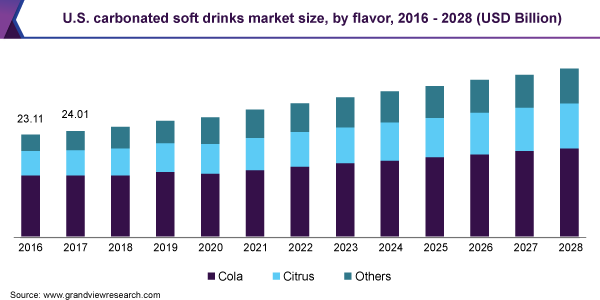
The global carbonated soft drink market size was valued at USD 221.6 billion in 2020 and is expected to expand at a compound annual growth rate (CAGR) of 4.7% from 2021 to 2028. Modern-day consumers can be seen focusing on convenience, and thus a large part of everyday purchase includes single grab-and-go products rather than the conventional bulk buying products. This has led to shelf-stable innovations and eco-friendly packaging, made with clean, renewable materials, and fewer preservatives and chemicals. The products are continually being improved and innovated to create something for everyone. Owing to growing consumer health awareness, companies are now more focused on including natural, low-calorie, and low-sugar ingredients in their products, like using stevia sweeteners instead of conventional or synthetic sweeteners.

U.S. carbonated soft drinks market size, by flavor, 2016 - 2028 (USD Billion)    

The packaging is taking on a more 'natural' approach to appeal to consumers looking for convenience and healthier options. Consumer demand for on-the-go drink solutions shows no sign of slowing down. Within the ready-to-drink market, it has become evident that using creative and vibrant packaging can help sell the beverage to consumers facing a time crunch and increasingly looking for products to fit their active lifestyles. Therefore, convenience trends are fueling the demand for ready-to-drink beverages.

Gather more insights about the market drivers, restraints, and growth of the Global Carbonated Soft Drink market

While carbonated soft drinks are designed to suit consumers' tastes and flavor preferences, in recent years, these products are also being developed to serve as functional beverages for health-conscious consumers. Consumers expect newly introduced soft drinks to be free from certain ingredients that damage health in the long term and actively improve physical and mental fitness through carefully selected ingredients. Consumers are likely to exhibit continued demand for low-sugar soft drinks and products with stress-relieving properties. The growing importance laid on mental health and physical well-being is anticipated to drive this trend.

Technological advancements have transformed the production process for carbonated soft drinks. Market players have been using laser technology instead of inkjet technology for labeling and packaging beverages due to their various unique benefits. This process coding is fast, the printing is permanent, and it is very easy to integrate with the production line. The entire process under laser technology does not require any ink, which reduces the cost of the finished product. Innovations in packaging also play a crucial role as it leads to longer shelf life, and as a result, it is becoming more comfortable to sell carbonated soft drinks out of small shops and vending machines.

Browse through Grand View Research's Consumer F&B Industry Research Reports

Soft Drinks Market - The global soft drinks market size was valued at USD 416.19 Billion in 2021 and is expected to expand at a CAGR of 5.2% from 2022 to 2028.

Diet Soft Drinks Market - The global diet soft drinks market size was valued at USD 4.1 billion in 2018. Demand for diet drinks has witnessed significant growth in the recent years on account of shifting consumer food habits towards healthier alternatives to high calorie beverages.

Carbonated Soft Drink Market Segmentation

Grand View Research has segmented the global carbonated soft drink market on the basis of flavor, distribution channel, and region:

 Carbonated Soft Drinks Flavor Outlook (Revenue, USD Billion, 2016 - 2028)

  • Cola
  • Citrus
  • Others

Carbonated Soft Drinks Distribution Channel Outlook (Revenue, USD Billion, 2016 - 2028)

  • Hypermarkets, Supermarkets & Mass Merchandisers
  • Convenience Stores & Gas Stations
  • Food Service Outlets
  • Online Stores & D2C
  • Others

Carbonated Soft Drinks Regional Outlook (Revenue, USD Billion, 2016 - 2028)

  • North America
  • Europe
  • Asia Pacific
  • Central & South America
  • Middle East & Africa

Market Share Insights:

January 2021: PepsiCo launched two new products under its carbonated soft drinks category, namely Major Melon Zero Sugar and Mtn Dew Major Melon. The company expects to offer a nostalgic taste to its consumers through this new carbonated soft drink product. It is available in 20-ounce bottles and 12-ounce bottles in a pack of 12.

Key Companies profiled:

Some prominent players in the global Carbonated Soft Drink market include

  • ANADOLU GRUBU A.ÅΕΎ.
  • Danone
  • JONES SODA CO.
  • Keurig Dr Pepper Inc.
  • Monster Energy Company
  • National Beverage Corp.
  • PepsiCo
  • Refresco Group
  • SODASTREAM INTERNATIONAL LTD.
  • SUNTORY BEVERAGE & FOOD LIMITED
  • The Coca-Cola Company

Order a free sample PDF of the Carbonated Soft Drink Market Intelligence Study, published by Grand View Research.
Hair And Scalp Care Market Cost Structure Analysis, Manufacturing Trends and Scope, 2028

Hair and Scalp Care Industry Overview

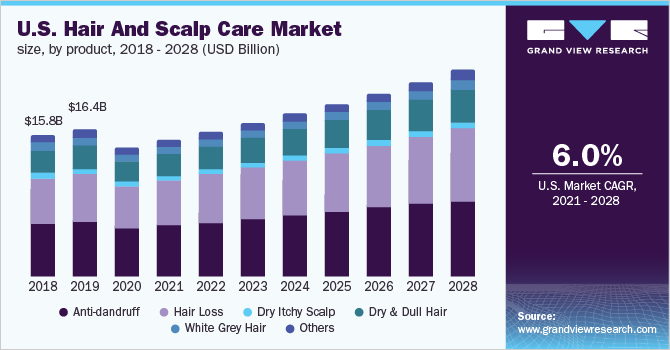
The global hair and scalp care market size was valued at USD 80.81 billion in 2020 and is expected to expand at a compound annual growth rate (CAGR) of 6.6% from 2021 to 2028. Growing concerns among consumers and the availability of new, more effective, and safer hair care products have led to a significant increase in the use of these products, which, in turn, boosted the market growth. The beauty and personal care industry comprising skin care, cosmetics, hair care, and personal care has been affected by the COVID-19 pandemic as there have been widespread retail and convenience store closures leading to the weakening sales of various hair and scalp care products in the global market. For instance, Beiersdorf AG reported a decline of sales across the entire group by 1.9% during the second quarter of 2020 because of the pandemic.

Gather more insights about the market drivers, restraints, and growth of the Global Hair and Scalp Care market

Dandruff, dry and itchy scalp, hair loss, and dull hair are some of the major concerns that trigger any individual. According to the American Academy of Dermatology report, approximately 30 million women in the U.S. suffer from hereditary hair loss and increasingly spend on hair and scalp care products.

Rising concerns regarding the harmful effects of pollution, excessive use of hair straighteners and curlers, increased exposure to ultraviolet sun rays, and frequent use of shampoos with harsh chemicals on one’s hair has been driving the demand for nourishing products, including masks. Hair masks have been gaining significant popularity as a treatment for damaged and frizzy hair, which, in turn, is anticipated to bode well for market growth.

China is one of the major countries contributing to the growth of the global market in terms of consumption as well as production with a CAGR of 8.0% during the forecast period. A high concentration of manufacturers including key players such as L’Oreal is the key reason contributing to the country-level growth.

U.S. hair and scalp care market size, by product, 2018 - 2028 (USD Billion)

Additionally, over the last few years, the elderly population has been increasing significantly all over the world. According to 2019 data from World Population Prospects, the population aged above 60 and over is growing faster than all other age groups. This age group has been creating opportunities for white and grey hair products worldwide.

However, the increasing cases of stress and anxiety and other external factors like high pollution levels and exposure to UV rays have increased white and grey hair conditions among the middle-aged population as well. Klorane; Coty Inc. (Clairol); Estée Lauder (Aveda); and L'Oréal (Redken and Kérastase) are among the global companies offering products for white and grey hair.

Dandruff is one of the most common issues related to hair and scalp. A large number of consumers use anti-dandruff shampoos to treat dandruff. Pyrithione zinc is widely used in anti-dandruff shampoos because of its anti-fungal property. However, lately, natural ingredients such as tea tree oils, neem, basil, rosemary oil, lemon oil, and cedarwood are gaining traction in anti-dandruff shampoos.

Browse through Grand View Research's Beauty & Personal Care Industry Research Reports

Hair Mask Market - The global hair mask market size was valued at USD 420.0 million in 2018. Rising concerns regarding the harmful effects of pollution, excessive use of hair straighteners or curlers and blow dryers, ultraviolet sunrays, and harsh shampoo on hair have been driving the demand for the nourishing product including masks.

Hair Accessories Market - The global hair accessories market size to be valued at USD 31.6 billion by 2028 and is expected to grow at a compound annual growth rate (CAGR) of 7.7% during the forecast period.

Hair And Scalp Care Regional Outlook (Revenue, USD Million, 2016 - 2028)

  • North America
  • Europe
  • Asia Pacific
  • Central & South America
  • Middle East & Africa

Market Share Insights:

January 2021: Harry’s Inc. incubator Harry’s Labs launched a new women’s scalp care brand as a strategy to help its parent company become a conglomerate.

Key Companies profiled:

Some prominent players in the global Hair and Scalp Care market include

  • L’Oréal S.A.
  • Beiersdorf AG
  • Procter & Gamble (P&G)
  • Unilever
  • Johnson & Johnson Services, Inc.
  • Amorepacific
  • The Estée Lauder Companies Inc.
  • Kanebo Cosmetics Inc.
  • Himalaya Global Holdings Ltd.
  • Shiseido Co., Ltd.

Order a free sample PDF of the Hair and Scalp Care Market Intelligence Study, published by Grand View Research.
U.S. Laundry Facilities & Dry-Cleaning Services Market Revenue Opportunities and Gross Margin Analysis

U.S. Laundry Facilities & Dry-Cleaning Services Industry Overview

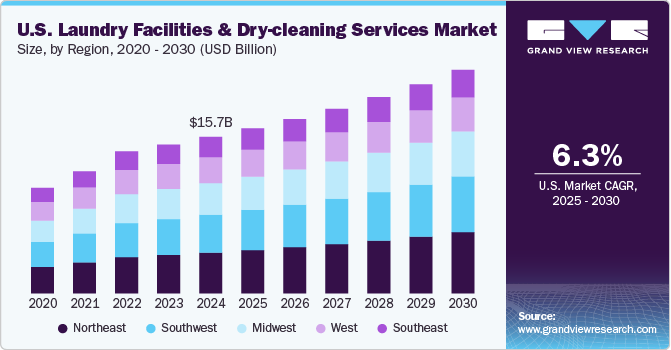
The U.S. laundry facilities and dry-cleaning services market size was valued at USD 10.51 billion in 2020 and is expected to grow at a compound annual growth rate (CAGR) of 4.0% from 2021 to 2028. The surge in the on-demand dry-cleaning and laundry service instead of in-house laundry owing to the rise in working population in the U.S. is a key factor driving the market growth. The outbreak of COVID-19 across the globe has significantly increased the awareness among people regarding self-hygiene and maintaining a clean environment. Employees at multinational companies and big corporations are higher in number, which creates a huge potential for infection to be spread from one to another. Thus, coronavirus has triggered these companies to adopt the work-from-home policy. Large tech employers, such as Apple, Google, Facebook, and Microsoft, were among the first to ramp up remote work plans for many or all of their employees around the globe followed by medium- and small-scale businesses.

According to the Society for Human Resource Management (SHRM), 64% of U.S. employees are working from home. This, in turn, has shrunk the number of office-going population, ultimately affecting the dry-cleaning and laundry business. Laundry is a time-consuming task and has become a burden for people, especially for those working full-time. Thus, time constraints due to increasing work pressure and hours boost the demand for on-demand laundry services.

Gather more insights about the market drivers, restraints, and growth of the U.S. Laundry Facilities & Dry-Cleaning Services market

With increasing employment and workforce in the country, people are getting busier, thereby creating significant opportunities for providers of online laundry services. Several providers, such as Cleanly, FlyCleaners, and ZIP JET, offer discounts on their services to promote their businesses and expand their customer base. Traditionally, customers had to drop off and pick up their clothes and other linen. However, market players now offer doorstep pick-up & drop services, which augments the market growth.

Growing awareness regarding the importance of overall appearance, personal care, and hygiene, coupled with the influence of social media and emerging trends in fashion, drives the market growth. The market is starting to incorporate computerized lockers inside offices or apartment buildings that allow customers to pick up and drop off their laundry 24/7.  The customers are usually notified by a text message when their clothing is ready to be picked up at the locker. Such convenient door-step services are boosting the market growth.

U.S. laundry facilities & dry-cleaning services market size, by type, 2016 - 2028 (USD Million)

The introduction of technologically advanced products, such as coin- or card-operated machines, is anticipated to fuel the market growth over the forecast period. According to the Coin Laundry Association, there were about 35,000 laundromats in the U.S. in 2019. Some laundromat operators have migrated from traditional coin-operated machines to more modern card-operated machines, as these systems offer detailed information about machine use and revenue, and sends alerts to property managers for maintenance. The advancements in machines, such as remotely checking for machine availability and receiving automated text messages after completing laundry at the facility, are expected to propel market growth in the coming years.

For instance, LARA incorporates the cloud and Internet-of-Things (IoT) in its process, which automatically tags hangers with LED lights to provide visual cues that help businesses track and organize orders. The system was well received at Clean 2019, which hosted more than 12,500 attendees in Las Vegas in June at the show’s 40th annual exhibition. In addition, increased discretionary incomes and lifestyle changes have created new lucrative markets for dry cleaners, such as wash-dry-fold services that charge per pound, and pickup and delivery services.

Browse through Grand View Research's Homecare & Décor Industry Research Reports

Laundry Care Market - The global laundry care market size was valued at USD 96.7 billion in 2021 and is expected to expand at a compound annual growth rate (CAGR) of 4.5% from 2022 to 2028.

Dry-cleaning & Laundry Services Market - The global dry-cleaning & laundry services market size to be valued at USD 79.91 billion by 2027 and is expected to grow at a compound annual growth rate (CAGR) of 3.4% during the forecast period.

U.S. Laundry Facilities & Dry-Cleaning Services Market Segmentation

Grand View Research has segmented the U.S. laundry facilities and dry-cleaning services market on the basis of type:

U.S. Laundry Facilities & Dry-Cleaning Services Type Outlook (Revenue, USD Million, 2016 - 2028)

  • Coin-operated Services
  • Retail Laundry/Dry Clean
  • Corporate/Industrial Laundry
  • Others

Key Companies profiled:

Some prominent players in the U.S. Laundry Facilities & Dry-Cleaning Services market include

  • CSC ServiceWsorks
  • EnviroStar, Inc.
  • Alliance Laundry Systems LLC
  • The Huntington Company
  • Yates Dry Cleaning & Laundry Services
  • ZIPS Dry Cleaners
  • LavatecLaundryTechnology GmbH
  • Angelica
  • Cleanly
  • FlyCleaners

Order a free sample PDF of the U.S. Laundry Facilities & Dry-Cleaning Services Market Intelligence Study, published by Grand View Research.
Baby Diapers Market Worth $108.9 Billion by 2028 | CAGR: 4.6%

Baby Diapers Industry Overview

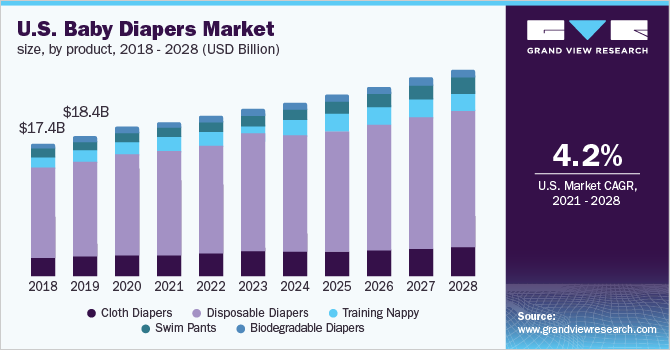
The global baby diapers market size was valued at USD 75.9 billion in 2020 and is expected to expand at a compound annual growth rate (CAGR) of 4.6% from 2021 to 2028. The market is projected to witness higher demand over the coming years owing to the rising awareness regarding child health. The shifting inclination for high-quality and eco-friendly baby products is the major factor boosting the demand for biodegradable diapers across the globe. In addition, manufacturers are focusing on developing bio-ingredients based baby diapers, which is also anticipated to propel market growth over the coming years.

In the U.S., one-third of the families struggle to provide enough baby diapers for their children. However, with the introduction of The End Diaper Need Act of 2021 by Sen. Tammy Duckworth in February 2021, low-income families would be able to afford diapers for their babies and toddlers.

Gather more insights about the market drivers, restraints, and growth of the Global Baby Diapers market

The End Diaper Need Act will provide USD 200 million to social services every year between 2022 and 2025, which will contribute towards diapers and related supplies. Additionally, the bill will fund 200 medically necessary diapers per month for “medically complex children” through Medicaid. Such initiatives can create a significant positive impact on the baby diapers market growth in the U.S. over the coming years.

The purchasing power of consumers in North America and Europe is relatively high compared to other regions in the world. This higher purchasing power allows them to spend more on high-quality, premium baby products. As a result, premium baby care products have a notable demand in the abovementioned regions.

U.S. baby diapers market size, by product, 2018 - 2028 (USD Billion)

Countries with a high participation rate of women in the workforce are expected to generate a high demand for baby products owing to the increased purchasing power of working mothers. As of 2019, countries like Rwanda, Madagascar, Nepal, Burundi, Tanzania, Zimbabwe, Cambodia, Vietnam, South Sudan, and Iceland had the highest women labor force participation rate in the world. Therefore, the product demand is expected to gain momentum in these countries in the upcoming years.

Factors such as an increase in purchasing power, the high participation rate of women in the workforce, and the rising awareness about hygiene are boosting the adoption of these products among consumers. Over the past few years, the use of baby diapers has increased worldwide, especially in Asia Pacific. The high birth rate in African countries is also enhancing product adoption.

Browse through Grand View Research's Beauty & Personal Care Industry Research Reports

Baby Products Market - The global baby products market size was valued at USD 214.13 billion in 2021 and is expected to expand at a compound annual growth rate (CAGR) of 5.7% from 2022 to 2030.

Wet Wipes Market - The global wet wipes market size was valued at USD 21.5 billion in 2021 and is expected to expand at a compound annual growth rate (CAGR) of 3.6% from 2022 to 2030.

Baby Diapers Market Segmentation

Grand View Research has segmented the global baby diapers market on the basis of product, distribution channel, and region:

 Baby Diaper Product Outlook (Revenue, USD Million, 2016 - 2028)

  • Cloth Diapers
  • Disposable Diapers
  • Training Nappy
  • Swim Pants
  • Biodegradable Diapers

Baby Diaper Distribution Channel Outlook (Revenue, USD Million, 2016 - 2028)

  • Offline
  • Online

Baby Diaper Regional Outlook (Revenue, USD Million, 2016 - 2028)

  • North America
  • Europe
  • Asia Pacific
  • Central & South America
  • Middle East & Africa

Market Share Insights:

September 2020: Bdiapers India launched the country’s first-ever hybrid cloth diapers with disposable or reusable inserts. The product is a patented design of hybrid diapers that works in a two-part system with a cloth cover and a waterproof pouch that holds the disposable nappy pad.

Key Companies profiled:

Some prominent players in the global Baby Diapers market include

  • The Procter & Gamble (P&G)
  • Kimberly Clark Worldwide
  • Hengan International Group Company Ltd.
  • Unicharm Corporation
  • Johnson & Johnson Consumer Inc.
  • First Quality Enterprises
  • Ontex Group
  • The Hain Celestial Group, Inc.
  • The Honest Company, Inc.
  • Essity AB

Order a free sample PDF of the Baby Diapers Market Intelligence Study, published by Grand View Research.
Burgeoning Consumer Demand for a Healthier Lifestyle Will Help Uptick the Carrageenan Market Demand by 2028

Carrageenan Industry Overview

The global carrageenan market size was valued at USD 780.5 million in 2020 and is expected to expand at a compound annual growth rate (CAGR) of 6.0% from 2020 to 2028. Increasing product penetration in dairy and processed meat products on account of carrageenan’s mouth feel characteristics to imitate fatty feeling is expected to boost the market growth over the forecast period. The primary factor contributing to the wide usage of carrageenan in the food industry is its capability to bind with water and enhance the properties of food ingredients. A rising preference for food and pharmaceutical products with ingredients derived from plant sources instead of animal-derived ingredients, such as gelatin, is likely to increase the product demand.

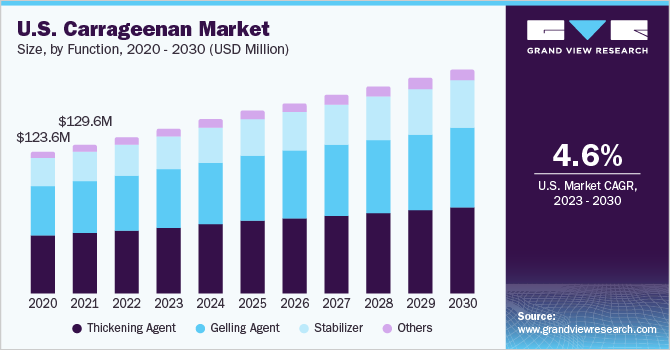
The U.S. accounted for the largest revenue share in 2020 in the North American market. The U.S. is a mature market for processed food products having a large food manufacturing base in the country, making the product a highly in-demand additive for food processing applications, as a thickening and gelling agent.

Gather more insights about the market drivers, restraints, and growth of the Global Carrageenan market

The product is majorly utilized as a viscosity control agent in personal care products and water-based cosmetics due to its water-binding capacity. It functions as a thickening, stabilizing, and suspending agent in sunscreens, lotions, and body washes. For instance, products such as L'Oréal’s Pure-clay Glow-mask and Natural Moisturizing Lubricant of DreamBrands Inc. contain carrageenan.

The cultivation of the product has led to positive socio-economic development in coastal countries. In the Asia Pacific, carrageenan cultivation and processing are increasing particularly in Southeast Asian countries due to favorable climatic conditions. Technologies such as semi-refined type processing are widely used by small and medium-scale players in these countries owing to comparatively easier processes and lower processing costs.

U.S. carrageenan market size, by function, 2018 - 2028 (USD Million)

In this industry, product differentiation depends on raw material and extraction processes followed. Kappa and iota types are suitable for use as gelling agents, whereas lambda is majorly used as a thickening agent as it does not have the ability to form a gel. For instance, Cargill, Incorporated has developed Satiagel ADG 0220 Seabird carrageenan that can be used for gelled dairy desserts. The company has further diversified the product range by developing Seabrid carrageenan, which can be utilized for creamy dairy desserts as a texturizing agent.

It is further being considered as a treatment against COVID-19 due to its antiviral properties. In December 2020, a clinical trial was initiated collaboratively by the Cardiff University, Marinomed Biotech AG, Walgreens Boots Alliance, and Abertawe Bro Morgannwg University Health Board for analyzing the efficacy of carrageenan nasal and throat spray against COVID-19.

Browse through Grand View Research's Food Additives & Nutricosmetics Industry Research Reports

Functional Mushroom Market - The global functional mushroom market size was valued at USD 24.97 billion in 2021 and is expected to expand at a compound annual growth rate (CAGR) of 9.5% from 2022 to 2028. 

Citrus Solvents Market - The global citrus solvents market size was valued at USD 1.44 billion in 2021 and is expected to expand at a compound annual growth rate (CAGR) of 5.3% from 2022 to 2028.

Carrageenan Regional Outlook (Volume, Kilotons; Revenue, USD Million, 2017 - 2028)

  • North America
  • Europe
  • Asia Pacific
  • Central & South America
  • Middle East & Africa

Market Share Insights:

August 2020: CP Kelco and Biesterfeld announced an expansion of their partnership in the food and nutrition segment in Europe. As a part of this partnership, Biesterfeld is expected to distribute the former’s carrageenan products in European countries.

Key Companies profiled:

Some prominent players in the global Carrageenan market include

  • DuPont
  • Ingredion Incorporated
  • Ashland
  • CP Kelco U.S., Inc.
  • Cargill, Inc.
  • Ceamsa
  • W Hydrocolloids, Inc.

Order a free sample PDF of the Carrageenan Market Intelligence Study, published by Grand View Research.
Industrial Boilers Market Organization Segment Trends, PEST Analysis and Forecast

Industrial Boilers Industry Overview

The global industrial boilers market size was valued at USD 13.6 billion in 2020 and is expected to expand at a compound annual growth rate (CAGR) of 5.0% from 2021 to 2028. Rapid industrialization and the growing food and beverage industry are expected to drive the global market over the forecast period. Moreover, stringent laws to regulate harmful emissions in the environment will boost the adoption of these systems boosting the demand for industrial boilers over the coming years.

Industrial boilers are used by multiple industries including food and beverage, petrochemical, power, and chemical. Boilers produce steam which is then used to carry out heating processes. The steam produced is transferred to the area of operation through pipes. In order to produce the steam, boilers use different types of fuels including oil and gas, fossil, non-fossil, and biomass.

Gather more insights about the market drivers, restraints, and growth of the Global Industrial Boilers market

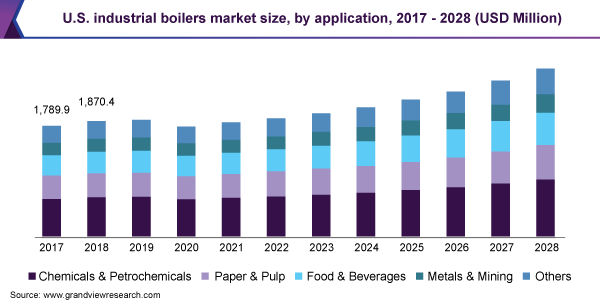
The U.S. accounted for the second-largest market share in 2020. High disposable income coupled with increasing population has boosted the growth of numerous industries including food and beverages, textile, and FMCG. In order to fulfill the increased demand, companies are not only expanding their existing manufacturing units but also setting up new industrial plants thereby boosting the demand for industrial boilers over the coming years.

Rapidly growing petrochemical and chemical industries in developing economies including India and China are anticipated to boost demand for industrial boilers. The demand is expected to rise further owing to growing investment to develop mega power projects across the globe. These vessels are widely used in chemical and petrochemical industries which account for the highest market share of industrial boilers in the application segment.

U.S. industrial boilers market size, by application, 2017 - 2028 (USD Million)

The U.S. Environmental Protection Agency has estimated that new boiler rules are expected to prevent environmental emissions at a large scale. More than 88% of the major source boilers can meet emission standards via annual tune-ups, however, the remaining 12.0% would need refurbishing or replacement to minimize toxic emissions, which are anticipated to create opportunities for manufacturers over the forecast period.

Various problems related to manufacturing are exposed gradually as the development of the product takes place. Major issues witnessed during the manufacturing of these systems include the problems associated with materials, deformation, stress corrosion, welding issues, and hydrogen embrittlement. If the product design fails to cater to the basic functioning, then the whole manufacturing process fails to meet the company’s requirements and goals.

Browse through Grand View Research's Advanced Interior Materials Industry Research Reports.

Non-ferrous Scrap Recycling Market - The global non-ferrous scrap recycling market size to be valued at USD 308.5 million by 2027 and is expected to grow at a compound annual growth rate (CAGR) of 2.8% during the forecast period.

Machine Tools Market - The global machine tools market size was valued at USD 77.22 billion in 2021 and is expected to grow at a compound annual growth rate (CAGR) of 5.7% over the forecast period.

Industrial Boilers Market Segmentation

Grand View Research has segmented the global industrial boilers market on the basis of application, fuel, and region:

 Industrial Boilers Application Outlook (Revenue, USD Million, 2017 - 2028)

  • Chemicals & Petrochemicals
  • Paper & Pulp
  • Food & Beverages
  • Metals & Mining
  • Others

Industrial Boilers Fuel Outlook (Revenue, USD Million, 2017 - 2028)

  • Oil & Gas
  • Fossil
  • Non-Fossil
  • Biomass

Industrial Boilers Regional Outlook (Revenue, USD Million, 2017 - 2028)

  • North America
  • Europe
  • Asia Pacific
  • Central & South America
  • Middle East & Africa

Key Companies profiled:

Some prominent players in the global Industrial Boilers market include

  • Thermax Ltd.
  • Siemens AG
  • Bharat Heavy Electricals Ltd.
  • Forbes Marshall
  • Mitsubishi Heavy Industries, Ltd.
  • Harbin Electric Corporation
  • Cheema Boilers Limited
  • IHI Corporation
  • AC Boilers
  • Dongfang Electric Corporation Ltd.

Order a free sample PDF of the Industrial Boilers Market Intelligence Study, published by Grand View Research.

Plastic Pallets Market Driver, Restraint, Challenges and Opportunities Study

Plastic Pallets Industry Overview

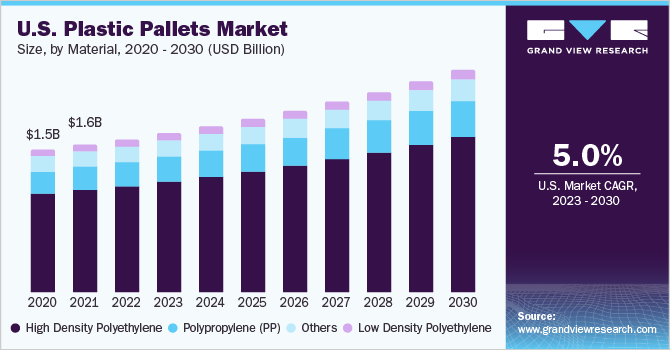
The global plastic pallets market size was valued at USD 6.7 billion in 2020 and is expected to expand at a compound annual growth rate (CAGR) of 5.6% from 2021 to 2028. Growing demand for hygienic, contamination-free, and durable pallets by the food and beverage, pharmaceutical, and chemical industries is expected to drive the market. Plastic pallets are made of durable materials, such as high-density polyethylene (HDPE) and polypropylene (PP), and are designed to facilitate mechanical handling of goods by the front loader, forklift, jack, and other material handling equipment. The initial investment for plastic pallets is considerably high compared to single-use wood pallets; however, with increasing trips, lower cost per trip can be achieved, which ensures a rapid return on investment.

Gather more insights about the market drivers, restraints, and growth of the Global Plastic Pallets market

The U.S. market is expected to exhibit significant growth on account of increasing government focus on strengthening their manufacturing sector through trade agreements and ‘Make in America’ campaign. Besides, the companies operating in the region are increasingly opting for sustainable business practices to strengthen their brand image.

Plastic pallets are expensive compared to wood pallets; thus, the risk of pallet theft or misplacing increases the overall cost of material handling. However, the introduction of active tracking devices, including RFID tags and Bluetooth, and the Internet of Things (IoT) has enabled efficient tracking of pallets and significantly reduced pallet loss. Therefore, the increased attractiveness of plastic pallets due to technological advancement is likely to fuel the market for plastic pallets in the coming years.

U.S. plastic pallets market size, by type, 2017 - 2028 (USD Million)

Plastic pallets are utilized for multiple trips without being disposed of after single-use, eliminating packaging waste going into landfills and making them highly sustainable, even though they are made from non-biodegradable material. Growing government focus on reusing and recycling packaging products coupled with increasing sustainability awareness among the consumers is expected to favor market growth.

The key parameter to select a pallet material, especially in the food and beverage and pharmaceutical industries, is that the material should be free from any contamination. Wood pallets have a high risk of sheltering bacteria, pests, or fungi, and the splinters or protruding nails of wooden pallets have the potential to break or tamper with the packaging. Thus, on account of the aforementioned shortcomings associated with wood pallets, plastic pallets are majorly preferred by the key end-use industries.

Browse through Grand View Research's Plastics, Polymers & Resins Industry Research Reports

Medical Fluoropolymers Market - The global medical fluoropolymers market size was estimated at USD 435.5 million in 2021 and is estimated to expand at a compound annual growth rate (CAGR) of 9.2% from 2022 to 2030.

Flame Retardants for Aerospace Plastics Market - The global flame retardants for aerospace plastics market size to be valued at USD 29.1 million by 2022 and is expected to grow at a compound annual growth rate (CAGR) of 7.5% during the forecast period. 

Plastic Pallets Market Segmentation

Grand View Research has segmented the global plastic pallets market on the basis of material, type, end-use, and region:

Plastic Pallets Material Outlook (Volume, Million Units; Revenue, USD Million, 2017 - 2028)

  • High Density Polyethylene
  • Low Density Polyethylene
  • Polypropylene
  • Others

Plastic Pallets Type Outlook (Volume, Million Units; Revenue, USD Million, 2017 - 2028)

  • Nestable
  • Rackable
  • Stackable
  • Others

Plastic Pallets End-use Outlook (Volume, Million Units; Revenue, USD Million, 2017 - 2028)

  • Food & Beverages
  • Chemicals
  • Pharmaceuticals
  • Petroleum & Lubricants
  • Others

Plastic Pallets Regional Outlook (Volume, Million Units; Revenue, USD Million, 2017 - 2028)

  • North America
  • Europe
  • Asia Pacific
  • Central & South America
  • Middle East & Africa

Key Companies profiled:

Some prominent players in the global Plastic Pallets market include

  • Orbis Corporation
  • Rehrig Pacific Company
  • Monoflo International
  • CABKA Group
  • Greystone Logistics
  • TMF Corporation
  • Allied Plastics, Inc.
  • Perfect Pallets, Inc.
  • Polymer Solutions International, Inc.
  • TranPak, Inc.

Order a free sample PDF of the Plastic Pallets Market Intelligence Study, published by Grand View Research.
U.S. Automotive Wrap Films Market Size, Challenges Analysis, Porter’s Five Forces Study and Forecast

U.S. Automotive Wrap Films Industry Overview

The U.S. automotive wrap films market size to be valued at USD 4.32 billion by 2028 and is expected to grow at a compound annual growth rate (CAGR) of 18.8% during the forecast period. The rising trend of consumer spending on automobile customization coupled with the rising number of medium-duty vehicles used as transportation vehicles, food trucks, and others is expected to drive the demand for automotive wrap films in the country over the forecast period.

U.S. Automotive Wrap Films Market size, by application

Automotive wrap films are of two types: cast vinyl films and calendered vinyl films. The raw materials used for manufacturing wrap films include PVC and other added ingredients such as plasticizers, pigments, and UV absorbers. PVC is generally a very rigid polymer and requires plasticizers to make it flexible for use. Plasticizers can be classified as monomeric and polymeric. Pigments and UV absorbers are used to improve films’ resistance and against UV radiation.

Gather more insights about the market drivers, restraints, and growth of the U.S. Automotive Wrap Films market

Growing advertising industry with the use of sign and graphics, increasing demand for advertising on automobiles and low cost associated with vehicle wraps compared to vehicle paint are the major factors driving the market growth. However, stringent government regulations dictating the use of polyvinyl chloride (PVC) are expected to restrain market growth over the forecast period.

Automotive wrap films protect the vehicle from scratches, scuffs, and sun fading, thus encapsulating the vehicle finish and maintaining its resale value. Fleet wraps are most suitable for promotion and advertising for new product launches and marketing events as well as increase name recognition 15 times as compared to other advertising mediums.

Hydro dipping is gaining popularity for use in bumpers, as the automotive wrap films get easily torn in bad road conditions due to stones. The processing time required for hydro dipping is less as compared to the installation of automotive wrap films. Various automotive enthusiasts have started using hydro dripping as their primary option for customization due to the low cost compared to automotive wrap films.

Browse through Grand View Research's Plastics, Polymers & Resins Industry Research Reports

Polycarbonate Market - The global polycarbonate market size was valued at USD 21.8 billion in 2021 and is expected to expand at a compound annual growth rate (CAGR) of 5.6% from 2022 to 2030.

Plastic Resins Market - The global plastic resins market size was estimated at USD 731.25 billion in 2021, projected to grow at a compound annual growth rate (CAGR) of 4.5% from 2022 to 2030.

U.S. Automotive Wrap Films Market Segmentation

Grand View Research has segmented the U.S. automotive wrap films market based on application and location:

U.S. Automotive Wrap Films Application Outlook (Revenue, USD Million, 2017 - 2028)

  • Heavy-duty Vehicles
  • Medium-duty Vehicles
  • Light-duty Vehicles

U.S. Automotive Wrap Films Location Outlook (Revenue, USD Million, 2017 - 2028)

  • Exterior
  • Interior

Market Share Insights:

May 2022: Avery Dennison invested 60 million euros in expanding its capacity and increasing its efficiency in manufacturing plants based in Europe. This includes a new automated warehouse and 5 new logistical buildings which are expected to open in 2024.

June 2022: Hexis partnered with Bodyfence to launch 3 new adhesive films namely BFWIDE, DFENCEXTRM, and BODYFENCEXM.

Key Companies profiled:

Some prominent players in the U.S. Automotive Wrap Films market include

  • Avery Dennison Corporation
  • Arlon Graphics, LLC
  • 3M
  • VViViD Vinyl
  • Hexis S.A.

Order a free sample PDF of the U.S. Automotive Wrap Films Market Intelligence Study, published by Grand View Research.

Barite Market PEST Analysis, Distribution Channel Outlook and Regional Trend

Barite Industry Overview

The global barite market size was valued at USD 1.19 billion in 2020 and is expected to expand at a compound annual growth rate (CAGR) of 3.7% from 2021 to 2028. An increase in global oil and gas production is anticipated to augment the market growth as barite is widely used as a weighting agent in drilling operations. The COVID-19 pandemic affected the product demand in 2020, which was reflected in the decline of the market growth.

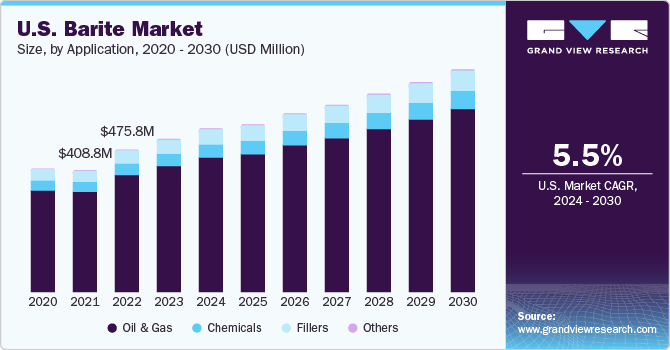
U.S. barite market size, by application, 2018 - 2028 (USD Million)

However, with vaccine roll-out and safety precautions being adhered to by oil and gas producers, the production is gaining pace and with the upcoming investments, the demand for barite is expected to flourish. The U.S. is amongst the leading consumers of barite. The country mainly utilizes the product as a weighting agent in fluids that are used in the drilling of oil and gas. It is also used as an extender and filler in plastic, rubber, and paints. The country consumed around 3 million tons of barite in 2019, of which the majority of the portion was imported.

Gather more insights about the market drivers, restraints, and growth of the Global Barite market

In 2020, most of the mines were idled owing to the COVID-19 pandemic, which impacted barite production. Furthermore, its consumption declined too as the oil and gas industry was negatively impacted on account of various restrictions. Numerous travel restrictions led to the reduced demand for transport fuel, which impacted crude oil production and the need for barite.

With the economic recovery, the production and consumption of oil and gas are expected to rise, thus, benefitting the product demand. For instance, according to the U.S. Energy Information Administration, around 98.8 million barrels/day of liquids and petroleum were consumed in July 2021, which was an increase of 6 million barrels/day compared to July 2020.

Being a drilling fluid, the number of rigs has a major impact on barite consumption. In the second week of August 2021, the rig count for the U.S. increased by 9, reaching 500. On a year-on-year basis, the rig count is up by 256 units compared to 244 units working last year. The rise in drilling rig counts is expected to benefit the market growth.

Browse through Grand View Research's Advanced Interior Materials Industry Research Reports.

Metals In Electric Vehicle Charging Infrastructure Market - The global metals in electric vehicle charging infrastructure market size was valued at USD 1.4 billion in 2021 and are expected to expand at a compound annual growth rate (CAGR) of 28.2% from 2022 to 2030.

Zeolite Market - The global zeolite market size was valued at USD 12.6 billion in 2021 and is expected to expand at a compound annual growth rate (CAGR) of 6.2% from 2022 to 2030.

Barite Market Segmentation

Grand View Research has segmented the global barite market on the basis of application and region:

Barite Application Outlook (Volume, Kilotons; Revenue, USD Million, 2017 - 2028)

  • Oil & Gas
  • Chemicals
  • Fillers
  • Others

Barite Regional Outlook (Volume, Kilotons; Revenue, USD Million, 2017 - 2028)

  • North America
  • Europe
  • Asia Pacific
  • Central & South America
  • Middle East & Africa

Market Share Insights:

April 2021: CIMBAR Performance Minerals acquired the U.S. Barite and Alumina Trihydrate manufacturing assets and business of TOR Minerals. The acquisition aims at broadening CIMBAR’s portfolio and increasing its customer reach across multiple locations.

Key Companies profiled:

Some prominent players in the global Barite market include

  • Andhra Pradesh Mineral Development Corporation Ltd.
  • Ashapura Group
  • Excalibur Minerals LLC
  • P & S Barite Mining Co. Ltd.
  • Schlumberger Limited

Order a free sample PDF of the Barite Market Intelligence Study, published by Grand View Research.
Epoxy Composite Market Application, Profit Margin Analysis and Business Environment Study

Epoxy Composite Industry Overview

The global epoxy composite market size was valued at USD 28.40 billion in 2020 and is expected to grow at a compound annual growth rate (CAGR) of 8.3% from 2021 to 2028. Rapid replacement of conventional materials in automotive and aerospace applications is expected to drive the market in the coming years. The global market was severely affected due to the COVID-19 pandemic in 2020. The lockdown strategies imposed by various governments across the globe, to curb the spread of the virus, halted the production activities for a brief period in 2020. This, in turn, dented the product demand in several industries, especially in the automotive and aerospace sectors. In addition, the lockdown strategies restricted transportation; thus, creating a global supply chain disruption.

U.S. epoxy composite market size, by fiber type, 2018 - 2028 (USD Billion)

These trends also led to a shortfall in product supply, thereby, affecting the overall market growth. Epoxy composites have gained popularity in sports and consumer goods applications because of their low weight, high strength, large degree of freedom of design, and easy processing & forming characteristics. These are increasingly employed in applications, such as tennis rackets, golf clubs, bikes, hiking, skis, surfboards, table tennis boards, badminton rackets, fishing rods, baseball bats, hockey sticks, sports vehicles, and footwear.

Gather more insights about the market drivers, restraints, and growth of the Global Epoxy Composite market

Most of the key market players, such as Cytec Industries, Toray Industries, Hexcel, and Hyosung, are integrated across the value chain ranging from raw material supply to CFRP distribution. A high level of integration enables companies to cut down the costs associated with raw material procurement and helps increase market share with the development of specialty products.

Several key companies in the market, such as Teijin, Huntsman, Olin Corp., and Solvay, are working on the development of automated processes to minimize production time and enhance profitability. In addition, several manufacturers are making heavy investments in research and development activities for the expansion of the application scope of their products, thereby widening their customer base.

Browse through Grand View Research's Specialty Glass, Ceramic & Fiber Industry Research Reports

Antibacterial Glass Market - The global antibacterial glass market size was valued at USD 205.6 million in 2019 and is anticipated to grow at a compound annual growth rate (CAGR) of 7.6% from 2020 to 2027.

Platinum Market - The global platinum market size was valued at USD 6.51 billion in 2019 and is expected to register a compound annual growth rate (CAGR) of 5.0% from 2020 to 2027.

Epoxy Composite Market Segmentation

Grand View Research has segmented the global epoxy composite market on the basis of fiber type, end-use, and region:

Epoxy Composite Fiber Type Outlook (Revenue, USD Million, 2017 - 2028)

  • Glass Fiber
  • Carbon Fiber
  • Other Fibers

Epoxy Composite End-use Outlook (Revenue, USD Million, 2017 - 2028)

  • Automotive & Transportation
  • Aerospace & Defense
  • Wind Energy
  • Electrical & Electronics
  • Sporting & Consumer Goods
  • Other End-uses (Oil & Gas, Marine, Construction)

Epoxy Composite Regional Outlook (Revenue, USD Million, 2017 - 2028)

  • North America
  • Europe
  • Asia Pacific
  • Central & South America
  • Middle East & Africa

Key Companies profiled:

Some prominent players in the global Epoxy Composite market include

  • Teijin Ltd.
  • Toray Industries, Inc.
  • Huntsman Corp. LLC
  • SGL Carbon
  • Hexcel Corp.
  • Solvay
  • Park Aerospace Corp.
  • Arkema
  • Avient Corp.
  • Olin Corp.

Order a free sample PDF of the Epoxy Composite Market Intelligence Study, published by Grand View Research.
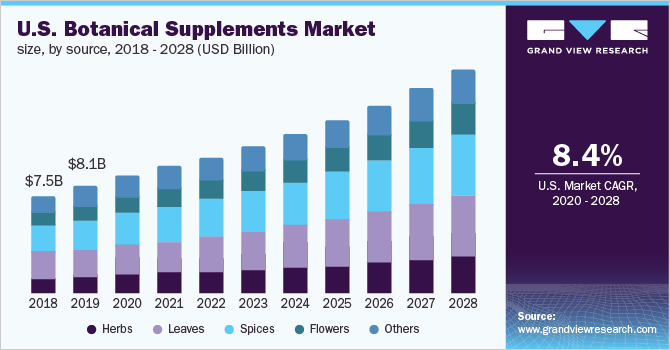
Botanical Supplements Market Factors Affecting Buying Decision and Consumer Behaviour Analysis

Botanical Supplements Industry Overview

The global botanical supplements market size was valued at USD 27.47 billion in 2020 and is expected to expand at a compound annual growth rate (CAGR) of 9.1% from 2020 to 2028. The market is expected to grow exponentially as different producers continue to innovate on the production of botanicals with a broad range of amino acids and aim for specific functions, such as weight loss and muscle repair. Rising health consciousness increased concerns over diet, and enhanced care towards preventive healthcare have made consumers turn towards health imparting herbal supplements.

Several manufacturers come out with alternative therapies to relieve women from frequent problems such as insomnia and menopausal hot flashes. Herbal offerings such as fish oils, detoxes, and probiotic drinks, and other herbal supplements are on the rise. Consumers becoming comfortable with supplementation, high-income levels, and world-class infrastructure for sports and fitness are expected to fuel the demand for botanical supplements.

Gather more insights about the market drivers, restrains and growth of the Global Botanical Supplements market

Sports nutrition and health markets are rife with ingredients that can assist various aspects of athletic performance. Several factors of athletic training can be benefited by these herbal ingredients for athletes who are looking to improve their performance. Moreover, the presence of key players such as GlanbiaPlc, Blackmores Limited, and The Himalaya Drug Company and mass retailers such as Walmart that are offering their private labeled botanical supplements is expected to benefit the market growth.

The consumption of herbal supplements in the U.S. is driven mostly by growing awareness regarding preventive health and immunity-boosting products, according to a new survey by Nutritional Outlook. During the COVID-19 pandemic, it is observed that immunity moved to third place, after overall wellness/disease prevention and gut/digestive health. Consumers are becoming more conscious about preventive health care.

U.S. botanical supplements market size, by source, 2018 - 2028 (USD Billion)

Consumers have been advised by the governments and health bodies to use various herbal supplements incorporating health-beneficial ingredients such as turmeric/curcumin, fenugreek, and Tinosporacordifolia to boost their immunity against various infections. Furthermore, the COVID-19 pandemic has encouraged the consumers for dietary changes, and a majority of the consumers are opting for herbal supplements owing to their high health benefits and lesser side effects. On the back of these factors, the global market has witnessed exponential growth during the COVID-19 pandemic.

The U.S. has witnessed increasing demand for herbal supplements over the past few years owing to the growing awareness among consumers regarding the medicinal properties and health benefits of herbal supplements. The American Botanical Council stated that sales of ashwagandha in 2018 grew in both the U.S. natural retail and mainstream channels. Moreover, ashwagandha was known as the seventh bestselling botanical supplement in the U.S. natural channel, rising with a 16.9% year-0n-year growth rate. In addition, it has been among the primary 40 top-selling ingredients in natural and herbal retail stores since 2015.

Browse through Grand View Research's Nutraceuticals & Functional Foods Industry Research Reports

Prebiotic Ingredient Market - The global prebiotic ingredient market size was valued at USD 6.7 billion in 2021 and is expected to expand at a compound annual growth rate (CAGR) of 10.7% from 2022 to 2028.

Lipid Market - The global lipid market size was estimated at USD 7.23 billion in 2021 and is expected to expand at a CAGR of 8.8% from 2022 to 2028.

Botanical Supplements Market Segmentation

Grand View Research has segmented the global botanical supplements market on the basis of source, form, application, distribution channel, and region:

Botanical Supplements Source Outlook (Revenue, USD Million, 2017 - 2028)

  • Herbs
  • Leaves
  • Spices
  • Flowers
  • Others

Botanical Supplements Form Outlook (Revenue, USD Million, 2017 - 2028)

  • Powder
  • Liquid
  • Tablets
  • Capsules
  • Gummies
  • Others

Botanical Supplements Application Outlook (Revenue, USD Million, 2017 - 2028)

  • Energy & Weight Management
  • General Health
  • Bone & Joint Health
  • Gastrointestinal Health
  • Immunity
  • Cardiac Health
  • Diabetes
  • Anti-cancer
  • Others

Botanical Supplements Distribution Channel Outlook (Revenue, USD Million, 2017 - 2028)

  • Offline
  • Online

Botanical Supplements Regional Outlook (Revenue, USD Million, 2017 - 2028)

  • North America
  • Europe
  • Asia Pacific
  • Central & South America
  • Middle East & Africa

Key Companies profiled:

Some prominent players in the global Botanical Supplements market include

  • Dabur India
  • NBTY Inc.
  • Ricola AG.
  • Mondelez International
  • Procter and Gamble
  • Nutraceutical International Company
  • BASF SE
  • The Himalaya Drug Company
  • Glanbia Nutritionals
  • Botanicalife International of America, Inc.
  • Blackmores Limited

Order a free sample PDF of the Botanical Supplements Market Intelligence Study, published by Grand View Research.

Aerial Work Platform Market Raw material Outlook, PESTEL Analysis and Type Estimates

Aerial Work Platform Industry Overview

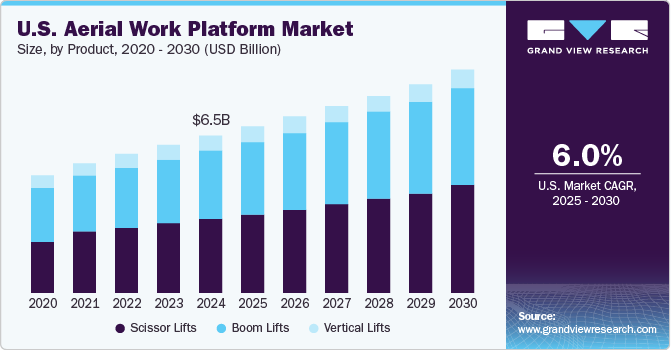
The global aerial work platform market size was valued at USD 15.64 billion in 2020 and is expected to expand at a compound annual growth rate (CAGR) of 6.3% from 2020 to 2028. Increasing government investments in constructing residential buildings, commercial complexes, public transport infrastructure, and others are expected to propel the demand for aerial work platform (AWP) over the forecast period. The demand for AWP witnessed a serious disruption owing to the unprecedented effect from the global pandemic in the majority of its end-use industries, such as construction and transportation & logistics. The aforementioned industries have witnessed several obstacles, such as contract cancellation, project delay, supply-chain disruption, closure of various construction sites due to imposed lockdown across the globe to break the transmission chain of the virus.

Gather more insights about the market drivers, restraints, and growth of the Global Aerial Work Platform market

The outbreak of the COVID-19 in 2020 had resulted in a temporary closure of many construction sites, and other industrial facilities, in the U.S. to break the transmission of the virus among workers. However, the government invested heavily in the construction of various modular hospitals and other medical facilities, for improvement and expansion of the healthcare system in the country, thus leading to increased demand for AWPs.

Aerial work platform, also known as Elevating Work Platform (EWP), aerial device, or Mobile Elevating Work Platform (MEWP), provides access to people, equipment, or people with equipment to reach inaccessible areas, especially at remote heights. They are primarily used to access areas of construction and maintenance work in various end-use industries for applications, such as the placement of products and goods and their storage in warehouse units.

U.S. aerial work platform market size, by product type, 2018 - 2028 (USD Billion)

Fully automated warehouses are gaining popularity in various developed countries. These warehouses require the deployment of a large number of single scissor lifts, double scissor lifts, and other lifting tables for product and pellets placement. Massive funding and investment in the construction of warehouse buildings by various e-commerce and logistics companies across the globe are expected to significantly contribute to the overall market growth.

Rising development in urban and rural infrastructure across the globe, coupled with initiatives by various governments to provide technological facilities including electrical utilities and telecommunication, is expected to complement market growth over the forecast period.

Browse through Grand View Research's Advanced Interior Materials Industry Research Reports

Automotive Textiles Market - The automotive textiles market size was estimated at USD 28,919.6 million in 2021 and is expected to expand at a compounded annual growth rate (CAGR) of 3.2% from 2022 to 2030. 

Wood Plastic Composites Market - The global wood plastic composites market size was estimated at USD 5.76 billion in 2021 and is expected to grow at a compound annual growth rate (CAGR) of 11.5% from 2022 to 2030.

Aerial Work Platform Market Segmentation

Grand View Research has segmented the global aerial work platform market on the basis of engine type, product type, end use, and region

AWP Engine Type Outlook (Volume, Units; Revenue, USD Billion, 2017 - 2028)

  • Electric
  • Engine-powered

AWP Product Type Outlook (Volume, Units; Revenue, USD Billion, 2017 - 2028)

  • Scissor Lifts
  • Boom Lifts
  • Vehicle-mounted Platforms
  • Others

AWP End-use Outlook (Volume, Units; Revenue, USD Billion, 2017 - 2028)

  • Rental
  • Construction & Mining
  • Transportation &Logistics
  • Others

AWP Regional Outlook (Volume, Units; Revenue, USD Billion, 2017 - 2028)

  • North America
  • Europe
  • Asia Pacific
  • Central & South America
  • Middle East & Africa

Market Share Insights:

August 2020: Zhejiang Dingli Machinery Co., Ltd. acquired 24% of Trupen’s stock rights. Trupen is one of the leading players engaged in the design, research, development, manufacturing, and sales of spider AWPs.

Key Companies profiled:

Some prominent players in the global Aerial Work Platform market include

  • Terex Corp.
  • MEC
  • JLG Industries
  • Galmon (Singapore)
  • Aichi Corp.
  • EdmoLift AB
  • Wiese USA
  • Linamar Corp.
  • Advance Lifts, Inc.
  • Haulotte Group

Order a free sample PDF of the Aerial Work Platform Market Intelligence Study, published by Grand View Research.

Flooring Adhesive Market Type Estimates, Revenue Drivers and Restraint Analysis

Flooring Adhesive Industry Overview

The global flooring adhesive market size was valued at USD 4.6 billion in 2020 and is expected to expand at a compound annual growth rate (CAGR) of 6.8% from 2021 to 2028. Growing investments in the construction industry, especially in residential and commercial sectors, are projected to boost market growth over the forecast period. The shifting trend toward the renovation of existing buildings owing to increasing disposable income and inclination for aesthetic appearance is propelling the product demand. In addition, government initiatives towards economic recovery are further benefitting the growth of the construction industry and positively influencing flooring adhesives demand.

Gather more insights about the market drivers, restraints, and growth of the Global Flooring Adhesive market

The U.S. is a lucrative market for flooring adhesive and is anticipated to observe high growth in wooden flooring over the coming years. Ease of maintenance, elegant appearance, and high return on investments are factors augmenting the popularity of wooden flooring in the U.S. Houses with wooden flooring can expect a return on investment of 70% to 80% and an increase of 2% to 3% in their costs. Such factors are propelling segment growth.

For instance, in November 2020, AHF Products announced its plan to invest USD 2.5 million in its Somerset facility to introduce a new line of highly durable end-grain hardwood flooring. Growing investments in the manufacturing of flooring indicate its high demand, which is anticipated to positively influence adhesive consumption in the U.S. over the forecast period.

With ease in pandemic-related restrictions, construction spending is witnessing a rise in different parts of the world since the second half of 2020. In an attempt to boost economic recovery, various housing projects are being developed by private investors, as well as government bodies, which are expected to positively influence the growth of the market.

For instance, on January 06, 2021, the state government of Maharashtra in India reduced premium charges by 50% under the new DCPR rule 2034 across the board for ongoing and new construction projects up to December 31, 2021. This move is expected to give a boost to the real estate sector in the state.

Browse through Grand View Research's Advanced Interior Materials Industry Research Reports

Kraft Liner Market - The global kraft liner market size was estimated at USD 38.98 billion in 2021 and is expected to expand at a compounded annual growth rate (CAGR) of 6.9% from 2022 to 2030. 

Ceiling Tiles Market - The global ceiling tiles market size was estimated at USD 6.30 billion in 2021 and is expected to register a compound annual growth rate (CAGR) of 9.3% over the forecast period.

Flooring Adhesive Market Segmentation

Grand View Research has segmented the global flooring adhesive market on the basis of resin, application, end-use, and region:

Flooring Adhesives Resin Outlook (Volume, Kilotons; Revenue, USD Million, 2017 - 2028)

  • Acrylic
  • Polyurethane
  • Polyvinyl Acetate
  • Others

Flooring Adhesives Application Outlook (Volume, Kilotons; Revenue, USD Million, 2017 - 2028)

  • Resilient Flooring
  • Wooden Flooring
  • Laminate Flooring
  • Others

Flooring Adhesives End-use Outlook (Volume, Kilotons; Revenue, USD Million, 2017 - 2028)

  • Residential
  • Commercial
  • Industrial

Flooring Adhesives Regional Outlook (Volume, Kilotons; Revenue, USD Million, 2017 - 2028)

  • North America
  • Europe
  • Asia Pacific
  • Central & South America
  • Middle East & Africa

Key Companies profiled:

Some prominent players in the global Flooring Adhesive market include

  • Bostik
  • Dow
  • Forbo Holdings AG
  • B. Fuller Company
  • Henkel AG & Co. KGaA
  • LATICRETE International, Inc.
  • MAPEI S.p.A
  • PARKER HANNIFIN CORP
  • Pidilite Industries
  • Sika AG

Order a free sample PDF of the Flooring Adhesive Market Intelligence Study, published by Grand View Research.

Natural Oil Polyols Market Revenue Opportunities and Gross Margin Analysis

Natural Oil Polyols Industry Overview

The global natural oil polyols market size was valued at USD 6.80 billion in 2020 and is expected to expand at a compound annual growth rate (CAGR) of 6.6% from 2021 to 2028. The market growth is attributed to the increasing demand for lightweight and highly durable products in industries including automotive, construction, and electronics, especially in emerging economies such as China, India, and Indonesia. The growth of the market is likely to be propelled by the increasing consumption of bio-based polyurethane foams in automotive, construction, electrical and electronics, and other sectors. Regular efforts to reduce vehicle weight to enhance fuel efficiency and reduce carbon emissions have propelled the automotive OEMs to embrace the use of polyurethane foams obtained from natural oils polyol in different automotive components, such as seat covers and interiors.

The growing demand for environmentally-friendly plastic products, coupled with volatile prices of key raw materials used for manufacturing conventional (petrochemicals-based) polyols, is expected to remain a key driving factor for the market. Major petrochemical-based polyol manufacturers such as Cargill Incorporated and BASF have shifted their focus towards manufacturing eco-friendly products in order to reduce reliance on conventional polyols, thus reducing the risks associated with its price volatility.

Gather more insights about the market drivers, restraints, and growth of the Global Natural Oil Polyols market

Increasing environmental concerns, coupled with the volatile prices associated with conventional polyurethane, have spurred the adoption of bio-based polyurethane globally. Favorable regulations for manufacturing bio-based products, coupled with stringent environmental sanctions on petrochemicals and synthetic polymers, are expected to have a positive impact on the bio-based polyurethane market growth.

The growing number of specialty retail shops, salons, spas, online sales platforms, and direct response television platforms, such as the home shopping channels and infomercials, has pushed the personal care product sales in the last few years and this is expected to continue over the forecast period. The growing preference for beauty and skin care products in Germany, India, the U.K., and France is expected to drive the demand for bio-based polyols over the forecast period.

Browse through Grand View Research's Renewable Chemicals Industry Research Reports

Hydroxypropyl Methylcellulose Market - The global hydroxypropyl methylcellulose market size was valued at USD 1.87 billion in 2021 and is expected to expand at a compound annual growth rate (CAGR) of 4.8% from 2022 to 2030.

Hydroxyethyl Cellulose Market - The global hydroxyethyl cellulose market size was valued at USD 813.9 million in 2021 and is anticipated to expand at a compound annual growth rate (CAGR) of 4.5% from 2022 to 2030.

Natural Oil Polyols Market Segmentation

Grand View Research has segmented the global natural oil polyols market on the basis of product, end-use, and region:

 Natural Oil Polyols Product Outlook (Volume, Kilotons; Revenue, USD Million, 2017 - 2028)

  • Soy Oil Polyols
  • Castor Oil Polyols
  • Palm Oil Polyols
  • Canola Oil Polyols
  • Sunflower Oil Polyols

Natural Oil Polyols End-use Outlook (Volume, Kilotons; Revenue, USD Million, 2017 - 2028)

  • Furniture & Interiors
  • Construction
  • Electronics & Electrical Appliances
  • Automotive
  • Footwear
  • Packaging
  • Others

Natural Oil Polyols Regional Outlook (Volume, Kilotons; Revenue, USD Million, 2017 - 2028)

  • North America
  • Europe
  • Asia Pacific
  • Central & South America
  • Middle East & Africa

Key Companies profiled:

Some prominent players in the global Natural Oil Polyols market include

  • Cargill Inc.
  • BASF SE
  • Stepan Company
  • Emery Oleochemicals
  • Vertellus
  • Biobased Technologies

Order a free sample PDF of the Natural Oil Polyols Market Intelligence Study, published by Grand View Research.

Americas Structural Insulated Panel Market Business Drivers, Top Companies and Competitive Analysis

Americas Structural Insulated Panel Industry Overview

The Americas structural insulated panel market size to be valued at USD 4.27 billion by 2028 and is expected to grow at a compound annual growth rate (CAGR) of 7.7% during the forecast period. Increasing adoption of green building standards and growing investments in the renovation of various residential and industrial building structures are anticipated to drive the market. The American construction market, following its recovery, is expected to witness steady growth over the coming years. Favorable regulations for the adoption of building insulation materials for lowering the overall energy consumption coupled with heavy investments in the establishment of cold chain infrastructure are some of the key factors driving the market growth. The U.S. construction industry is experiencing rapid growth on account of a rising number of residential and non-residential renovations and new construction activities.

The rising consumer demand for innovative buildings with modern technologies improved aesthetic appeal, and better energy-efficiency is expected to drive the market growth. The U.S. governments’ initiatives, through the Weatherization Assistance Program (WAP), to promote thermal insulation through federal funding in households and the U.S. Department of Energy’s funding to develop highly insulating phenolic insulation foams are expected to influence the growth positively.

Gather more insights about the market drivers, restraints, and growth of the Americas Structural Insulated Panel market

Structural Insulated Panels (SIPs) are expected to gain traction owing to their several benefits, such as low weight, improved appearance, and high thermal performance. Increasing demand for energy-efficient buildings owing to the stringent government regulations and rising awareness regarding environmental degradation is anticipated to fuel the demand for SIPs over the forecast period.

However, fluctuating raw material prices result in price variations of thermal insulating materials, thus affecting the manufacturers’ profit margins across the value chain. Blowing agents employed in various insulation materials, such as Polyurethane (PU) foams, Expanded Polystyrene (EPS), and Extruded Polystyrene (XPS), contain Greenhouse Gasses (GHG), which causes environmental issues, and thus, are expected to restrain the market growth.

Browse through Grand View Research's Green Building Materials Industry Research Reports

Modular Construction Market - The global modular construction market size was valued at USD 84.4 billion in 2020 and is expected to expand at a compound annual growth rate (CAGR) of 6.4% from 2021 to 2028.

Cross Laminated Timber Market - The global cross laminated timber market size was estimated at USD 955.9 million in 2020 and is expected to expand at a compound annual growth rate (CAGR) of 13.6% from 2021 to 2028.

Americas Structural Insulated Panel Market Segmentation

Grand View Research has segmented the Americas structural insulated panel market on the basis of product, application, and region:

Americas SIP Product Outlook (Volume, Million Square Feet; Revenue, USD Million, 2017 - 2028)

  • Expanded Polystyrene (EPS)
  • Polyurethane
  • Glass Wool
  • Extruded Polystyrene (XPS)

Americas SIP Application Outlook (Volume, Million Square Feet; Revenue, USD Million, 2017 - 2028)

  • Walls & Floors
  • Roofs
  • Cold Storage

Americas SIP Regional Outlook (Volume, Million Square Feet; Revenue, USD Million, 2017 - 2028)

  • North America
  • Central & South America

Market Share Insights:

June 2022: Kingspan announced an investment of 210 million Euros in a Building Technology Campus located in Ukraine. This new plant will manufacture advanced insulation and heating solutions

February 2022: Kingspan Group announced the acquisition of Troldtekt A/S. The development will facilitate Kingspan’s entry into the natural materials space

Key Companies profiled:

Some prominent players in the Americas Structural Insulated Panel market include

  • Kingspan Group
  • Metl-Span
  • Owens Corning
  • Metecno Group
  • KPS Global
  • Isopan
  • PFB Corporation
  • All Weather Insulated Panels
  • Green Span Profiles
  • American Insulated Panel Company
  • American Buildings Company
  • Ingreen Systems Corp.

Order a free sample PDF of the Americas Structural Insulated Panel Market Intelligence Study, published by Grand View Research.

How Innovation is Transforming the Glioblastoma Multiforme Treatment Market

Glioblastoma Multiforme Treatment has always been one of the most challenging areas in oncology due to the aggressive nature of the disease ...