Showing posts with label automotive and parts. Show all posts

Electric Brake Booster Market Segmentation By Type, Regions, End-User and Application Analysis, 2013 - 2028

The global electric brake booster market is set to experience a staggering CAGR by the year 2028. A typical electric brake booster is designed to regulate the amount of pedal pressure required by the driver. Its primary purpose is to enhance passenger safety and driver comfort, which is achieved by a brushless DC (BLDC) motor installed in a vehicle.

“Advanced braking system like “brake assist systems” (BAS) is increasingly becoming common in the modern-day automobile industry.” The growing focus on optimization of combustion engines and vehicle dynamics control system ESC is driving the market progression. However, high capital and investment costs are hampering market growth.
The electric brake booster market split by type includes one-box and two-box. Based on application, the market has been segmented into automobiles, sporty cars, HEV/PHEV, EV, and others. Based on product, the market has been categorized into dual diaphragm booster, single diaphragm booster, and others.

Players are entering into business partnerships with fellow contestants and are significantly investing in innovation strategies, which is estimated to drive the cellular vendors to reach new growth markets. The market participants have identified the major distribution channels, supply chain mechanism, industry cost structure and production capabilities. Considering the changing competitive dynamics and the current scenario of the industry, it has set the electric brake booster market to grow at an exponential rate during the forecast years. Hydro brakes represent the latest development in electric braking systems. A typical hydro brake is compact as it takes less space but can weigh more than any other brake booster setup.

Some of the dominant players operating in this market include Bosch, Denso, Continental, AISIN, and FTE Automotive among others.


The Geographical landscape consists of five major regions of North America, Europe, the Asia Pacific, the Middle East, and Africa, and Latin America. The Asia Pacific region is estimated to witness the highest market share attributed to the rapid industrialization and growing automotive sector across the countries of China, Japan, and India. Also, India and China are keen on incorporating export-oriented standards in order to grab the international attention, which shall be fueling their foreign trades in the upcoming years. The flourishing automobile manufacturing industries, along with the technological advancement across North America and European regions have generated a firm demand for the electric brake booster market. Both gasoline direct injection (GDI) and diesel engines in the European region has generated huge demand for the market.

Key Questions Answered in This Report
• Analysis of the market including revenues, future growth, market outlook
• Historical data and forecast
• Regional analysis including growth estimates
• Analyzes the end user markets including growth estimates
• Profiles on market including products, sales/revenues, and market position
• Market structure, market drivers and restraints

Investors and stakeholders are increasing their spending on research and development activities to scale the latest technologies in their system engineering process. The electric brake booster market is highly consolidated as it is still in its nascent stage. The competitors have showcased their profiles and business strategies, along with their recent developments.

Access Related Category Reports @ https://industriesstudyreport.wordpress.com/

Anchor Handling Tug Supply Vessels Market Size Analysis, Segmentation, and Industry Growth Review, 2018 - 2023

The global anchor handling tug supply vessels market is expected to witness substantial growth in the forecast period due to rise in exploration and production activities in deep waters. Anchor handling tug supply vessels are the huge naval vessels used for towing and tugging ships. They are essentially used for placing the oil rigs in the sea and oceanic areas. The vessels are integrated with the winch (a crane like equipment), attached to the oil rigs and driven in the water. Moreover, anchor handling tug supply vessels are also used to rescue other ships in emergency cases. For instance, if any boat or a ship requires instant handling or tugging or towing, and the anchor handling tug is placed in the oceanic area, it then handles the stranded vessels.

The leading players in anchor handling tug supply vessels market include Havila Shipping, BOURBON, Farstad Shipping, Tidewater, SEACOR Holdings, Swire Pacific Offshore Operations, Eastern Shipbuilding, Bass Marine, Harvey Gulf International Marine, China Oilfield Services, Deep Sea Supply, Intermarine, EMAS Offshore, Halul Offshore Services, and Hornbeck Offshore
.


Gazprom Neft, a leading market player, launched two novel robust icebreaking supply vessels. These vessels play an important role in the crude oil transportation from fields above the Arctic Circle. One of the fields, Novoportovskoye on the Yamal Peninsula, Arctic Circle is an important part of Russian oil producer Gazprom Neft’s plans. Previous year, 9.9M tones oil equivalents were generated from the Arctic field, which was 40 percent more in comparison to the previous year. Since, offering oil to European consumers faced few complex technical and operational challenges, oil is produced at this field is sent through 100 km pipeline to the Arctic Gates station. This is done with the help of 6 particularly designed Arc7 ice-class shuttle tankers that load oil through a single-point mooring system at the station.

On the basis of product, this report displays the production, revenue, price, market share and growth rate of each type, primarily split into
• LNG-fueled Ships
• Diesel-Fueled Ships

On the basis on the end users/applications, this report focuses on the status and outlook for major applications/end users, consumption (sales), market share and growth rate of Anchor Handling Tug Supply Vessels for each application, including
• Oil Rigs
• Emergency Response and Rescue 

Key Questions Answered in this Report
• What will the market size be in 2023?
• What are the key factors driving the market?
• What are the challenges to market growth?
• Who are the key players in the market?
• What are the market opportunities and threats faced by the key players?

Browse Related Category Reports @ https://industriesstudyreport.wordpress.com/

Turbojet Engines Market Growth Challenges, Business Trends, and Industry Outlook, 2018 – 2023

Global turbojet engines market is expected to witness a massive growth in the forecast period. A turbojet is a jet engine, which widely produces a lot of thrust by emitting high energy gas stream from the engine’s impelling nozzle. These turbojet engines are basically airbreathing jet engines that consist of a compressor, inlet for the air, a turbine and a combustion chamber that has the ability to drive the compressor in a great force.


The market is segmented based on the product, application, and region:

On the basis of product
• Low Thrust Turbojet Engine
• High Thrust Turbojet Engine

On the basis of the end users/applications
• Civil Aircraft
• Military Aircraft

On the basis of region
• North America (United States, Canada and Mexico)
• Europe (Germany, France, UK, Russia and Italy)
• Asia-Pacific (China, Japan, Korea, India and Southeast Asia)
• South America (Brazil, Argentina, Columbia)
• Middle East and Africa (Saudi Arabia, UAE, Egypt, Nigeria and South Africa)

Some of the prominent key players profiled in the turbojet engines market report are Kawasaki Heavy Industries, GE Aviation, Safran, Chrysler, Pratt & Whitney, Hindustan Aeronautics, Lockheed Martin, Rolls-Royce, CFM International, Dongan Engine Manufacturing and Aeroengine Corporation of China. All the leading companies are including mergers and acquisitions, partnerships and joint ventures to enhance the growth of the market efficiently.


Turbojet engines offer significant advantages such as Wankel engines, piston engines over any other engine technologies. The technology used in the turbojet engines does not have any substitute due to the myriad advantages that it offers. Moreover, it provides higher speed and better performance compared to the other counterparts. Apart from this, the market has been witnessing a steady rise in air traffic and improvisation in the standard of living in developing countries, which is boosting the demand for new aircraft. All these dynamics are helping the turbojet engines market to grow tremendously in the current scenario.

Key Questions Answered in this Report
• What will the market size be in 2023?
• What are the key factors driving the global turbojet engines market?
• What are the challenges to market growth?
• Who are the key players in the turbojet engines market?
• What are the market opportunities and threats faced by the key players?

Browse Related Category Reports @ https://industriesstudyreport.wordpress.com/

Constant Velocity Joint Market Worldwide Opportunities, Prominent Players, and Growth Rate, 2022

The global constant velocity joint market is expected to grow at a significant CAGR of 7.68% in the upcoming period. A power transmission coupling is to diffuse the torque from driving shaft to output shaft within a particular speed. There needs to be a coupling between variety of driven elements such as gear reducers, lead screws and a set of other components supported by multiple bearings. This enables the shafting to offer rigidity while rotation and preventing any misalignment problems.

Constant velocity joint market is driven by rise in sales of passenger vehicle on a global scale. Increase in sales of luxury cars, SUV’s and hatchbacks are likely to drive the market growth during the forecast period. Increase in construction activities across the globe followed by rise in logistics is likely to propel the market growth during the forecast period. Rise in reduction of greenhouse gas emission, emphasis on customer satisfaction are major factors responsible for the market growth during the forecast period.

Based on joint type, the constant velocity joint market is segmented as tracta joints, double coupling, rzeppa joints and thomson coupling. Vehicle type segmentation for the market comprises passenger car, HCV and LCV. Application category for the market is segmented as logistics, commercial, defense and aviation.

Key Vendors
• AAM
• GKN
• Hyundai Wia
• NTN
• Wanxiang Qianchao

European regions account for a significant market share owing to massive size of logistics and transportation industry. Asia-Pacific market is anticipated to grow at an exponential CAGR due to rise in sales of premium vehicles and increase in spending power of consumers. 


Geographical segmentation for constant velocity market spans North America, South America, Europe, Asia-Pacific, Middle East and Africa. North America is anticipated to grow at a higher CAGR during the forecast period owing to rising awareness for environment safety and revenue generation.

European regions account for a significant market share owing to massive size of logistics and transportation industry. Asia-Pacific market is anticipated to grow at an exponential CAGR due to rise in sales of premium vehicles and increase in spending power of consumers. The key players profiled in the constant velocity joint market report are American Axle & Manufacturing Holdings Inc, SKF, IFA Rotorion, NTN Corporation, Shandong Huifeng Wanxiang Qianchao Co Ltd, Taizhou Hongli Automobile Parts Co Ltd, Nexteer Automotive, ZWZ, Nanyang Automobile & Co Ltd and Wanxiang Qianchao Co Ltd.

Key Questions Answered in this Report
• What will the market size be in 2022?
• What are the key factors driving the global constant velocity joint market?
• What are the challenges to market growth?
• Who are the key players in the constant velocity joint market?
• What are the market opportunities and threats faced by the key players?

Browse Related Category Reports @ https://industriesstudyreport.wordpress.com/

Automobile Fuel Tanks Market Growth Driving Factors and Business Opportunities, 2023

The global automobile fuel tanks market is expected to display higher growth rate in the upcoming years owing to the robust growth automotive industry in North America and Asia pacific region. Rising sales of sports, utility, and luxury vehicles is anticipated to boost market growth over the forecast period. Increasing demand from heavy-duty vehicles that increasingly utilized for farming & building activities coupled with rising population levels across the globe are expected to foster market demand in the near future. 

Global Automobile Fuel Tanks market end users/applications:
• Commercial Vehicles
• Passenger Vehicles

Global Automobile Fuel Tanks market competition by top manufacturers:
• Inergy
• Kautex
• TI Automotive
• Yachiyo
• Hwashin
• YAPP
• Martinrea
• Suguang
• Luzhou North Chemical

Globally, market is predicted to generate massive revenue over the forecast period, providing numerous opportunities for industry participants to invest in research and development of automobile fuel tanks market.


The automobile fuel tank market is broadly categorized into two major segments based on the product type such as metal fuel tanks and plastic high-density polyethylene (HDPE) fuel tanks. Metal fuel tanks segment is growing rapidly in the market with substantial revenue generation in the last few years. Growing popularity of metal fuel tanks segment is attributed to the increasing product penetration in the global market.

The automobile fuel tank market is divided by region as North America, Europe, Asia-Pacific, Latin America and Africa. North America has shown major growth in the recent years owing to the rise in implementation of latest technologies in automotive sector, surge in number of research & development activities and existence of well-established industrial infrastructure in the region. In European region, Germany, France, and United Kingdom are projected to witness steady growth over the coming years.

Asia-Pacific region is estimated to hold a major share in the automobile fuel tanks market with massive growth in the forecast period. Countries such as India, China and Singapore are leading the Asia-Pacific market with robust growth automotive industry, rising personal disposable income, higher demand for luxury vehicles, and significant investment by leading industry players considering potential growth opportunities in the region.

Browse Related Category Reports @ https://industriesstudyreport.wordpress.com/blog/

Keyless Vehicle Access Control Systems Market Key Players Analysis and Competitive Strategies, 2023

The global keyless vehicle access control systems market is estimated to develop by a substantial CAGR for the duration of the prediction. The keyless vehicle access control system is an entirely automatic arrangement encompassing a feature of an electronic lock up. This safeguards admittance to the automobile by electronic means and replaces the conservative mechanical key. This arrangement operates on a sum of small frequency transferring antennae positioned exterior along with interior portion of the automobile.


Global Keyless Vehicle Access Control Systems market competition by top manufacturers, with production, price, revenue (value) and market share for each manufacturer; the top players including
• Alps Automotive Inc
• TRW Automotive Holdings Corporation
• Calsonic Kansei Corporation
• Lear Corporation
• Delphi Automotive LLP
• Mitsubishi Electric Group
• Atmel Corporation
• Valeo S.A.

Request Free Sample copy to access the full list of key players: https://www.millioninsights.com/industry-reports/keyless-vehicle-access-control-system-market/request-sample

Geographically, this report is segmented into several key Regions, with production, consumption, revenue (M USD), market share and growth rate of Keyless Vehicle Access Control Systems in these regions, from 2012 to 2023 (forecast), covering:

• North America (United States, Canada and Mexico)
• Europe (Germany, France, UK, Russia and Italy)
• Asia-Pacific (China, Japan, Korea, India and Southeast Asia)
• South America (Brazil, Argentina, Columbia)
• Middle East and Africa (Saudi Arabia, UAE, Egypt, Nigeria and South Africa)

By the source of geography, the area of Europe detained the biggest stake in the international market of keyless vehicle access control systems products. The area of North America and Japan are tracking the area of Europe. The report revises Trades in terms of intake of Keyless Vehicle Access Control Systems in the market. Particularly in the areas of North America, Europe, Asia Pacific, Central & South America and Middle East & Africa. It concentrates on the topmost companies operating in these areas and the nations. With reference to Trades, Price, Profits and Market stake for respective competitor in these areas.

This Research Report also includes: 
• Type Overview
• Application Overview
• Development Trend
• Upstream Source, Technology and Cost
• Channel Analysis
• Consumer Analysis

Browse Related Category Reports @ https://industriesstudyreport.wordpress.com/blog/

Gasoline Engine Management Systems Market Global Demand, Business Opportunities, and Forecast, 2023

Global gasoline engine management systems market is anticipated to witness exponential growth in the forecast period. Gasoline engine management system constitutes the dynamic parts of a vehicle mainly responsible for controlling the amount of fuel being injected and regulated for ignition timing.

Factors, such as developments in the vehicle performance, stringent emission and fuel economy standards, technological advancements in the engine management systems and increasing demand for gasoline engine management vehicle and increasing production of the vehicle are likely to drive the gasoline engine management system market in the forthcoming period. On the other hand, the high cost of the system is anticipated to hinder the market growth in the future. However, increasing focus on research activities and developments in this field are likely to create lucrative opportunities for the market. Globally, market is anticipated to expand at a significant CAGR in the upcoming period as the scope, product types, and its applications are increasing across the globe.

Key players operating in the gasoline engine management systems market include:
• Delphi
• Denso
• Robert Bosch
• Continental
• Hitachi Automotive
• Sensata Technologies
• NGK Spark Plug
• Sanken Electric
• Hella KgaA Hueck
• Haltech Engine Management Systems
• M-Tech Automotive
• Lucas Electrical

Gasoline engine management system market could be explored by product type, application, distribution channel, and geography. The market could be explored by product type as Air Mass Flowmeters, Electric Fuel Pumps, Oxygen Sensors, ignition Coil, Engine Electronic Control Units and Others.

Get Absolutely free sample copy of this report with Manufacturers, Regions, Type and Application Overview @
https://www.millioninsights.com/industry-reports/gasoline-engine-management-systems-market/request-sample

The key applications that could be explored in the gasoline engine management systems industry include Heavy Commercial Vehicle, Passenger Vehicle and Light Commercial Vehicle. The “Passenger Vehicle” segment accounted for a prominent share in the market. It is likely to witness substantial growth in the years to come. The key factor that could be attributed to the growth of market include increase in vehicle sales.
The market could be explored based on distribution channel as Offline and Online distribution. The “Offline Distribution” segment accounted for a prominent share in the market. It is likely to witness substantial growth in the years to come.

Gasoline Engine Management Systems Market Regional Analysis Covers the following Regions and Countries:

• North America (United States, Canada and Mexico)
• Europe (Germany, France, UK, Russia and Italy)
• Asia-Pacific (China, Japan, Korea, India and Southeast Asia)
• South America (Brazil, Argentina, Columbia)
• Middle East and Africa (Saudi Arabia, UAE, Egypt, Nigeria and South Africa)

Browse Related Category Reports @ https://industriesstudyreport.wordpress.com/blog/

Electric Vehicle DC-DC Converter Market Growth Drivers and In-depth Research Report, 2022

Global electric vehicle DC-DC converter market is expected to grow at a significant CAGR of 29% in the upcoming period as the scope and its applications are rising enormously across the globe. Electric vehicle DC-DC converter is the power converters that converts a source of direct current (DC) from one voltage level to another by storing the input energy temporarily and then releasing that energy at a different voltage. The storage may be electric field storage components like capacitors or magnetic field storage components like transformers and inductors.

The factors that are playing a major role in the growth of electric vehicle DC-DC converter market are growing population using an electric vehicle, rising concern regarding environmental pollution, and growing government initiative by offering several subsidies on electric vehicles. However, the lack of public charging stations and lack of standardization may restrain the overall market growth in the years to come. The market is segmented based on type, product type, application, and region.

Bidirectional and unidirectional converters are the types that are explored in the market. Bidirectional converter sector accounted for the substantial share of electric vehicle DC-DC converter market and is estimated to lead overall market in the years to come. The reason could be the rising use in applications like regenerative braking by moving power in either direction.


Isolated converters, non-isolated converters, multi quadrant DC-DC converters I, multi quadrant DC-DC converters II, and other product types are explored in the market. The market is categorized based on applications like commercial vehicles, passenger cars, and others. Commercial vehicles sector comprises heavy and light commercial vehicles. Passenger cars sector accounted for significant share of electric vehicle DC-DC converter market and is estimated to continue its dominance in the years to come.

Globally, Asia Pacific accounted for the substantial share of the market and is estimated to lead the overall market in the years to come. The reason behind the overall market growth could the growing population preferring electric vehicles, rising government initiative by offering subsidies, rising concern regarding air pollution, and increasing disposable income.

Europe and North America are also estimated to have a positive influence on future growth. Europe is the second largest region with significant market share. However, North America is estimated to grow at the highest CAGR in the forecast period.

The key players of electric vehicle DC-DC converter market are Texas Instruments, Shinry Technologies, Hangzhou EV-Tech, Valeo, Shenzhen Vmax Power, Bosch, Shenzhen VAPEL, Delta Electronics, and Shijiazhuang Tonhe Electronics. These players are concentrating on inorganic growth to sustain themselves amidst fierce competition.

Browse Related Category Reports @ https://industriesstudyreport.blogspot.com/

Automotive Thermal Systems Market Analysis, Growth, and Forecast Report, 2018 - 2023

The global automotive thermal systems market is expected to display higher growth rate over the coming years. Rapid surge in automotive thermal system market is credited to the robust growth automotive industry in North America and Asia pacific region. Rising of sports, utility, and luxury vehicles is anticipated to boost market growth over the forecast period. Increasing demand from heavy-duty vehicles that increasingly utilized for farming & building activities coupled with rising population levels across the globe are expected to foster market demand in the near future.

Growing competition in automotive sector with substantial increase in the number of automotive original equipment manufacturers (OEMs), dealers and additional stakeholders inside the supply chain are anticipated to drive market growth in the upcoming years. Furthermore, rising demand for luxury and high-tech vehicles is expected to propel the market growth in the forecast period.

The adoption of modern-day electronic technologies and devices has made the automotive systems more reliable, accurate, and fuel-efficient. Globally, automotive thermal systems market is predicted to generate massive revenue over the forecast period, providing numerous opportunities for industry participants to invest in research and development of automotive thermal systems.

Implementation of stringent laws & regulation regarding pollution and development of emission norms coupled with increasing global warming is further fostering market growth over the coming years. Automotive thermal system controls the temperature of prime vehicle components via limiting fluctuations and monitoring engine block temperature. Introduction of automotive heating and ventilation systems is estimated to favor industry expansion over the next seven years.


The automotive thermal systems market is broadly categorized into major segments based on the components type such as powertrain cooling, HVAC, fluid transport and compressor. Powertrain cooling segment is growing rapidly in the market with substantial revenue generation in the last few years.

The market is divided by region as North America, Europe, Asia-Pacific, Latin America and Africa. North America has shown major growth in recent years owing to the rise in implementation of latest technologies in automotive sector, surge in number of research & development activities and existence of well-established industrial infrastructure in the region. In European region, Germany, France, and United Kingdom are projected to witness steady growth.

Asia-Pacific region is estimated to hold a major share in the automotive thermal systems industry with massive growth in forecast period. Countries such as India, China and Singapore are leading the Asia-Pacific market with robust growth automotive industry, rising personal disposable income, higher demand for luxury vehicles, and significant investment by leading industry players considering potential growth opportunities in the region.

The key players in the automotive thermal systems market are Gentherm Inc., Mahle GmbH, Denso Corp., Behr GmbH & Co., KG, Valeo Group, Grayson Thermal Systems Corp., Sanden Corp., United Technologies Corp., Diakin Industries Ltd., Visteon Corp., Calsonic Kansei Corp., Modine Manufacturing Co., and Lennox International, Inc.

Browse Related Category Reports @ https://industriesstudyreport.blogspot.com/

Automotive Fastener Market Size Estimation, Growth Rate, and Future Trends, 2013 - 2028

Global automotive fastener market is expected to grow at a significant CAGR in the upcoming period as the scope and its applications are rising enormously across the globe. The automotive fastener is the mechanical parts that allow binding two or more parts of the vehicle.

The factors that are playing a major role in the growth of the market are the rising use of enhanced technology, the rise in global automotive companies, and the new trends and developments in automotive fastener sector. However, the emergency of substitutes for automotive fasteners may restrain the overall market growth in the years to come. Automotive fastener market is segmented based on product type, characteristics, material type, vehicle type, electric vehicle type, application, and region.

Non-threaded and threaded are the product types that could be explored in the market in the forecast period. Based on the characteristics, semi-permanent fasteners, removable fasteners, and permanent fasteners could classify automotive fastener market in the forecast period. Removable fasteners sector accounted for the significant share of the market and is estimated to continue its dominance in the years to come. The reason could be its long life and are reusable, and allows the parts to be disconnected easily without any damage.

Plastic, stainless steel, brass, iron, aluminum, bronze, and nickel are the material types that could be explored in the market in the forecast period. The plastic sector is estimated to grow at the highest CAGR in the years to come.


Heavy commercial vehicle (HCV), passenger car (PC), and light commercial vehicle (LCV) are the vehicle types that could be explored in automotive fastener market in the forecast period. The passenger car sector accounted for the significant share of the market and is estimated to lead the overall market in the years to come. The reason could be the rising demand for lightweight fasteners, increasing disposable income, and the government initiative for fuel emission and economy reduction. Based on the electric vehicle types, plug-in hybrid electric vehicle (PHEV), battery electric vehicle (BEV), and hybrid electric vehicle (HEV) could classify automotive fastener in the forecast period. The market may be categorized based on the applications like interior trim, engine, front/rear axle, chassis, steering, transmission, and others that could be explored in the forecast period. The interior trim sector accounted for the significant share of the market in terms of value and is estimated to lead the overall market
in the years to come.

Globally, Asia Pacific accounted for the significant share of the automotive fastener industry and is estimated to lead the overall market in the years to come. The reason behind the overall market growth could be the rise in the sale of vehicles, the growing production of vehicles, and the high demand from the end-users. The developing countries like India and China are the major consumers of the automotive fastener in this region.

The key players of automotive fastener market are Nipman Fasteners, Sundram Fasteners Limited, Meidoh Co. Ltd., ITW, Kamax, LISI Group, SFS Group AG, Shanghai Prime Machinery Company Limited, Stanley Black & Decker, and Bulten Ab. These players are concentrating on inorganic growth to sustain themselves amidst fierce competition.

Browse Related Category Reports @ https://industriesstudyreport.blogspot.com/

Automotive Safety System Market Overview by Top Companies, Type, and Region, 2018 - 2023

Global automotive safety system market is anticipated to lead the market due to high demand for passenger vehicles. Automotive safety system is the inbuilt safety solution like good braking system and steering that help avoid road mishaps. This system may be activated by a computer or human. It is less in noise level inside the automobile, better visibility from the driver’s seat, early caution for severe braking ahead, anti-lock brake system, quality chassis assist and grip, collision avoidance and traction control.

The key drivers of automotive safety system market include rise in government initiatives for the adoption of safety systems, increase in demand for autonomous automobile, passenger cars and electric vehicles and rise in disposable income of consumers on the global scale. Additionally, improved automotive infrastructure and lifestyle of consumers is also propelling the demand for automotive safety system, thereby fuelling the market. Nevertheless, software failures in most applications, rise in number of security threats and significant cost of vehicles are hampering the market growth.

Increase in research and development efforts by OEMs to active safety systems is an emerging trend in the market. Nonetheless, rise in number of safety solutions in automobiles is expected to challenge the automotive safety system market. Innovative automotive safety features, such as blind spot detection, lane departure warning systems, or other enhanced driver assistance systems add to the overall vehicle cost.

Market is categorized on the basis of products, type of vehicle, safety system, and geography. On the basis of products, market is divided into sensors and systems. Sensors segment is predicted to lead the market in the forecast period due to the rising focus on improving accuracy of the sensors. Moreover, increase in investment in sensors by major market players is also driving the growth of the segment.


Based on vehicle type, automotive safety system market is bifurcated into mid-priced cars, luxury cars, and economy cars. Luxury cars segment is expected to lead the market in the coming years owing to the enhancements in auto driving and high demand for premium safety solutions for automobiles. Safety solutions reduce injury or death rate due to road mishaps, which is stimulating manufacturers to install safety solutions.

In terms of safety system, market is split into active safety systems and passive systems. Active safety system is further divided into blind spot detection, drowsiness monitoring system, e-call telematics, active cruise control, head-up display, park assist, night vision system, tire-pressure-monitoring, lane departure warning system, and others. Passive safety system is also classified into seatbelt, electronic control unit steering wheel, airbag, and others. At present, passive safety system segment leads the market due to improvements in the products.

Geographically, automotive safety system industry is segmented as North America, Latin America, Europe, Asia Pacific, and Middle East & Africa. Europe is predicted to dominate the market in the forecast period due to heavy investments in the domain for the introduction of quality solutions. North America and Asia Pacific regions are also expected to lead the market due to enhancements in technology and awareness for automotive safety solutions, respectively.

The key players in automotive safety system market comprise Magna, Denso Corporation, Robert Bosch GmbH, Continental AG, Autoliv AB, Delphi Automotive, Takata Corporation, and ZF TRW Automotive Holdings Corp., Ficosa International S.A., Borg Warner Inc., and PSA Peugeot Citroen.

Browse Related Category Reports @ https://industriesstudyreport.blogspot.com/

Automotive Gear Shifter Market Competitive Landscape, Business Opportunities, and Industry Size, 2028

The global automotive gear shifter market is anticipated to grow at a higher CAGR during the forecast period. Automotive gear shifters are required to match engine power with the change in drive power under dynamic conditions. In addition, a gear shift is expected to be constant with the vehicle so that it remains prepared for the next gear shift. Hence, an optimal conversion of engine power plays a vital role in enhancing the driving conditions and fuel economy. Moreover, gear shift strategies are relatively necessary in order to deal with gear shift, engine start, clutch slip and their effect on gear control/shift.

With the rising change in technology marked by tremendous developments in electronics and electro-mechanical components, the automotive transmissions are leaping towards enhancing fuel economy and gear shift comfort.
Automotive gear shifter market is driven by growth in automotive industry and vendor emphasis on electronic replacement with an objective to enhance efficiency of transmission system to change the speed of changing gears. 

Rise in disposable income followed by growing awareness in the vehicle occupants and rise in use of electronics in vehicles propels the market growth. In addition, increase in demand for mid-size and luxury vehicles in the recent years is more likely to trigger the market growth.


Geographical segmentation for automotive gear shifter industry spans North America, South America, Europe, Asia-Pacific, Middle East and Africa. Asia-Pacific regions are more likely to encounter a higher CAGR during the forecast period on the grounds of tremendous demand by consumers for automobile, which in turn has helped the market growth.

North American and European markets have resulted in a higher CAGR during the estimated period owing to presence of automobile OEMs and automotive component suppliers in the region. The key players profiled in automotive gear shifter market report are Kongsberg, Tokai Rika, Fuji Kiko, DSM, ZF Friedrichshafen, Eissmann, ZF TRW, Aisin AI, Ficosa, Ningbo Gaofa, Sapura and PT. Astra.

Browse Related Category Reports @ https://industriesstudyreport.blogspot.com/

Diesel Fuel Injection Systems Market Growth, Development Strategies, and Future Trends Analysis, 2028

Global diesel fuel injection systems market is expected to witness substantial growth in the forecast period owing to the growth in sales of automobile segment. Diesel fuel injection system supplies fuel into engine cylinders. It accurately controls the injection timing, atomization of the fuel, and other parameters associated with fuel injection. Different types of injection systems are available depending on the requirement. The most enhanced injection systems potentially reach high injection pressures and use mature electronic control techniques.

The key drivers of diesel fuel injection systems market include rise in technological advancements for improving fuel efficiency and economy of the engine, increase in spending power of consumers, increase in demand for automobile and improving standard of living on the global scale. Furthermore, capability of diesel fuel injection systems to adapt with other fuel necessities and improve vehicle mileage is also driving the growth of the market. Nevertheless, strict government policies for electric vehicles and growing focus of manufacturers on using electrical vehicles curbs the market demand for diesel fuel injection system market.

Growing adoption of technology and improvements in fuel injection systems that is dependent on dynamics of automobile industry is both challenging and providing opportunities to the market. The market is categorized on the basis of fuel injector, type, application, and geography. In terms of fuel injector, market is split in terms of injector feed in combustion chamber, among which top feed diesel fuel injector is predicted to lead the market owing to simple design of the system.


On the basis of type, market is divided into common rail injection system, pump-line-nozzle injection system, rotary distributor pump, and other injection systems. Rotary distributor pump segment is expected to hold maximum share of the diesel fuel injection system market due to better functionality offered. In terms of application, market is bifurcated into heavy commercial vehicle, passenger vehicle, hybrid vehicle, and light commercial vehicle. Passenger vehicle segment is projected to lead the market due to high demand from consumers.

Geographically, market is segmented as North America, South America, Europe, Asia Pacific, and Middle East and Africa. Asia Pacific is expected to dominate the market in forecast period owing to high production of automobiles with diesel powertrains. Furthermore, North America is also expected to lead the market due to increase in demand for commercial vehicles. The major players profiled in diesel fuel injection systems market comprise Denso, Bosch, Shandong Kangda, Continental, Delphi, Weifu Group, PurePower Technologies, Woodward, and Stanadyne.

Browse Related Category Reports @ https://industriesstudyreport.blogspot.com/

Spark Plug Market Size Analysis, Segmentation, Industry Outlook and Forecasts Report, 2023

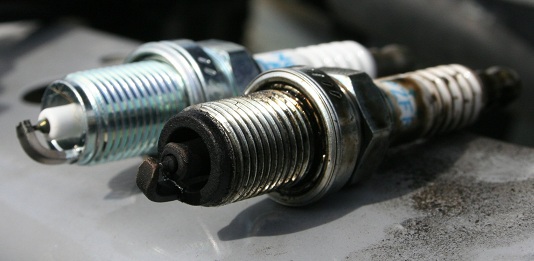
Global Spark Plug Market is estimated to grow significantly in the forecast period owing to the rising use of iridium material in new engine models. Spark plugs are the devices that deliver electric current from ignition system to combustion compartment in the car. Being a small electrical component, it is directly linked to the engine. They survive extreme pressure and heat within the car cylinders and efficiently burn off deposits from fuel additions to other pollutants.

The factors driving the market are comprise a fleet of automobiles due to significant demand for automobiles worldwide and promising government policies. In addition, increasing demand for LPG/CNG and petrol automobiles is impelling the demand for spark plugs, thereby boosting the market growth. However, increasing consumers’ inclination for electric vehicles is expected to hamper the growth of market in the years to come. The increased demand for spark plugs by OEMs in different regions of the world is on the rise. This trend is expected to grow in future as well.

The market is categorized on the basis of product type, sales channel, application, and geography. On the basis of product type, market is divided into cold spark plug and hot spark plug. Hot spark plug is expected to hold larger share of market owing to its extensive use. Cold spark plug is anticipated to grow at a comparatively steady rate in the years to come.


Based on sales channel, market is divided into aftermarket and (OEM) original equipment manufacturer. Original equipment manufacturer is predicted to grow substantially as compared to aftermarket channel owing to cheaper rates offered by different enterprises. In terms of application, market is split into marine, automotive, and industrial among others. Automotive segment is predicted to lead the spark plug market due to wide application of spark plug in automobiles.

Geographically, market is segmented as North America, Europe, Asia Pacific and RoW. Asia Pacific is projected to dominate the market owing to increasing number of automobiles in emerging economies like Thailand, Singapore, China and India. Moreover, North India is predicted to generate rising demand for spark plugs in future due to the presence of leading manufacturers like BMW, Maruti Suzuki, Ford, Hero MotoCorp, Mitsubishi and TVS Motors.

The key players in the spark plug market are General Motors (Acdelco Corporation), Federal-Mogul Corporation, NGK Spark Plug Co. Ltd, UCI-Fram Autobrands (Autolite), Borgwarner Inc., Denso Corporation, Delphi Automotive, Valeo, Weichai Power Co. Ltd., and Robert Bosch Gmbh.

Browse Related Category Reports @ https://industriesstudyreport.blogspot.com/

Connecting Rod Market Key Participants, Trends, and SWOT Analysis, 2022

Global Connecting Rod Market is anticipated to witness an exponential growth in the years to come. Connecting Rod could be referred to as a rod that is used for connecting the piston to the crankshaft in a reciprocating piston engine. The connecting rods must go through a quality check before they are supplied to the customers. The factors that propel the growth of the market include outstanding stability and drivability of engine and increasing demand for connecting rod. On the other hand, there are factors that may hamper the growth of the market including high cost of raw materials.

Connecting Rod Market is anticipated to grow at a significant CAGR in the upcoming period as the scope, product types, and its applications are increasing across the globe. The new trend that has emerged in the market is the usage of titanium connecting rod. Even though titanium is costlier than steel, its durability, and ability to withstand heat are driving the market.

The market may be explored by process type, vehicle type, engine type, and geography. The market may be explored by process type as cast rods, powder metals and forged. Market could be explored based on engine type as four stroke, L6, L4, V6, and V8 engines.


Based on vehicle type, the market may be classified as light commercial vehicles (LCV), heavy commercial vehicle (HCV), and a passenger car. The “Passenger Car” segment led the market in 2016 and will continue to lead in the forecast period. The key factor that may be attributed to the growth of the market includes maximal sales for passenger car supplied with four cylinders engine. Manufacturers are putting more emphasis on developing connecting rods associated to surface weight, finishing and capacity in order to withstand high temperatures.

APAC accounted for the major share of the market Size in 2017 and will continue to lead in the forecast period. The key factor that could be attributed to the growth includes financial growth in the emerging nations such as India and China. Furthermore, rising investment in infrastructure and rapid industrialization is likely to surge the overall demand for vehicles eventually boosting the market growth.

Some of the key players that fuel the growth of the Connecting Rod Market comprise Wiseco, Wossner, Pauter Machine, Nangong Jingqiang Connecting Rod Co. Ltd, Tianrun Crankshaft, Albon Engineering & Manufacturing Plc, MGP, JD Norman Industries Inc, Mahle GmbH, CP-Carrillo, Arrow Precision, and Powder Industries. The leading companies are taking up partnerships, mergers and acquisitions, and joint ventures in order to boost the inorganic growth of the industry.

Browse Related Category Reports @ https://industriesstudyreport.blogspot.com/

Baby Car Seat Market Size Estimation, Growth Rate, and Future Trends, 2023

Global Baby Car Seat Market is anticipated to witness an exponential growth in the forecast period. Baby Car Seats are designed especially for babies/children to protect them from injury during accidents. The factors that propel the growth of the market include strict laws in the developed countries for the baby safety seats, growing urbanization, increasing awareness regarding road safety among people, and an upsurge in the use of cars. One of the major factor that drives the growth of the market is increasing number of road accidents.

On the other hand, there are factors that may hamper the growth of the market including lack of awareness regarding baby car seats in some regions, unavailability of guidelines concerning the usage of baby car seats, and high cost of seats in emerging markets such as China. Baby Car Seat Market is anticipated to grow at a significant CAGR of 6.49% in the upcoming period as the scope, product types, and its applications are increasing across the globe.

The market may be segmented on the basis of product type, distribution channel, and geography. The market may be explored by product type as Convertible Car Seat, Combination Car Seat, Infant Car Seat, and Booster Car Seat. The “Booster Car Seat” segment led the market in 2017 and is anticipated to maintain its dominance over forecast period. The key factor that may attributed to the growth of market includes increase in the acceptance of these baby car seats. Additionally, Booster Car Seat segment is likely to be followed by “Convertible Seats” in the forecast period.


Based on distribution channel, the market may be classified as Online Retail, Hypermarkets & Supermarkets, Specialty Stores, and Baby Boutique Stores. The “Online Retail” segment led the market in 2017 and is anticipated to maintain its dominance over forecast period. The key factors that may attributed to the growth of market include access to the internet across all the regions, provision of products at the doorstep along with numerous other services, growing popularity of online platforms among consumers, and lower efforts required on the part of the customers.

North America accounted for the major share of the market Size in 2017 and will continue to lead in the forecast period. The factors that could be attributed to the growth include introduction of strict regulations regarding the security of children on national roads and rise in the purchase of baby car seats. North America is likely to be followed by the Canadian region.

Some of the key players that fuel the growth of the Baby Car Seat Market comprise Renolux France Industries, UPPAbaby, Newell Brands Inc., RECARO Holding GmbH, Kiwi Baby, Mother care plc, Jane Group, InfaSecure, Dorel Industries Inc, Good baby International Holdings Ltd, Clek Inc, Britax Group Ltd, Cosatto Ltd, Artsana Group and BREVI SRL. The leading companies are taking up partnerships, mergers and acquisitions, and joint ventures in order to boost the inorganic growth of the industry.

Browse Related Category Reports @ https://industriesstudyreport.blogspot.com/

Railway Wheel Market Share, Size, Trends, Application, and Forecast Report, 2023

Global Railway Wheel Market is expected to grow at a CAGR of 2.1% in the upcoming period as the scope and its applications are rising enormously across the globe. Railway wheel, as the name suggests, is mainly designed for use on rail tracks. It is manufactured out of a single piece of chromium molybdenum steel or manganese steel as these alloys have great resistance to ductility, wear, and hardness.

Growing number office workers in the developing countries, increasing urbanization and changing travel system across the globe, governments’ initiatives on investing huge money on transport infrastructure, and growing population in metropolitan areas are documented as the major factors of railway wheel market that are estimated to grow in the years to come. Railway wheel market is segmented based on wheel type, distribution channel, application, and region.

Steel tired wheels, monoblock wheels, cast steel wheel, rubber tired wheels, resilient wheels, wrought steel wheel, and the others could be explored in Railway Wheel in the forecast period. The market may be categorized based on distribution channels like aftermarket, OEM, and others that could be explored in the forecast period. Several applications of Railway Wheel such as passenger wagons, high speed, locomotive wheels, freight wagons, and the others could be explored in Railway Wheel in the forecast period.


Globally, North America account for the substantial market share of Railway Wheel and is estimated to lead the overall market in the years to come. The reason behind the overall market growth could be rising use of enhanced technology and presence of key manufacturers in the region. The United States is a major consumer of Railway Wheel in this region.

Instead, Europe and the Asia Pacific are also estimated to have a positive influence on the future growth. Europe is the second largest region with significant market share. However, Asia Pacific is estimated to grow at the fastest pace in the foremost period. The developing countries like India and China are the major consumers of Railway Wheel in this region.

The key players of Railway Wheel Market are Jinxi Axle, MA Steel, Zhibo Lucchini Railway Equipment, GHH Radsatz, Xinyang Tonghe wheels, Arrium, Datong ABC Castings Company, Nippon Steel & Sumitomo Metal (NSSMC), Taiyuan Heavy Industry (TYHI), Sumitomo Metal Industries, and Vyksa Steel Works (VSW). These players are concentrating on inorganic growth to sustain themselves amidst fierce competition.

Browse Related Category Reports @ https://industriesstudyreport.blogspot.com/

Urban Growth and Electricity Demand Expand the Footprint of the Protective Relay Market

Protective relays rarely make headlines, but power systems depend on them. They detect faults, isolate the affected section in milliseconds,...