Non-invasive Fat Reduction Market is propelled by Rising Demand for Body Contouring Procedures

Non-invasive Fat Reduction Industry Overview

The global non-invasive fat reduction market size was valued at USD 1.1 billion in 2021 and is anticipated to register a compound annual growth rate (CAGR) of 16.1% from 2022 to 2030. Non-invasive fat reduction is a fat reduction procedure that is done to decrease or eliminate the stubborn fat pockets in specific areas of the body by using methods like cryolipolysis, radiofrequency, and laser lipolysis. Non-invasive devices that are used in these procedures to permanently abolish fat cells are FDA approved as their efficiency and safety have been tested and the results have been proven to show significant results.
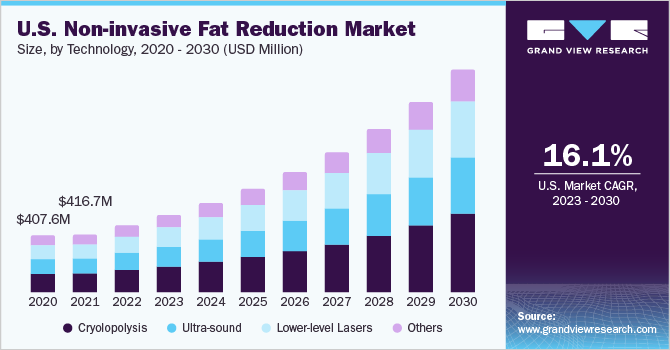
U.S. non-invasive fat reduction market size, by technology, 2020 - 2030 (USD Million)

The advent of the COVID-19 pandemic has hugely affected the overall market. But many aesthetic professionals believe that the pandemic might most likely propel the overall aesthetic industry. Many dermatology clinics have witnessed a boost in the number of future appointments and consultations for different skin treatments and this is expected to boost the market growth. These procedures are to be carried out by professional practitioners who are technically sound to execute these treatments. Some of the famous brands for non-invasive fat reduction procedures are CoolSculpting, Kybella, Vanquish, and Sculpsure.

Gather more insights about the market drivers, restraints, and growth of the Global Non-invasive Fat Reduction Market

The Cryolipolysis technology segment is expected to witness a high CAGR of 16.5% over the forecast period. According to WHO, a sedentary lifestyle is a major underlying cause of obesity, disease, and disability. Approximately 2 million deaths every year are attributable to obesity. Physical inactivity, tedious & long working hours, behavioral risk factors like alcohol consumption, smoking, as well as stress are increasing the risk of an unhealthy lifestyle which has, in turn, led to conditions like diabetes and obesity. With the increase in urbanization, people have limited time to focus on their physical health and, therefore, look for alternate options to reduce stubborn fat.

Factors such as increasing acceptance and rising demand for body contouring treatments, rise in health care expenditure, and surging prevalence of the obese population are the key factors boosting the growth of the market. According to the U.S. Bureau of Economic Analysis, in 2019, Americans had 16.65 trillion dollars in Disposable Personal Income and per capita personal disposable income was $43,828. As there is an increase in the amount of money people possess for their expenses, they often tend to opt for an aesthetic procedure.

According to the International Society of Aesthetic Plastic Surgery, around 120,707 non-surgical fat reduction treatments were carried out on the male population, globally in 2020. The adoption of such procedures witnessed an increase in the male population and is expected to witness high demand in the future as well. This is because there are technological advancements that are taking place in this segment backed by quick dramatic results and benefits which leads to an increase in acceptance by people. The ease of conducting such procedures and their affordability are captivating millennials, even more, to opt for such treatments.

Despite the COVID-19 pandemic negatively impacting several industries, the market has witnessed an increase in procedures. In 2021, the market has witnessed high demand due to the backlog of 2020 and increased interest from people related to dermatological procedures. The non-invasive fat reduction market has witnessed high volatility during the past few months and is expected to return to its normal growth trend by 2023.

As reported by the International Society of Aesthetic Plastic Surgery, in 2020, the non-invasive fat reduction procedure witnessed a 21.2% growth indicating that adoption of the procedure has been on the rise globally.

Browse through Grand View Research's Medical Devices Industry Related Reports

Facial Fat Transfer Market - The global facial fat transfer market size was valued at USD 1.9 billion in 2021 and is expected to expand at a CAGR of 10.8% from 2022 to 2030.

Intravascular Ultrasound Market - The global intravascular ultrasound market size was valued at USD 771.9 million in 2022 and is expected to expand at a compound annual growth rate (CAGR) of 5.1% from 2023 to 2030.

Non-invasive Fat Reduction Industry Segmentation

Grand View Research has segmented the global non-invasive fat reduction market based on technology, end-use, and region:

Non-invasive Fat Reduction Technology Outlook (Revenue, USD Million, 2018 - 2030)

  • Cryolipolysis
  • Ultrasound
  • Low-Level Lasers
  • Others

Non-invasive Fat Reduction End-use Outlook (Revenue, USD Million, 2018 - 2030)

  • Hospitals
  • Stand Alone Practices
  • Multispecialty Clinics
  • Others

Non-invasive Fat Reduction Regional Outlook (Revenue, USD Million, 2018 - 2030)

  • North America
  • Europe
  • Asia Pacific
  • Latin America
  • MEA (Middle East & Africa)

Market Share Insights:

September 2020: Cutera announced the launch of truSculpt flex, which is the company’s body sculpting platform, in Canada.

Key Companies profiled:

Some prominent players in the global Non-invasive Fat Reduction Industry include

  • Cynosure
  • Fosun Pharmaceuticals Co. Ltd
  • Cutera Inc
  • Zeltiq Aesthetics
  • Candela Corporation
  • BTL Industries
  • Venus Concept
  • Lynton Lasers Ltd.

Order a free sample PDF of the Non-invasive Fat Reduction Market Intelligence Study, published by Grand View Research.

Neonatal Critical Care Equipment Market is driven by Increasing Incidence of Newborn Jaundice

Neonatal Critical Care Equipment Industry Overview

The global neonatal critical care equipment market size was valued at USD 649.7 million in 2021 and is expected to witness a compound annual growth rate (CAGR) of 8.70% from 2022 to 2030. The high prevalence of neonatal jaundice, an increasing number of preterm births, and the introduction of new products for use in the Neonatal Intensive Care Units (NICU) are expected to drive the market. The World Health Organization (WHO) estimates that over 15 million infants are born prematurely each year, with about 1 million dying as a result of preterm problems. Newborn monitoring is one of the most challenging responsibilities. Developing better devices has remained significant in managing neonatal health issues. Manufacturers are making significant investments to keep up with the increasing demand for neonatal critical care equipment, particularly thermoregulation devices.

U.S. neonatal critical care equipment market size, by type, 2020 - 2030 (USD Million)

Globally, the neonatal critical care equipment market is characterized by a high rate of newborn jaundice. According to the National Center for Biotechnology Information, around 55.2% of newborns involved in the research suffered jaundice in 2018. Additionally, jaundice, or hyperbilirubinemia, occurs in roughly 60.0% of full-term infants (and 80% of preterm infants) within the first week of life, according to The Royal Children's Hospital Melbourne, Australia. As phototherapy equipment is employed as an effective treatment against neonatal jaundice, its increasing cases have a positive impact on the market.

Gather more insights about the market drivers, restraints, and growth of the Global Neonatal Critical Care Equipment Market

When a baby is born before completing the 37 weeks of pregnancy, it is called a preterm birth and is admitted to the NICU. As per the March of Dimes, a U.S. non-profit organization, among the total NICU admissions more than half comprised preterm babies. According to the Centers for Disease Control and Prevention (CDC), in 2020, 1 out of every 10 infants was born prematurely. This results in increased NICU admission and a rise in the requirement for NICU facilities.

Public and private organizations are taking initiative to increase the availability of the NICUs to cope with the requirement. For instance, in September 2017, BC Children's Hospital, Vancouver, announced to launch of Teck Acute Care Centre and claimed to have North America’s first NICU to provide critical care to mothers and infants in the same room.

Monitoring devices are one of the important newborn care equipment in the NICU infrastructure. Hence key manufacturers are conducting research and development to launch innovative monitoring devices for use in the NICUs. For instance, in June 2019, Masimo received the  U.S. Food and Drug Administration (FDA) approval for the use of its O3 Regional Oximetry on neonatal patients.

Browse through Grand View Research's Medical Devices Industry Related Reports

Fetal And Neonatal Care Equipment Market - The global fetal and neonatal care equipment market size was valued at USD 7.8 billion in 2021 and is expected to expand at a compound annual growth rate (CAGR) of 7.28% from 2022 to 2030.

Phototherapy Equipment Market - The global phototherapy equipment market size was valued at USD 368.8 million in 2021 and is anticipated to witness a compound annual growth rate (CAGR) of 3.95% during the forecast period.

Neonatal Critical Care Equipment Industry Segmentation

Grand View Research has segmented the global neonatal critical care equipment market based on type and region:

Neonatal Critical Care Equipment Type Outlook (Revenue, USD Million, 2016 - 2030)

  • Thermoregulation Equipment
  • Phototherapy Equipment
  • Monitoring Equipment
  • Respiratory Equipment
  • Others

Neonatal Critical Care Equipment Regional Outlook (Revenue, USD Million, 2016 - 2030)

  • North America
  • Europe
  • Asia Pacific
  • Latin America
  • MEA (Middle East & Africa)

Market Share Insights:

May 2019: The NICU at St Peter’s Hospital announced the arrival of a transport incubator system which is used for transport while admitting the babies to a NICU and post-discharge.

Key Companies profiled:

Some prominent players in the global Neonatal Critical Care Equipment Industry include

  • Cardinal Health
  • Drägerwerk AG & Co. KGaA
  • GE Healthcare
  • Koninklijke Philips N.V.
  • Medtronic
  • Vyaire
  • BD
  • Utah Medical Products, Inc.
  • Ambu A/S
  • Natus Medical Incorporated
  • Inspiration Healthcare Group plc

Order a free sample PDF of the Neonatal Critical Care Equipment Market Intelligence Study, published by Grand View Research.
U.S. Primary Care Physicians Market Key Players are ChenMed LLC and MDVIP

U.S. Primary Care Physicians Industry Overview

The U.S. primary care physicians market size was valued at USD 260.1 billion in 2021 and is expected to expand at a compound annual growth rate (CAGR) of 3.2% from 2022 to 2030. Access to primary care providers can curb the growing rate of hospitalization, usage of prescription drugs, and prevalence of chronic diseases. General physicians practicing internal medicine, family medicine, and pediatrics provide early detection of diseases with immediate treatment, management of chronic conditions, and preventive measures.

U.S. primary care physicians market size, 2020 - 2030 (USD Billion)

Primary care is the center of the U.S. healthcare system, reforms in the healthcare coverage will reenergize the infrastructure and aid the rebuilding of the primary care payment and delivery model. The comprehensive care provided by Primary Care Physicians (PCPs) and the continuous patient and physician relationship is essential to improve the quality of care which will lead to positive patient outcomes in the long run.

Gather more insights about the market drivers, restraints, and growth of the U.S. Primary Care Physicians market

The U.S. healthcare system majorly relies on primary care doctors to lower the overall Medicare spending. Government bodies have realized the importance of primary care physicians in developing a value-based healthcare system in the U.S. and have undertaken various initiatives to bridge these gaps between revenues of different specialties. These initiatives are anticipated to empower primary care physicians to spend more time with patients rather than performing other administrative work.

The Centers for Medicare & Medicaid Services (CMS) have developed several models such as Comprehensive Primary Care Plus (CPC+) and Primary Care First Model to strengthen primary care at the regional and national levels. These models offer innovative payment structure that enhances the delivery of primary care. This enables primary care physicians to focus on prioritizing the doctor-patient relationship, patients with chronic diseases, and improving healthcare outcomes.

The COVID-19 pandemic has created a high demand for primary care physicians in the U.S. Primary care practitioners are being approached for vaccination, and telehealth & virtual care services have created new opportunities for physicians to increase access to primary care across the country. The general pediatric physicians’ segment is expected to witness the fastest growth during the forecast period, owing to increasing awareness about preventive care among parents. Moreover, many physicians are focusing on pediatrics and internal medicine as subspecialties, which is expected to improve primary care visits with improved access in the coming years.

Browse through Grand View Research's Medical Devices Industry Related Reports

Physiotherapy Equipment Market - The global physiotherapy equipment market size was valued at USD 19.1 billion in 2021. It is expected to expand a compound annual growth rate (CAGR) of around 6.69% from 2022 to 2030.

U.S. House Calls Market - The U.S. house calls market size was valued at USD 510.5 Million in 2021 and is expected to exhibit a compound annual growth rate (CAGR) of 5.60% from 2022 - 2030.

U.S. Primary Care Physicians Industry Segmentation

Grand View Research has segmented the U.S. primary care physicians market on the basis of type:

U.S. Primary Care Physicians Type Outlook (Revenue, USD Billion, 2017 - 2030)

  • General Practice, Family Physician, and Geriatrics
  • General Internal Medicine
  • General Pediatrics

Key Companies profiled:

Some prominent players in the U.S. Primary Care Physicians Industry include

  • MDVIP
  • One Medical Group, Inc.
  • Rhode Island Primary Care Physicians Corporation (RIPCPC)
  • ChenMed LLC
  • Colonial Healthcare
  • DuPage Medical Group (DMG)
  • HealthCare Partners Medical Group
  • New West Physicians
  • Crossover Health Medical Group

Order a free sample PDF of the U.S. Primary Care Physicians Market Intelligence Study, published by Grand View Research.
Cannabis Pharmaceuticals Market is expected to expand at a CAGR of 104.2% by 2028

Cannabis Pharmaceuticals Industry Overview

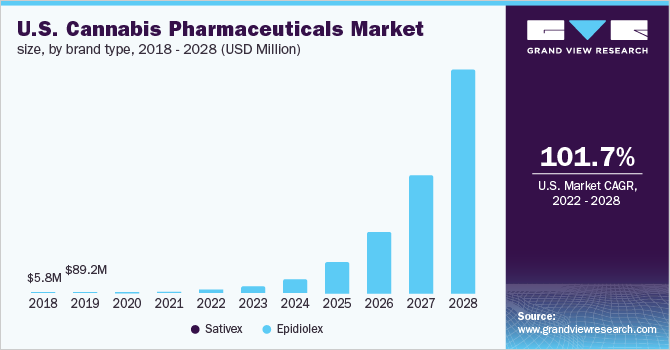
The global cannabis pharmaceuticals market size was valued at USD 943.5 million in 2021 and is expected to expand at a compound annual growth rate (CAGR) of 104.2% from 2022 to 2028. Wide-scale applications of cannabis in various medical applications are driving the market. For instance, cannabis is widely used for treating patients suffering from chronic conditions, such as Parkinson’s disease, cancer, arthritis, and Alzheimer’s disease, as well as neurologic problems such as depression, anxiety, and epilepsy. Moreover, there is a growing disease burden of chronic pain and pain management therapies. This, in turn, is increasing cannabis product consumption as it is effective in pain management.

U.S. cannabis pharmaceuticals market size, by brand type, 2018 - 2028 (USD Million)

There is increasing legalization and decriminalization of cannabis in various countries owing to its therapeutic effects. For instance, medical cannabis is legal in countries such as the U.S., Canada, the U.K., Croatia, Czech Republic, Cyprus, Columbia, Chile, Australia, Barbados, Denmark, Finland, Poland, and Portugal among others. Moreover, a continuous political movement supporting cannabis legalization is driving the market for cannabis pharmaceuticals. For instance, in May 2021, the U.S. representative reintroduced the MORE (Marijuana Opportunity, Reinvestment, and Expungement) Act in the U.S. House of Representatives. Furthermore, in December 2020, the MORE Act was previously passed in the House of Representatives, but it did not advance in the Senate.

Gather more insights about the market drivers, restraints, and growth of the Global Cannabis Pharmaceuticals Market

The MORE Act, if passed, would drive the demand for cannabis products in the U.S. This in turn is estimated to positively impact the growth of the pharmaceutical cannabis market. An increasing number of cannabis physicians prescribing cannabis products owing to increasing consumer acceptance is estimated to drive market potential. For instance, the number of health care practitioners registered with federally licensed sellers in Canada in September 2019 was 6700 which increased to 7,781 in March 2021. Moreover, increasing consumer acceptance is supporting the growth of the market for cannabis pharmaceuticals. according to the Centers for Disease Control and Prevention, 48.2 million people in the U.S., or 18% of the American population have consumed marijuana at least once in 2019.

The COVID-19 pandemic and associated social distancing norms and lockdown affected all industries globally. Although the COVID-19 pandemic negatively impacted sales of various product categories, major cannabis pharmaceutical brand - Epidiolex, witnessed positive growth in sales. This is attributed to high refill rates due to customer satisfaction and expansion of payer coverage. Sales of legal cannabis increased drastically in 2020 during the COVId-19 pandemic. For instance, Americans purchased USD 10.7 billion in cannabis and its products in 2019 which increased to USD 18.3 billion in 2020, according to Leafly, a leading cannabis website. Governors of various states in the U.S. declared cannabis an essential product. Moreover, many retail stores and dispensaries started offering cannabis products through the online sales channel. Thus, increasing consumption of cannabis products is estimated to positively impact market growth.

Stakeholders in the cannabis industry and research institutes are undertaking various research studies to prove various claims made on CBD products which in turn is driving the market for cannabis pharmaceuticals. Moreover, innovative products are introduced to cater to growing consumer demand. For instance, in November 2021, Colorado State University opened a new research center for CBD. In November 2021, AMP Alternative Medical Products GmbH-a a fully owned subsidiary of Greenrise Global Brands, Inc.-introduced Dronabinol products into the German market. Additionally, companies are adopting various strategies to expand their market presence. In November 2021, Avicanna, a biopharmaceutical company, entered into an IP and distribution agreement with an established pharmaceutical company in Argentina. Under this agreement, Avicanna will be providing a nonexclusive license of the company’s IP with respect to its proprietary 10% CBD pharmaceutical drug preparation.

Browse through Grand View Research's Pharmaceuticals Industry Related Reports

Cannabis Extract Market - The global cannabis extract market size was valued at USD 2.74 billion in 2021 and is expected to expand at a compound annual growth rate (CAGR) of 20.6% from 2022 to 2030.

Cannabidiol Market - The global cannabidiol market size was valued at USD 5.18 billion in 2021 and is expected to expand at a compound annual growth rate (CAGR) of 16.8% from 2022 to 2030.

Cannabis Pharmaceuticals Industry Segmentation

Grand View Research has segmented the global cannabis pharmaceuticals market report on the basis of brand type, and region:

Cannabis Pharmaceuticals Brand Type Outlook (Revenue, USD Million, 2016 - 2028)

  • Sativex
  • Epidiolex

Cannabis Pharmaceuticals Regional Outlook (Revenue, USD Million, 2016 - 2028)

  • North America
  • Europe
  • Asia Pacific
  • Latin America
  • MEA (Middle East & Africa)

Market Share Insights:

February 2021: Jazz Pharmaceuticals PLC announced its plans to acquire GW Pharmaceuticals. Upon completion of the acquisition, Jazz Pharmaceutical would have an enhanced neuroscience product portfolio with an increased global commercial footprint.

Key Companies profiled:

Some prominent players in the global Cannabis Pharmaceuticals Industry include

  • GW Pharmaceuticals, plc
  • Insys Therapeutics
  • Abbvie
  • Valeant Pharmaceuticals (Bausch Health Companies, Inc.)

Order a free sample PDF of the Cannabis Pharmaceuticals Market Intelligence Study, published by Grand View Research.
COVID-19 Sample Collection Kits Market is driven by Key Role of COVID Tests in Advancing Vaccine Development

COVID-19 Sample Collection Kits Industry Overview

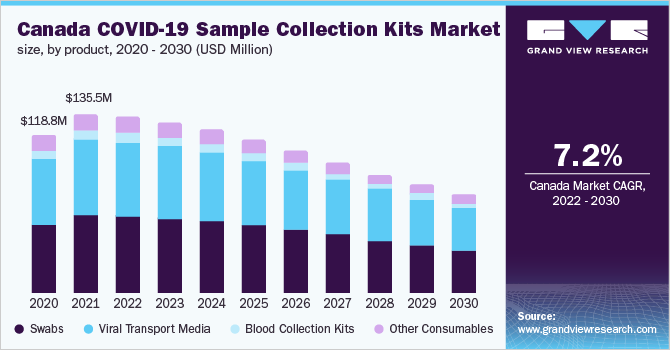
The global COVID-19 sample collection kits market size was valued at USD 6.48 billion in 2021 and is expected to expand at a compound annual growth rate (CAGR) of 8.7% from 2022 to 2030. SARS-CoV-2 sampling is the most critical step in the effective diagnosis of active infection. False and imprecise specimen collection may lead to wrong or misleading test results. As a result, the Centers for Disease Control and Prevention (CDC) and other healthcare organizations have introduced standard procedures and guidance for effective specimen collection and streamlining the usage of COVID-19 sample collection solutions, thereby driving the market. In October 2021, the FDA granted Labcorp an Emergency Use Authorization (EUA) for a combination home collection kit that may detect COVID-19 plus influenza A/B in children as young as two years old. Those who match clinical standards, such as having symptoms, being contacted by someone with COVID-19, or being requested to be diagnosed by a health care physician, will receive the kit free of charge.

Canada COVID-19 sample collection kits market size, by product, 2020 – 2030 (USD Million)

The key stakeholders have collaborated with regional authorities and suppliers for preserving the manufacturing conditions and accelerating the company’s growth in swabs and the viral transport medium market. With the ongoing surge in demand due to the COVID-19 outbreak, companies are focusing on strategic products to maximize product output and supply. Moreover, there have been 424,822,073 confirmed cases of COVID-19 till February 2022, as per the WHO. As the number of COVID-19 cases rises, more COVID-19 collection kits are required, thereby boosting the growth of the market in the forecast period.

Gather more insights about the market drivers, restraints, and growth of the Global COVID-19 Sample Collection Kits Market

Furthermore, despite the high vaccination rate, contaminated patients can still transfer the disease, driving the transmission. Moreover, ongoing virus mutation generates variations in the viral structure, making vaccinations ineffective. As a result of these circumstances, demand for COVID-19 detection kits rises, boosting the total market growth.

The availability of swabs in various configurations for advanced infection detection is one of the key market drivers. For instance, in November 2020, researchers at the University of South Florida (USF) Health introduced a 3D printed nasal swab prototype for commercial usage. As of 25th November 2020, the organization has developed 100,000+ products, and hospitals across the globe have implemented their 3D files to develop tens of millions more swabs for use in a point-of-care setting.

Furthermore, the advent of antigen tests to fill the timeline and capacity gaps in the testing landscape is anticipated to spur the usage of Nasopharyngeal (NP) swabs across the globe. The U.S. government signed a USD 760 million deal with Abbott over its BinaxNOW COVID-19 Ag Card in August 2020. With this, the government aimed at tripling the national testing capacity. Such collaborations between the diagnostic players and government bodies are anticipated to greatly benefit the swab suppliers in the country.

In September 2021, Quidel Corporation has stated that their non-prescription QuickVue In-Home OTC corona-virus Test will be available to more than 7,000 CVS Pharmacy branches nationwide as well as online at cvs.com. Two self-administered fast antigen tests are included per shelf-stable packet.

Browse through Grand View Research's Healthcare Industry Related Reports

Real-time PCR, Digital PCR, And End-point PCR Market - The global real-time PCR, digital PCR, and end-point PCR market size was valued at USD 31.64 billion in 2021 and is expected to decline at a compound annual growth rate (CAGR) of 8.2% from 2022 to 2030.

COVID-19 Diagnostics Market - The global COVID-19 diagnostics market size was valued at USD 97.4 billion in 2021 and is expected to decline at a compound annual growth rate (CAGR) of 7.7% from 2022 to 2030.

COVID-19 Sample Collection Kits Industry Segmentation

Grand View Research has segmented the global COVID-19 sample collection kits market based on product, application, site of collection, and region:

COVID-19 Sample Collection Kits Product Outlook (Revenue, USD Million, 2020 - 2030)

  • Swabs
  • Viral Transport Media
  • Blood Collection Kits
  • Other Consumables

COVID-19 Sample Collection Kits Application Outlook (Revenue, USD Million, 2020 - 2030)

  • Diagnostics
  • Research

COVID-19 Sample Collection Kits Site of Collection Outlook (Revenue, USD Million, 2020 - 2030)

  • Hospitals & Clinics
  • Home Test

COVID-19 Sample Collection Kits Regional Outlook (Revenue, USD Million, 2020 - 2030)

  • North America
  • Europe
  • Asia Pacific
  • Latin America
  • MEA (Middle East & Africa)

Key Companies profiled:

Some prominent players in the global COVID-19 Sample Collection Kits Industry include

  • Puritan Medical Products
  • COPAN Diagnostics
  • Becton, Dickinson and Company
  • Thermo Fisher Scientific, Inc.
  • Laboratory Corporation of America Holdings
  • Lucence Diagnostics Pte Ltd.
  • Hardy Diagnostics
  • Trinity Biotech

Order a free sample PDF of the COVID-19 Sample Collection Kits Market Intelligence Study, published by Grand View Research.
Intravenous Infusion Pumps Market is boosted by Rise in The Incidence of Cardiovascular Diseases and Cancer

Intravenous Infusion Pumps Industry Overview

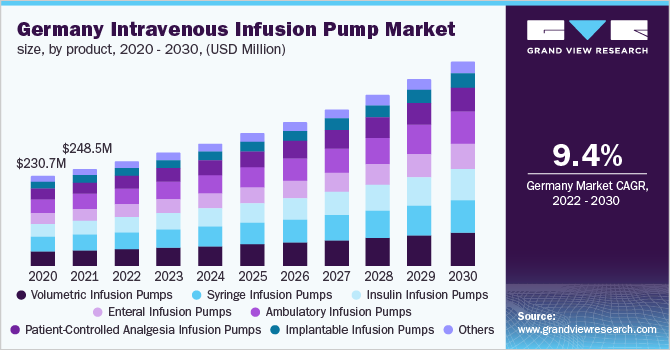
The global intravenous infusion pump market size was estimated at USD 5.0 billion in 2021 and is anticipated to register a CAGR of 8.2% from 2022 to 2030. Intravenous infusion pumps are used to administer medications, hormones, and nutritional fluids into the circulatory system through veins in controlled amounts. These pumps are in extensive use in clinical settings such as hospitals, nursing homes, and the home.  The pump is operated by the trained operator by programming the rate and duration of fluid delivery by means of built-in software. Intravenous infusion pumps can deliver nutrients, hormones, antibiotics, chemotherapy drugs, and pain relievers.

Germany intravenous infusion pump market size, by product, 2020 - 2030 (USD Million)

The advent of COVID-19 resulted in burdening of healthcare infrastructure globally as the majority of elective healthcare treatments were postponed. However, the demand for these pumps such as insulin infusion pumps and volumetric infusion pumps witnessed an increase, as the majority of the patients suffering from chronic diseases were treated remotely from home to prevent the risk of disease transmission and unburden healthcare facilities.

Gather more insights about the market drivers, restraints, and growth of the Global Intravenous Infusion Pumps Market

Infusion pumps offer various advantages over manual administration of medicated fluids like the ability to deliver fluids in very small volumes, and the ability to deliver fluids at precisely programmed rates or automated intervals and is therefore highly adopted by healthcare systems currently. However, product recalls and infusion pumps malfunctions such as software defects and user interface issues are major growth restraining factors for the market

These pumps are mainly used to administer critical fluids that include high-risk medication. Most of the infusion pumps are equipped with safety features and inbuilt alarms for operator alerts intended to activate in the event of a problem. Many conditions such as immune deficiencies, cancer, and congestive heart failure cannot be treated with oral medications and require infusion therapy.

While administering medication, vitamins, minerals, amino acids, and varied essential micronutrients can also be added to the infusion for collateral nutrition. Smart pumps are intravenous pumps that are technologically advanced with automation, drug libraries, and various operator and patient safety features for accurate, precise, and controlled delivery of fluids into the patient system especially beneficial in the treatment of chemotherapy, and this is the reason smart pumps are gaining a lot of popularity in the medical sector.

The demand for these pumps increased considerably after the onset of COVID-19. Smiths Medical stated that demand for items such as ventilators, airway management products, patient monitors, and infusion pumps increased substantially. The company’s revenue from infusion systems increased by 4% in 2020, driven by COVID-19-related demand. ICU medical also reported that the demand for its infusion systems increased due to high demand from existing customers and government stockpile orders.

The demand for intravenous pumps in the post-pandemic era is also expected to witness significant growth as the prevalence of diseases like diabetes, cancer, and heart ailments are expected to rise due to rapid lifestyle changes. These factors will boost market growth throughout the forecast period.

Browse through Grand View Research's Medical Devices Industry Related Reports

Home Infusion Therapy Market - The global home infusion therapy market size was valued at USD 33.5 billion in 2022 and is expected to expand at a compound annual growth rate (CAGR) of 8.0% from 2023 to 2030.

Intrathecal Pumps Market - The global intrathecal pumps market size was valued at USD 325.6 million in 2021 and is projected to grow at a compound annual growth rate (CAGR) of 5.2% from 2022 to 2030.

Intravenous Infusion Pumps Industry Segmentation

Grand View Research has segmented the global Intravenous infusion pumps market based on product, disease indication, end-user and region:

Intravenous Infusion Pumps Product Outlook (Revenue, USD Million, 2018 - 2030)

  • Volumetric Infusion Pumps
  • Insulin Infusion Pumps
  • Syringe Infusion Pumps
  • Enteral Infusion Pumps
  • Ambulatory Infusion Pumps
  • Patient Controlled Analgesics (PCA)
  • Implantable Infusion Pumps
  • Others

Intravenous Infusion Pumps Disease Indication Outlook (Revenue, USD Million, 2018 - 2030)

  • Chemotherapy
  • Diabetes
  • Gastroenterology
  • Analgesia/Pain Management
  • Pediatrics/Neonatology
  • Hematology
  • Others

Intravenous Infusion Pump End-User Outlook (Revenue, USD Million, 2018 - 2030)

  • Hospitals & Clinics
  • Home Healthcare
  • Other End-user

Intravenous Infusion Pumps Regional Outlook (Revenue, USD Million, 2018 - 2030)

  • North America
  • Europe
  • Asia Pacific
  • Latin America
  • MEA (Middle East & Africa)

Market Share Insights:

January 2020: Medtronic announced the launch of software Efficio to efficiently manage targeted drug delivery in SynchroMed II.

May 2018: Baxter International launched SpectrumIQ, an infusion pump technology with integrated EMR (Electronic Medical Records), and DeviceVue, an asset tracking software to improve the efficiency of drug delivery.

Key Companies profiled:

Some prominent players in the global Intravenous Infusion Pumps Industry include

  • Baxter International
  • B. Braun Melsungen AG
  • Medtronic
  • Micrel Medical Devices SA
  • Boston Scientific Corporation
  • Becton, Dickinson, and Company
  • Fresenius Kabi
  • Smiths Medical
  • F. Hoffmann-La Roche Ltd.
  • Tandem Diabetes Care, Inc.
  • Terumo Corporation
  • Mindray
  • Moog Inc.
  • IRadimed Corporation

Order a free sample PDF of the Intravenous Infusion Pumps Market Intelligence Study, published by Grand View Research.
U.S. & Canada Skin Cancer Dermatology Market is driven by Increasing Prevalence of Skin Cancer

U.S. & Canada Skin Cancer Dermatology Industry Overview

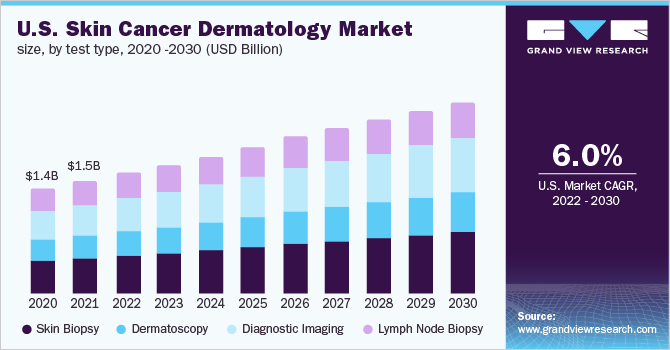
The U.S. and Canada skin cancer dermatology market size was valued at USD 2.07 billion in 2021 and is expected to expand at a compound annual growth rate (CAGR) of 5.5% from 2022 to 2030. The growing prevalence of skin cancer is contributing largely to the high market demand. Furthermore, growing awareness among people about skin cancer and technological advancements in the dermatology field is also considered as the important factors driving the market growth. The skin cancer dermatology markets in U.S. and Canada witnessed a negative impact during the COVID-19 pandemic as dermatology practices and medical supply chains were hampered.

U.S. skin cancer dermatology market size, by test type, 2020 - 2030 (USD Billion)

According to a One Access journal called Plos One, Ontario Province in Canada witnessed a precipitous drop in total skin biopsies (15% of expected) with the onset of COVID-19 cases, and the majority of the females in the region were less likely to be biopsied during the pandemic. However, the rates of biopsy increased substantially in the second half of 2020. According to the American Academy of Dermatology, 3.3 million people in the U.S. are diagnosed with basal and squamous cell skin cancers. Moreover, it is estimated that one in every five individuals in the U.S. is likely to be diagnosed with skin cancer in their lifetime. Meanwhile, in 2019, in Canada, nearly 7,800 melanoma cases and nearly 1,300 deaths due to the same were reported.

Gather more insights about the market drivers, restraints, and growth of the U.S. & Canada Skin Cancer Dermatology market

The high incidence rate of melanoma in Canada and the U.S. is anticipated to fuel market growth. The U.S diagnostic imaging test type segment is expected to witness the fastest growth rate of 6.7% during the forecast period. The presence of organizations that aim to increase awareness regarding skin cancer and reduce its incidence rate is anticipated to fuel market growth. The American Academy of Dermatology (AAD) intends to reduce skin cancer-related incidence and mortality by educating the public about the techniques that aid in minimizing the risk of skin cancer and facilitate them in the identification of skin cancer or a potentially cancerous skin lesion.

AAD also aims to set high clinical practice standards and undertake public awareness programs and research activities in the field of dermatology to enhance patient care whereas the Canadian Dermatology Association aims to increase public awareness levels regarding sun protection and prevention of skin cancer. Technology plays a key role in the clinical decision-making behavior of dermatologists. The introduction of teledermatology and the growing number of smartphone-compatible diagnostic devices has enabled dermatologist to undertake remote patient diagnosis and monitoring, thus reducing the number of unnecessary office procedures. Furthermore, the EHR technology also enables dermatologists to select a cost-effective therapy for the patient.

The advent of COVID-19 impacted the operations and supply of many critical medical devices in 2020. Agilent Technologies stated that they faced supply-chain bottlenecks during the pandemic and the revenue growth was slower than forecasted. However, after the lockdown eased in the second quarter of 2020, the company recovered from the losses and reported strong financial performance despite the turbulence caused by COVID-19. The International Dermoscopy Society reported that the outbreak had a negative impact on most dermatology services, with a significant reduction in consultation time spent for chronic patients, and an increased risk of missed melanoma and nonmelanoma skin cancer.

Browse through Grand View Research's Medical Devices Industry Related Reports

Biopsy Devices Market - The global biopsy devices market size was valued at USD 2.11 billion in 2022 and is expected to expand at a compound annual growth rate (CAGR) of 7.1% from 2023 to 2030.

Dermatology Devices Market - The global dermatology devices market size was valued at over USD 12.5 billion in 2021 and is anticipated to grow at a compound annual growth rate (CAGR) of 11.9% over the forecast period.

U.S. & Canada Skin Cancer Dermatology Industry Segmentation

Grand View Research has segmented the  U.S. & Canada Skin Cancer Dermatology Market the basis of test type, facility type, and age group:

U.S. & Canada Skin Cancer Dermatology Test Type Outlook (Revenue, USD Million, 2018 - 2030)

  • Skin Biopsy
  • Dermatoscopy
  • Diagnostic Imaging
  • Lymph Node Biopsy

U.S. & Canada Skin Cancer Dermatology Age Group Outlook (Revenue, USD Million, 2018 - 2030)

  • 0-19
  • 20-39
  • 40-59
  • 60-64
  • 65-74
  • 75-84
  • 85 & above

U.S. & Canada Skin Cancer Dermatology Facility Type Outlook (Revenue, USD Million, 2018 - 2030)

  • Stand Alone Practices
  • Multispecialty Clinics
  • Dermatology Group
  • Hospital OPD
  • Others

Key Companies profiled:

Some prominent players in the U.S. & Canada Skin Cancer Dermatology Industry include

  • Firefly
  • SkinIO
  • Canfield Scientific, Inc.
  • FotoFinder Systems, Inc.
  • 3Gen
  • MetaOptima
  • Agilent Technologies
  • SkinVision
  • Speclipse, Inc.
  • Skin Analytics

Order a free sample PDF of the U.S. & Canada Skin Cancer Dermatology Market Intelligence Study, published by Grand View Research.
Healthcare Contract Development and Manufacturing Organization Market is driven by Rising Investment in R&D

Healthcare Contract Development and Manufacturing Organization Industry Overview

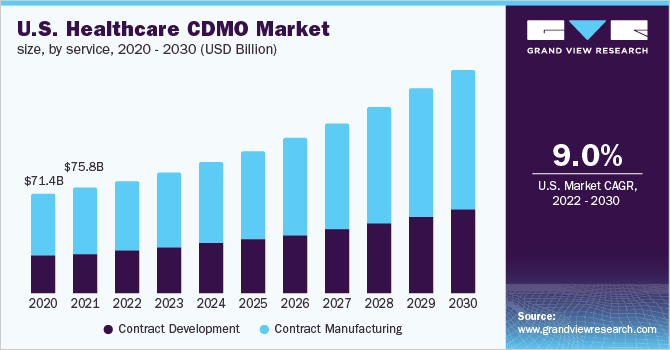
The global healthcare contract development and manufacturing organization market size was valued at USD 217.6 billion in 2021 and is expected to expand at a compound annual growth rate (CAGR) of 9.2% from 2022 to 2030. An increase in uptake of outsourcing services by pharmaceutical companies and growth in R&D investments are expected to drive the market. Medical devices & pharmaceutical companies are outsourcing low-end services to reduce the overall cost of production. This trend is expected to contribute to the growth of the market for healthcare contract development and manufacturing organization (CDMO), in the forecast period. The presence of end-to-end service providers that offer value-added services for an integrated or risk-sharing business model is expected to bolster market growth.

U.S. Healthcare CDMO Market Size, By Service, 2020-2030 (USD Billion)

The COVID-19 pandemic has significantly impacted the global economy in 2020 and has had an ongoing impact on various industries. However, the market for healthcare contract development and manufacturing organization (CDMO) witnessed a positive impact due to this pandemic. CDMOs are playing an important role in meeting the needs of pharmaceutical companies, biotech companies, and other end-users during this crisis. For instance, Lonza signed a 10-year manufacturing contract with Moderna for manufacturing the COVID-19 vaccine. CDMO players are offering pharma, biotech, and other end-user companies cost-efficiency, time-saving, and specialized expertise. The rapid rise in demand for COVID-19 vaccines and therapeutics is propelling the IND CDMO market. Even post-pandemic, the future seems upright for the IND CDMO market owing to the robust drug pipeline of pharmaceutical and biotech companies.

Gather more insights about the market drivers, restraints, and growth of the Global Healthcare Contract Development And Manufacturing Organization Market

According to the 2019 PhRMA member annual survey, pharmaceutical companies invested USD 79.6 billion in R&D. As the healthcare industry is undergoing a process of dynamic change, factors such as rapid technological advancements (e.g., automation & artificial intelligence), the need for CROs/CMOs/CDMOs, and rising investments in research are influencing the healthcare market. Outsourcing activities are befitting many pharmaceutical companies in improving operational efficiencies, expanding geographical presence, decreasing resource costs, gaining therapeutic expertise, and enhancing on-demand services. Medical device companies are focusing on emerging countries to gain access to newer markets and increase their revenues. OEM consolidation has also boosted the overall medical devices contract manufacturing market.

For pharmaceutical companies, increasing R&D costs is a challenge, which significantly affects their bottom line therefore they have partnered with CROs & CMOs for integrated outsourcing services. Outsourcing research activities to CMO or CDMO helps accelerate the workflow of companies, provide unique specialized services, decrease drug development costs, and provide the expertise & experience needed for assisting research.

For many pharmaceutical companies, innovations and speed-to-clinic factors are of critical importance. Small companies and specialty pharmaceutical players increasingly rely upon delivering these important requirements within the industry. Many CROs and CDMOs promote themselves as one-stop-shop companies. The one-stop-shop service model is where a CRO handles everything from API to dosage form and early development to commercialization. To provide these services, a CDMO must have a wide range of enabling technologies and specialized handling capabilities to address specific problem statements. Although these services address many problem statements, there is a wide range of product design capabilities among CDMO players that can be critical in scaling a product concept and bringing it to the market.

Browse through Grand View Research's Medical Devices Industry Related Reports

Large Molecule Drug Substance CDMO Market - The global large molecule drug substance CDMO market size was valued at USD 11.5 billion in 2022 and is expected to expand at a compound annual growth rate (CAGR) of 9.3% from 2023 to 2030.

Investigational New Drug CDMO Market - The global investigational new drug CDMO market size was valued at USD 4.2 billion in 2020 and is expected to expand at a compound annual growth rate (CAGR) of 6.9% from 2021 to 2028.

Healthcare Contract Development And Manufacturing Organization Industry Segmentation

Grand View Research has segmented the global healthcare contract development and manufacturing organization market based on services and region:

Services Outlook (Revenue, USD Billion, 2018 - 2030)

  • Contract development
  • Contract manufacturing

Regional Outlook (Revenue, USD Million, 2018 - 2030)

  • North America
  • Europe
  • Asia Pacific
  • Latin America
  • MEA (Middle East & Africa)

Key Companies profiled:

Some prominent players in the global Healthcare Contract Development And Manufacturing Organization Industry include

  • Catalent Inc.
  • Lonza Group Ltd.
  • Recipharm AB
  • Siegfried Holding AG
  • Thermo Fisher Scientific Inc.
  • Covance Inc.
  • Jabil
  • Sanmina Corporation
  • IQVIA Holdings Inc.
  • Flex

Order a free sample PDF of the Healthcare Contract Development And Manufacturing Organization Market Intelligence Study, published by Grand View Research.
U.S. Care Services Market growth is fuelled by Initiatives Being Undertaken by the Federal Government

U.S. Care Services Industry Overview

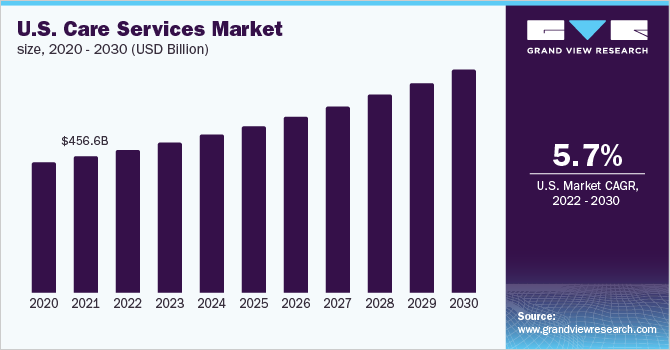
The U.S. care services market size was valued at USD 456.6 billion in 2021 and is expected to exhibit a CAGR of 5.76% during the forecast period. The growing prevalence of chronic diseases, government initiatives, the increasing requirement for nursing homes among the younger population, and the rising elder population are some of the key factors driving the U.S. care services market growth over the years. Moreover, rapid advancement and use of technology-based care services such as app-based teleconsultation, remote patient monitoring, and AI-based therapeutic & monitoring devices are further driving the service demand.

 U.S. care services market size, 2020 - 2030 (USD Billion)

According to the Department of Health & Human Services, 14% of the residents at nursing homes are between the ages of 31 and 64. Around 40% of the adolescents in the U.S. suffer from a chronic disease and are expected to require care services at a younger age. The younger population in the U.S. with disabilities is constantly rising. According to CDC, one in seven young adults suffers from a chronic disorder.

Gather more insights about the market drivers, restraints, and growth of the U.S. Care Services market

Unnecessary hospitalization often results in higher expenditure and degrades the quality of life. Thus, increasing preference for care settings such as home care, nursing homes, hospice, and assisted living facilities among baby boomers in the U.S. is driving the industry size.

The increasing geriatric population, rising prevalence of chronic conditions, cost-effective treatment, and rising need for wireless and portable systems are some of the major factors driving the remote patient monitoring market growth. The growing incidence of chronic diseases demands disease management and continuous patient monitoring tools are boosting the need for connected care devices. These devices are connected to electronic patient health records and provide access to the required health information during the course of treatment.

Government programs, such as Medicare and Medicaid, along with private health insurance companies and managed care organizations have a significant impact on the care services industry.

The federal and state governments in the U.S. are undertaking initiatives for enhancing the reach & quality of care services across the country. The federal government-initiated training & development programs for the workforce at care facilities, ensuring that the best services were provided at the facilities during the pandemic and in the future as well.

State governments are also actively undertaking initiatives for care services. For Instance, Washington State Legislature established a public insurance program, providing coverage for SNF, assisted living, hospice, and other care services, which would be applicable from 2025.

Browse through Grand View Research's Medical Devices Industry Related Reports

Home Healthcare Market - The global home healthcare market size was valued at USD 336.0 billion in 2021 and is expected to expand at a compound annual growth rate (CAGR) of 7.93% from 2022 to 2030.

U.S. Assisted Living Facility Market - The U.S. assisted living facility market size was valued at USD 87.4 billion in 2021 and is expected to expand at a compound annual growth rate (CAGR) of 5.48% from 2022 to 2030.

U.S. Care Services Industry Segmentation

Grand View Research has segmented the U.S. care services market based on type:

U.S. Care Services Type Outlook (Revenue, USD Billion, 2017 - 2030)

  • Skilled Nursing Facility
  • Assisted Living Facility
  • Hospice and Palliative Care
  • Post-Acute Care
  • Remote Patient Monitoring
  • Home-based Primary Care/House Calls

Market Share Insights:

November 2021: LHC Group acquired home health, hospice, & therapy assets from HCA healthcare.

August 2021: Humana acquired Kindred at Home, which includes services such as personal care, hospice, and home health.

Key Companies profiled:

Some prominent players in the U.S. Care Services Industry include

  • Kindred Healthcare, LLC
  • Amedisys, Inc
  • Sunrise Senior Living, LLC
  • National Healthcare Corporation
  • Brookdale Senior Living, Inc
  • Capital Senior Living Corporation
  • Home Instead, Inc
  • Genesis Healthcare, Inc
  • Diversicare Healthcare Services, Inc
  • LHC group, Inc

Order a free sample PDF of the U.S. Care Services Market Intelligence Study, published by Grand View Research.
Advanced Wound Care Market is driven by Introduction of Innovative and Advanced Wound Products

Advanced Wound Care Industry Overview

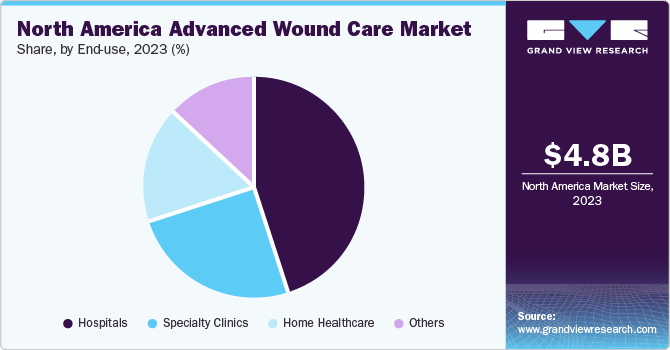
The global advanced wound care market size was valued at USD 6.7 billion in 2021 and is projected to expand at a compound annual growth rate (CAGR) of 5.4% from 2022 to 2030. The demand for advanced wound care products is increasing owing to the rising prevalence of chronic diseases across the globe. Furthermore, the increasing geriatric population is expected to impel market growth, as the geriatric population has slow healing capabilities. For instance, according to the WHO, in 2017, the proportion of people aged 60 or above was 9.8% and is expected to increase up to 13.7% and 20.3% by 2030 and 2050, respectively. Similarly, elderly people (aged ≥65) are currently the fastest-growing group of the general population in the U.S. The National Population Projections by the U.S. Census Bureau 2017, states that nearly one in four U.S. citizens are likely to be an older adult by 2060, which is expected to propel market growth.

North America advanced wound care market size, by product, 2020 - 2030 (USD Billion)

Advanced wound care products help to cure diabetic foot ulcers, which are prevalent in diabetic patients. For instance, according to ScienceDirect, diabetic foot ulcers may affect more than 25% of the diabetic population and may lead to amputation of the foot in 20% of patients. Thus, an increase in the number of diabetic patients is expected to increase the use of advanced wound care products. These products help in moisture retention and allow rapid healing of wounds internally as well as externally. Moreover, these products help in the absorption of necrotic tissues, which are effective in cases of surgical site infections. Thus, healthcare professionals prefer to use advanced wound care products, which is anticipated to propel market growth over the forecast period.

Gather more insights about the market drivers, restraints, and growth of the Global Advanced Wound Care Market

Moreover, technological advancements in advanced wound care products are projected to have a significant impact on the market for advanced wound care. Some of the major technological advanced products in this field are expected to be commercialized soon. For instance, nanoparticle-based wound healing and skin regeneration bioactive molecules over the applied area, maintain the drug release and specifically improve the therapeutic effects of drugs. Similarly, gene therapy which induces wound healing by introducing normal healthy genes into cells is expected to be commercialized. Thus, with such advancements in advanced wound care products, the market for advanced wound care is expected to propel during the forecast period.

Even though advanced wound care is a crucial part of healthcare, it experienced low demand in the market owing to the surge in COVID-19 cases. Due to the COVID-19 outbreak, healthcare facilities such as hospitals have been exhausted with a large number of COVID-19 patients; therefore, many countries have postponed elective surgeries and other healthcare procedures for an indefinite period. Moreover, the outbreak of COVID-19 has created large-scale opportunities for local manufacturers. Due to the restrictions on movement at international borders, the supply chain of major players has been disrupted. This created an opportunity for local players to enter the market for advanced wound care and meet the unmet demands of the end-users.

Countries have opened their international borders, with the development of vaccines, as a result, the supply chain is expected to normalize during the post-pandemic period. Due to the increase in the number of diabetic foot ulcers and earlier postponement of elective surgeries, the market for advanced wound care is expected to grow at a moderate pace during the post-pandemic period. Furthermore, many companies are opting for mergers and acquisitions, new product launches, and increasing their distribution network. For instance, in December 2021 Mölnlycke announced the launch of a new U.K. distribution center. Thus, the market for advanced wound care is expected to propel during the post-pandemic period.

Browse through Grand View Research's Medical Devices Industry Related Reports

Chronic Wound Care Market - The global chronic wound care market was valued at USD 12.8 billion in 2022 and is anticipated to expand at a compound annual growth rate (CAGR) of 4.07% from 2023 to 2030.

Acute Wound Care Market - The global acute wound care market size was valued at USD 8.25 billion in 2021 and is expected to expand at a compound annual growth rate (CAGR) of 4.24% from 2022 to 2030.

Advanced Wound Care Industry Segmentation

Grand View Research has segmented the global advanced wound care market on the basis of product, application, end-use, and region:

Advanced Wound Care Product Outlook (Revenue, USD Million, 2018 - 2030)

  • Moist
  • Antimicrobial
  • Active

Advanced Wound Care Application Outlook (Revenue, USD Million, 2018 - 2030)

  • Chronic Wounds
  • Acute Wounds

Advanced Wound Care End-use Outlook (Revenue, USD Million, 2018 - 2030)

  • Hospitals
  • Specialty Clinics
  • Home healthcare
  • Others

Advanced Wound Care Regional Outlook (Revenue, USD Million, 2018 - 2030)

  • North America
  • Europe
  • Asia Pacific
  • Latin America
  • MEA (Middle East & Africa)

Market Share Insights:

May 2020: Integra LifeSciences announced a positive clinical result for Integra Bilayer Wound Matrix (IBWM). This product is part of the company’s regenerative technology portfolio, which used collagen and amniotic products.

January 2020: ConvaTec announced the release of ConvaMax, a superabsorber dressing that is used for wound dressing for management of highly exuding wounds, such as pressure ulcers, leg ulcers, and diabetic foot ulcers.

Key Companies profiled:

Some prominent players in the global Advanced Wound Care Industry include

  • Smith & Nephew
  • Mölnlycke Health Care AB
  • ConvaTec Group PLC
  • Baxter International
  • URGO Medical
  • Coloplast Corp.
  • Medtronic
  • 3M
  • Derma Sciences Inc. (Integra LifeSciences)
  • Medline Industries

Order a free sample PDF of the Advanced Wound Care Market Intelligence Study, published by Grand View Research.

Veterinary Oncology Market Growth is propelled by Rising Expenditure on Animal Healthcare in Developed Economies

Veterinary Oncology Industry Overview

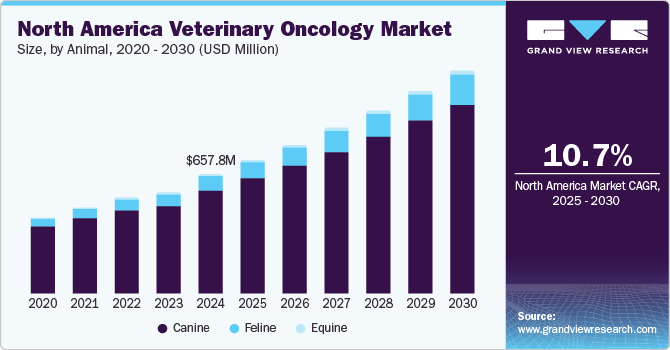
The global veterinary oncology market size was estimated at USD 207.5 million in 2021 and is anticipated to witness a compound annual growth rate (CAGR) of 12.1% from 2022 to 2030. The increasing pervasiveness of cancer in the pet population coupled with the rising adoption of veterinary cancer therapy as a treatment method is primarily propelling market growth. Growing expenditure on animal healthcare in developed economies due to rising willingness to spend on pet healthcare by owners and initiatives by the government for veterinary cancer treatment are major factors driving the market. In addition, in October 2019, the American Veterinary Medical Association (AVMA) anticipated that approximately 1 in 4 dogs will develop neoplasia at some stage of their lives.

North America veterinary oncology market size, by therapy, 2020 - 2030 (USD Million)

American Animal Hospital Association (AAHA) stated that neoplastic disease was the most common terminal pathological procedure in 73 out of 82 canines and also the reason for death in canines within 1 year of age. The disease often leads to traumatic injury. Feline Leukemia Virus (FeLV) is a commonly found infectious disease in cats and the feline population detected with FeLV was also reported to be one of the foremost causes of lymphoma in feline. Therefore, with the rising number of these cancer incidents, there is a necessity for effective veterinary oncology treatment in these animals. COVID-19 is likely to change the relationship of humans with companion animals.

Gather more insights about the market drivers, restraints, and growth of the Global Veterinary Oncology Market

A majority of pet owners got closer to their pets amid the nationwide lockdowns aimed at curbing disease transmission. As life returns to normal, pet owners are expected to integrate their pets into their daily practices, even more, prioritizing pet-friendly vacations and workplaces. 75% of pet owners surveyed by the American Pet Product Association stated that spending time with their animals helped decrease stress and improve wellbeing amid the pandemic. At animal shelters, adoption rates soared as much as 40% in 2020 over the earlier year in the U.S. The growing pet humanization trend is expected to support market growth.

The increasing number of veterinary clinical studies for evaluating safety and efficacy of different oncologic treatments in pets is further boosting market growth. AVMA created a database called AVMA Animal Health Studies Database (AAHSD) as a tool for investigators performing prospective veterinary clinical studies. Such studies by researchers focused on veterinary oncology treatment are anticipated to fuel market growth over the forecast period.

Supportive government initiatives pertinent to veterinary cancer treatment are also driving the market. For instance, in July 2019, the National Cancer Institute (NCI) supported clinical trial testing for veterinary oncology treatments in animals. The aim of the trials offered by veterinary medical schools worldwide was to find new cancer treatments that will preserve the dog’s quality of life. The trial was also conducted to provide an insight into how the veterinary oncology treatments and approaches being examined in dogs may be translated to help people with cancer, as humans and dogs share similar biology for cancer.

Moreover, spiraling collaborations for R&D of targeted therapies for cancer in companion animals is another contributing factor for market growth. For instance, in 2016, Zenoaq company, in collaboration with Nexvet Biopharma, developed Monoclonal Antibodies (MAbs) that attach and inhibit the immuno-oncology targeted programmed cell death protein 1 (PD-1). Such activities represent a promising yet challenging perspective and are also expected to bring a new paradigm in cancer therapy for pets.

Browse through Grand View Research's Animal Health Industry Related Reports

Veterinary Electrosurgery Market - The global veterinary electrosurgery market size was valued at USD 501.6 million in 2021 and is expected to expand at a compound annual growth rate (CAGR) of 6.9% from 2022 to 2030.

Veterinary Diagnostics Market - The global veterinary diagnostics market size was valued at USD 6.63 billion in 2021 and is expected to grow at a compound annual growth rate (CAGR) of 11.2% from 2022 to 2030.

Veterinary Oncology Industry Segmentation

Grand View Research has segmented the global veterinary oncology report on the basis of therapy, animal type, cancer type, and region:

Therapy Outlook (Revenue, USD Million, 2017 - 2030)

  • Surgery
  • Radiotherapy
  • Chemotherapy
  • Immunotherapy
  • Others

Animal type Outlook (Revenue, USD Million, 2017 - 2030)

  • Canine
  • Feline

Cancer type Outlook (Revenue, USD Million, 2017 - 2030)

  • Lymphoma
  • Mast Cell Cancer
  • Mammary and Squamous Cell Cancer
  • Others

Veterinary Oncology Regional Outlook (Revenue, USD Million, 2017 - 2030)

  • North America
  • Europe
  • Asia Pacific
  • Latin America
  • MEA (Middle East & Africa)

Market Share Insights:

April 2019: Elanco acquired Aratana Therapeutics, after which the company declared the formation of a commercial team devoted to the veterinary specialty business.

Key Companies profiled:

Some prominent players in the global Veterinary Oncology Industry include

  • PetCure Oncology
  • Zoetis
  • Karyopharm Therapeutics, Inc.
  • Varian Medical Systems
  • Accuray Incorporated
  • Boehringer Ingelheim GmbH
  • Elanco
  • One Health
  • Regeneus Ltd

Order a free sample PDF of the Veterinary Oncology Market Intelligence Study, published by Grand View Research.
Product Design and Development Services Market is driven by Decreasing Time to Design and Manufacture a Product

Product Design and Development Services Industry Overview

The product design and development services market size was valued at USD 8.6 billion in 2021 and is anticipated to exhibit a compound annual growth rate (CAGR) of 12.5% from 2022 to 2030. New standards and regulations, the need to reduce cost, and innovate the product quickly, as well as increasing demand for quality products and healthcare, are some of the major factors driving the growth. Developing medical devices often involves strict regulations and cutting-edge technology that gives an extra level of complexity to the manufacturing process.

U.S. product design and development market size, by service, 2020 - 2030 (USD Billion)

The design and development of a medical device is a complex process predominant with end-user needs, application requirements, specifications, and regulations and must be balanced and followed for the successful development of a product. Hence, there is much more that goes into designing, developing, as well as introducing a product to the market than just coming up with an innovative idea, building a product, and offering it to the masses.

Gather more insights about the market drivers, restraints, and growth of the Global Product Design And Development Services Market

Medical technology is rapidly evolving and becoming more interconnected. Universally, the manufacturers of medical devices are shifting from a transaction-based approach to an approach that encompasses focusing on creating value for patients, providers, payers, and practitioners by providing medical tools and surgical instruments that are innovative, highly cost-efficient, and speak volumes about the product quality. For instance, customized procedure trays that may be tailor-made as per the need of surgeons.

The medical device manufacturing industry is anticipated to grow by leaps and bounds due to the increasing geriatric population as well as health concerns and increased health care costs. Thus, manufacturers are undertaking new product development projects at a high speed, especially in developing markets such as India and China. Hence, the manufacturers will require a proper execution strategy to address the concerns and needs of the patients in the market. This is likely to increase the demand for the services, thereby boosting the market for product design and development services.

The COVID-19 pandemic has disrupted product development. There has been a change in the product development practice by restrictions including work from home, uncertain demand, no travel to customers or supplier’s virtual private network, and collaboration software tools. The travel restrictions have led to longer material ordering and shipping times which in turn made the movement of prototypes more difficult and create a need for more creative means to interact with supplies and customers.

Post COVID-19 product design & development services market has developed a few approaches that help in market recovery and for future growth of the market such as strategic alliances, accessing post-COVID risk in the product design and development sector, comparing with competitors by understanding strategic baseline, understanding long-term needs of the market, and network planning.

Browse through Grand View Research's Medical Devices Industry Related Reports

Durable Medical Equipment Market - The global durable medical equipment market size was valued at USD 196.4 billion in 2021 and is anticipated to expand at a CAGR of 5.9% over the forecast period.

Surgical Equipment Market - The global surgical equipment market size was valued at USD 14.34 billion in 2021 and is expected to expand at a compound annual growth rate (CAGR) of 9.3% from 2022 to 2030.

Product Design And Development Services Industry Segmentation

Grand View Research has segmented the global product design and development services market based on services, application, end-use, and region:

Product Design And Development Services Outlook (Revenue, USD Million, 2018 - 2030)

  • Research, Strategy, & Concept Generation
  • Concept & Requirements Development
  • Detailed Design & Process Development
  • Design Verification
  • Process Validation, Manufacturing Transfer & Design Validation
  • Production & Commercial Support

Product Design And Development Services Application Outlook (Revenue, USD Million, 2018 - 2030)

  • Diagnostic Equipment
  • Therapeutic Equipment
  • Surgical Instruments
  • Clinical Laboratory Equipment
  • Biological Storage
  • Consumables
  • Others

Product Design And Development Services End-use Outlook (Revenue, USD Million, 2018 - 2030)

  • Medical Device Companies
  • Pharmaceutical Companies
  • Biotechnology Companies
  • Contract Research Organizations

Product Design And Development Services Regional Outlook (Revenue, USD Million, 2018 - 2030)

  • North America
  • Europe
  • Asia Pacific
  • Latin America
  • MEA (Middle East & Africa)

Market Share Insights:

November 2021: Planet Innovation (PI) acquired the North American operations of BIT Analytical Instruments GmbH, which manufactures regulated medical devices. A key aim of the acquisition is for PI to expand its US manufacturing capabilities in order to support its growing US customer base.

Key Companies profiled:

Some prominent players in the global Product Design and Development Services Industry include

  • Ximedica
  • DeviceLAb
  • Jabil, Inc.
  • Flex Ltd
  • Plexus Corp
  • Nordson Medical
  • Celestica, Inc.
  • Starfish Medical
  • Planet Innovation
  • Donatelle
  • Cambridge Design Partnership
  • Aran Biomedical

Order a free sample PDF of the Product Design And Development Services Market Intelligence Study, published by Grand View Research.

Rhinoplasty Market growth is attributed to Rising Awareness of Aesthetics and Physical Appearance

Rhinoplasty Industry Overview

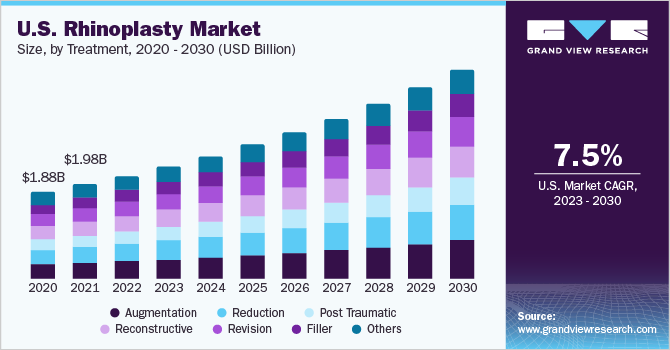
The global rhinoplasty market size was valued at USD 5.1 billion in 2021 and is projected to grow at a compound annual growth rate (CAGR) of 8.9% during the forecast period. It is a surgical procedure being performed to alter the structure of the nose. It is done to overcome breathing issues raised from injury or birth structural defects. However, nowadays it is highly performed for cosmetic reasons to alter the structure of the nose to enhance facial features or physical appeal.

U.S. rhinoplasty market size, by treatment, 2020 - 2030 (USD Million)

Growing awareness of aesthetics and physical appearance is projected to drive the market growth of the market. The launch of technologically advanced treatment techniques such as 3D computer-assisted technologies has led to increased demand for rhinoplasty surgery. Furthermore, in 2018, according to the Plastic Surgery Statistics Report, rhinoplasty or nose reshaping was among the top five cosmetic surgical procedures at a global level. As per the American Society of Plastic Surgeons (ASPS), the rhinoplasty procedure is the most complex facial surgery that has a revision rate of as high as 15.0%.

Gather more insights about the market drivers, restraints, and growth of the Global Rhinoplasty Market

The outbreak of coronavirus has impacted the market negatively as there was a decline in the number of procedures in 2020 due to global restrictions. The COVID-19 pandemic has significantly affected the rhinoplasty market. Initially, there were increased concerns, especially for rhinoplasty surgeons, as the virus can transmit from the nose, and the chances of transmission were high. Cosmetic surgeons are virtually communicating with their patients using telemedicine. Only the emergency procedures were performed too with strict protocols to be followed.

However, on the other side, aesthetic surgery clinics in countries such as Japan, the U.S., South Korea, and Australia witnessed a rise in the number of people opting for plastic and cosmetic surgeries such as rhinoplasty as they had enough recovery time at home and have the option of wearing a mask while going outside.

The launch of any product for rhinoplasty procedures is strictly governed by specific regulations, whose approval is necessary for the launch of new products in the market. The rising adoption of cosmetic surgeries among celebrities and increasing awareness regarding cosmetic surgeries are expected to propel the growth of the market. However, complications associated with the surgeries, like bleeding after rhinoplasty procedures and chances of success rate could hamper the growth of the rhinoplasty market.

According to the American Society of Plastic Surgeons (ASPS) statistics, nose surgeries or rhinoplasty is gaining huge popularity and have become the third most popular aesthetic procedure in the United States. The recently released report from the American Society of Plastic Surgeons on annual trends showed just how significantly the coronavirus pandemic rocked the aesthetics world. However, it is also one of the most complex surgeries to perform. The American Journal of Cosmetic Surgery stated that revision rhinoplasty surgeries in the region are steadily rising.

Furthermore, rhinoplasty is the most prevalent type of cosmetic procedure when it comes to males in the United States. From the improvement of functionality to the correction of flaws, there are many factors for rhinoplastic surgery in males. Even though women account for nearly 90% of all plastic surgeries in the U.S., male rhinoplasty is becoming more prevalent. This is likely to drive the market of rhinoplasty further in the region.

Browse through Grand View Research's Medical Devices Industry Related Reports

Non-surgical Rhinoplasty Market - The global non-surgical rhinoplasty market size was valued at USD 649 million in 2021 and is expected to expand at a compound annual growth rate (CAGR) of 8.1% from 2022 to 2030.

Facial Implant Market - The global facial implant market size was valued at USD 2.48 billion in 2021 and is expected to expand at a CAGR of 8.2% from 2022 to 2030.

Rhinoplasty Industry Segmentation

Grand View Research has segmented the global rhinoplasty market based on treatment type, technique, and region:

Treatment Type Outlook (Revenue, USD Million, 2018 - 2030)

  • Augmentation
  • Reduction
  • Post-traumatic
  • Reconstructive
  • Revision
  • Filler
  • Others (Ethnic Rhinoplasty, Refinement Rhinoplasty)

Technique Outlook (Revenue, USD Million, 2018 - 2030)

  • Open Rhinoplasty
  • Closed Rhinoplasty

Rhinoplasty Regional Outlook (Revenue, USD Million, 2018 - 2030)

  • North America
  • Europe
  • Asia Pacific
  • Latin America
  • MEA (Middle East & Africa)

Market Share Insights:

April 2019: Researchers at the Occidental College developed a non-surgical nose job that uses tiny needles, an electric current, and 3D-printed molds to reshape living tissue. In this, small needles are inserted into the cartilage, an electrical current is passed through, and the cartilage is reformed to the desired shape. The innovative technology could take just 5 minutes and revolutionize cosmetic surgery in near future.

Key Companies profiled:

Some prominent players in the global Rhinoplasty Industry include

  • Stryker
  • Grover Aesthetics
  • Sunset Cosmetic Surgery
  • Implantech
  • GC Aesthetics
  • Surgiform Technologies LLC

Order a free sample PDF of the Rhinoplasty Market Intelligence Study, published by Grand View Research.

Urban Growth and Electricity Demand Expand the Footprint of the Protective Relay Market

Protective relays rarely make headlines, but power systems depend on them. They detect faults, isolate the affected section in milliseconds,...