Peptide Therapeutics Market Organization Segment Trends, PEST Analysis and Forecast

Peptide Therapeutics Industry Overview

The global peptide therapeutics market size was valued at USD 39.3 billion in 2021 and is expected to expand at a compound annual growth rate (CAGR) of 6.4% from 2022 to 2030. The rising incidence of cancer as well as metabolic disorders such as osteoporosis, obesity, and diabetes will drive the adoption of peptide therapeutics during the forecast period. Due to the sheer growing number of affected pediatric patients and the pervasiveness of target diseases in low-income countries, there is a high demand for efficient and low-cost drugs.
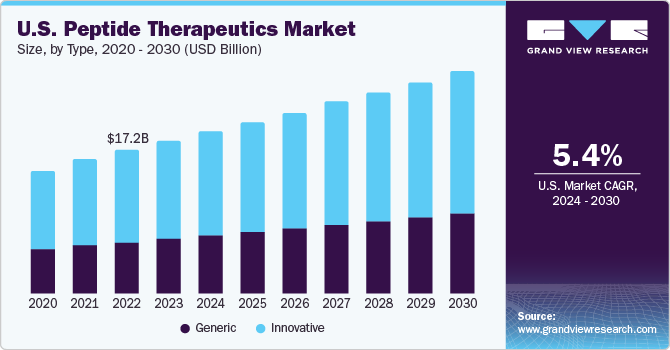
U.S. peptide therapeutics market size, by type, 2020 - 2030 (USD Billion)

Advanced peptides are now being created and reconfigured as therapeutics for COVID-19. Researchers around the world are looking for compounds that either block the mechanisms involved in Severe acute respiratory infection and replication or treat the conditions resulting from infection. The Food and drug administration updated its description of a biologic on February 21, 2020, to include chemically synthesized polypeptides with more than 40 amino acids but much less than 100 amino acids in size and synthetic peptides with 40 amino acids or even less. As a result, because peptide drugs are being recognized as a potential treatment for COVID-19, COVID-19 may have a positive effect on the market.

Gather more insights about the market drivers, restraints, and growth of the Global Peptide Therapeutics market

The market is estimated to witness lucrative growth in the forecast period due to the initiatives undertaken by many companies for investigating the development of new drug candidates. To retain their position in the market, companies engage in extensive R&D initiatives to develop novel drugs exhibiting higher efficiency in the treatment of target diseases. Clinical trials for these drugs have also significantly increased over the past decade. This is also expected to propel growth over the forecast period. For instance, in January 2022, Amgen and Generate Biomedicines declared a research partnership deal to explore and develop protein therapeutics for its five clinical objectives throughout multiple therapeutic areas and modes of delivery.

Moreover, chronic diseases like cancer and diabetes and cardiovascular diseases are the foremost causes of morbidity and mortality worldwide, as per the World Health Organization (WHO). Chronic disease rates have skyrocketed globally, advancing across all regions and affecting all socioeconomic classes. Chronic diseases were estimated to cause 73 percent of all deaths and 60 percent of the global disease burden in 2020. As a result, the rising prevalence of chronic diseases increases the demand for effective therapeutics, which is anticipated to drive the market. However, peptide therapeutics' upheaval, the rising cost of developing drugs, and strict regulatory prerequisites for drug approval are expected to limit the market growth. 

Browse through Grand View Research's Pharmaceuticals Industry Research Reports.

Gastrointestinal Therapeutics Market - The global gastrointestinal therapeutics market size was valued at USD 37.6 billion in 2022 and is expected to expand at a compound annual growth rate (CAGR) of 3.3% from 2023 to 2030.

Head And Neck Cancer Therapeutics Market - The global head and neck cancer therapeutics market size was valued at USD 1.22 billion in 2021 and is expected to expand at a compounded annual growth rate (CAGR) of 12.5% from 2022 to 2030.

Peptide Therapeutics Market Segmentation 

Grand View Research has segmented the global peptide therapeutics market by application, type, type of manufacturers, route of administration, synthesis technology, and region:

Peptide Therapeutics Application Outlook (Revenue, USD Million, 2017 - 2030)

  • Cancer
  • Metabolic
  • Cardiovascular Disorder
  • Respiratory
  • GIT
  • Antiinfection
  • Pain
  • Dermatology
  • CNS
  • Renal
  • Others

Peptide Therapeutics Type Outlook (Revenue, USD Million, 2017 - 2030)

  • Generic
  • Innovative

Peptide Therapeutics Type of Manufacturers Outlook (Revenue, USD Million, 2017 - 2030)

  • In-house
  • Outsourced

Peptide Therapeutics Route of Administration Outlook (Revenue, USD Million, 2017 - 2030)

  • Parenteral Route
  • Oral Route
  • Pulmonary
  • Mucosal
  • Others

Peptide Therapeutics Synthesis Technology Outlook (Revenue, USD Million, 2017 - 2030)

  • Solid Phase Peptide Synthesis (SPPS)
  • Liquid Phase Peptide Synthesis (LPPS)
  • Hybrid Technology

Regional Outlook (Revenue, USD Million, 2017 - 2030)

  • North America
  • Europe
  • Asia Pacific
  • Latin America
  • Middle East and Africa (MEA)

Market Share Insights

May 2022: Pfizer Inc. and Biohaven Pharmaceutical Holding Company Ltd. revealed a new agreement under which Pfizer will procure Biohaven, the manufacturer of NURTEC ODT, an advanced dual-acting migraine therapy authorized for both acute treatments as well as episodic migraine prevention in adults.

May 2022: Bristol Myers Squibb and LOTTE Corporation stated that LOTTE has decided to acquire Bristol Myers Squibb's East Syracuse, New York-based production plant. The East Syracuse location will house LOTTE's novel biologics CDMO business in the U.S.

Key Companies profiled:

Some of the prominent players in the Peptide Therapeutics market include:

  • Eli Lilly and Company
  • Pfizer, Inc.
  • Amgen, Inc.
  • Takeda Pharmaceutical Company Limited
  • Teva Pharmaceuticals Industries Ltd.
  • Lonza Inc.
  • Sanofi
  • Bristol-Myers Squibb (BMS)
  • AstraZeneca PLC
  • GlaxoSmithKline plc (GSK)
  • Novartis AG
  • Novo Nordisk A/S

Order a free sample PDF of the Peptide Therapeutics Market Intelligence Study, published by Grand View Research.
Hearing Aids Market Driver, Restraint, Challenges and Opportunities Study

Hearing Aids Industry Overview

The global hearing aids market size was valued at USD 10.1 billion in 2021 and is expected to expand at a compound annual growth rate (CAGR) of 4.9% from 2022 to 2030. The market growth can be attributed to key factors such as the increasing adoption of hearing aids devices, growing awareness regarding technologically advanced devices for the treatment of deafness and hearing impairment, and the increasing prevalence of hearing loss due to the growing geriatric population. The market is a highly technological driven market that has seen the emergence of novel products including smart linked hearing aids, invisible hearing aids, and AI- and Bluetooth-enabled hearing aids that can be connected to Android or iOS.

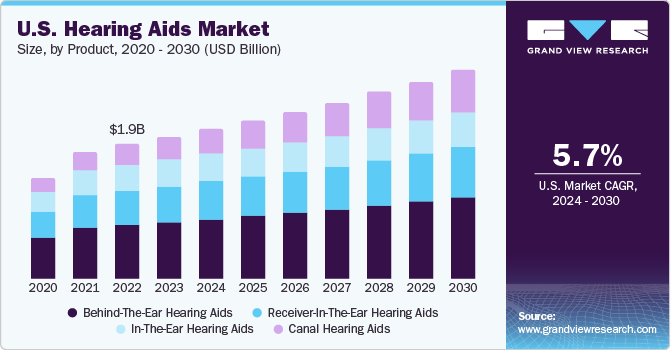
U.S. hearing aids market size, by product type, 2020 - 2030 (USD Billion)

For example, in August 2021, Phonak introduced the world's first waterproof rechargeable, Audéo Life hearing aid. Hence, hearing aid companies are improving patients' experiences with new features and technology, which is expected to fuel market growth in the coming years. Moreover, in the U.S., approximately 15% of patients aged between 18 and over suffer from hearing loss. For instance, the FDA announced a proposal in October 2021 that it wants to establish a new category of low-cost over-the-counter hearing aids. This opens up a new revenue stream for businesses looking to acquire a foothold in the OTC hearing aid market.Such substantial government and regulatory support are projected to have a long-term positive impact on the hearing aids sector in the U.S.

Gather more insights about the market drivers, restraints and growth of the Global Hearing Aids market

Moreover, hearing service offices and general healthcare service associations of local governments in both developed and developing economies are emphasizing early screening of deafness and the provision of hearing aids to people. As the healthcare sector in emerging economies is moving towards privatization, healthcare infrastructure in these countries is undergoing rapid development. Education and increased awareness regarding health among people are also playing an important role in increasing the demand for these devices and their diagnostic services.

The COVID-19 outbreak has had a significant impact on the healthcare industry. Among COVID-19 positive patients, most hospitals are running out of beds. In addition, a number of elective procedures are being canceled or postponed in order to reallocate resources. According to the Hearing Industries Association (HIA), hearing aid sales in the U.S. has declined by 29.7% in the first half of 2020. Due to the postponement of procedures like the cochlear implantation technique, which is one of the most significant treatments to address hearing impairments, the pandemic had a detrimental influence on the total sales of hearing aid support goods. As a result, sales of hearing aids from major manufacturers have decreased.Despite all of these obstacles, the hearing aids business and other medical industries are progressively regaining ground as the COVID-19 situation throughout the world normalizes. 

Browse through Grand View Research's Medical Devices Industry Research Reports.

Over-The-Counter Hearing Aids Market - The global over-the-counter hearing aids market size was valued at USD 1.05 billion in 2022 and is expected to grow at a compound annual growth rate (CAGR) of 5.7% from 2023 to 2030.

Audiology Devices Market - The global audiology devices market size was valued at USD 8.9 billion in 2021 and is expected to grow at a compound annual growth rate (CAGR) of 7.1% from 2022 to 2030.

Hearing Aids Market Segmentation 

Grand View Research has segmented the global hearing aids market on the basis of product type, technology type, sales channel, type of hearing loss, patient type and region:

Hearing Aids Product Type Outlook (Volume, ’000 Units; Revenue, USD Million, 2017 - 2030)

  • In-the-Ear Hearing Aids
  • Receiver-in-the-Ear Hearing Aids
  • Behind-the-Ear Hearing Aids
  • Canal Hearing Aids

Hearing Aids Technology Type Outlook (Volume, ’000 Units; Revenue, USD Million, 2017 - 2030)

  • Digital
  • Analog

Hearing Aids By Type of Hearing Loss Outlook (Revenue, USD Million, 2017 - 2030)

  • Sensorineural Hearing Loss
  • Conductive Hearing Loss

Hearing Aids Patient Type Outlook (Revenue, USD Million, 2017 - 2030)

  • Adults
  • Pediatrics

Hearing Aids Sales Channel Outlook (Volume, ’000 Units; Revenue, USD Million, 2017 - 2030)

  • Retail Sales
  • Government Purchases
  • E-commerce

Regional Outlook (Volume, ’000 Units; Revenue, USD Million, 2017 - 2030)

  • North America
  • Europe
  • Asia Pacific
  • Latin America
  • Middle East and Africa (MEA)

Market Share Insights

March 2022: Sonova Holding AG completed the acquisition of Sennheiser electronic GmbH & Co. KG's Consumer Division. This will enhance Sonova's engaging product portfolio while also expanding its network footprint and client base.

February 2021: GN Store Nord A/S launched a new ReSound Key, a comprehensive hearing aid portfolio that provides more access to better hearing technologies throughout the world. This launch will enable the firm to expand its product offering and serve a larger consumer base.

Key Companies profiled:

Some of the prominent players in the Hearing Aids market include:

  • Phonak
  • Benson Hearing
  • GN Store Nord A/S
  • Starkey
  • MED-EL
  • William Demant Holding A/S
  • Medtronic
  • Widex USA, Inc.
  • Sivantos Pte LTD
  • Audina Hearing

Order a free sample PDF of the Hearing Aids Market Intelligence Study, published by Grand View Research.
Medical Gas Market Size, Challenges Analysis, Porter’s Five Forces Study and Forecast

Medical Gas Industry Overview

The global medical gas market size was valued at USD 12.8 billion in 2021 and is projected to expand at a compound annual growth rate (CAGR) of 8.1% from 2022 to 2030. The rising prevalence of chronic diseases, and advantageous initiatives commenced by government organizations, are key factors driving the market. Moreover, the growing geriatric population and rising demand for home healthcare and point-of-care products are some of the other factors responsible for the market.

U.S. medical gas market size, by product, 2020 - 2030 (USD Billion)

The rising prevalence of Chronic Respiratory Diseases (CRDs) such as asthma, chronic obstructive pulmonary disease, occupational lung diseases, and pulmonary hypertension is driving the demand for medical gases. For instance, the WHO data states that more than 3.0 million people die each year from Chronic Obstructive Pulmonary Disease (COPD), accounting for approximately 6% of all deaths worldwide and might become the third leading cause of death in the world by 2030. In addition, as per the same source, nearly 235.0 million people suffer from asthma. Medical gases such as oxygen, lung gas mixtures, and heliox are used extensively in the treatment and diagnosis of these respiratory disorders.

Gather more insights about the market drivers, restraints, and growth of the Global Medical Gas market

The growing aging population susceptible to chronic conditions is foreseen to indirectly drive the demand for medical gases. The aging population is more vulnerable to chronic diseases, owing to weakened immune responses. According to the WHO statistics, 2021, the global population of adults aged 60 and above might nearly double (2.1 billion) by 2050. Moreover, the number of persons aged 80 years or older is likely to reach 426 million by 2050. As a result of the large increase in the geriatric population, the prevalence of respiratory conditions has increased. For instance, as per the Princeton Health Care Center data around 15.0% of older adults suffer from asthma, Chronic Obstructive Pulmonary Disease (COPD), or other respiratory disorders. Such facts and figures showcase that the demand for oxygen supply is expected to surge, which may eventually drive the market throughout the forecast period.

Mounting demand for home healthcare and point of care diagnostics markets is anticipated to boost the market by triggering a rise in demand for packaged medical-grade gases (such as oxygen). In July 2012, the U.S. Congress passed a bill putting into effect the Food and Drug Safety and Innovation Act. This act is expected to serve this market as a driver during the forecast period owing to the elimination of drug user fees for medical gas manufacturers and the establishment of a standard certification process for medical gas among others. 

Browse through Grand View Research's Medical Devices Industry Research Reports.

Medical Adhesive Tapes Market - The global medical adhesive tapes market size was valued at USD 750.9 million in 2022 and is expected to expand at a compound annual growth rate (CAGR) of 5.3% from 2023 to 2030.

Medical Affairs Outsourcing Market - The global medical affairs outsourcing market size was valued at USD 1.7 billion in 2022 and is expected to expand at a CAGR of 13.6% over the forecast period.

Medical Gas Market Segmentation 

Grand View Research has segmented the global medical gas market on the basis of product, application, end use, and region:

Medical Gas Product Outlook (Revenue, USD Million, 2018 - 2030)

  • Pure Gases
  • Gas Mixtures

Medical Gas Application Outlook (Revenue, USD Million, 2018 - 2030)

  • Therapeutic
  • Diagnostics
  • Pharmaceutical Manufacturing
  • Others

Medical Gas End-use Outlook (Revenue, USD Million, 2018 - 2030)

  • Hospitals
  • Ambulatory Surgical Centers
  • Home Healthcare
  • Pharmaceutical And Biotechnology Companies
  • Diagnostic and Research Laboratories
  • Academic And Research Institutions

Regional Outlook (Revenue, USD Million, 2018 - 2030)

  • North America
  • Europe
  • Asia Pacific
  • Latin America
  • Middle East and Africa (MEA)

Market Share Insights

June 2021: Air Liquide S.A. agreed to purchase South Africa's largest oxygen-producing facility. Sasol and Air Liquide strategically made a deal for Air Liquide to buy and operate the plant. This strategy is expected to boost the firm’s overall manufacturing capacity and strengthen its market position.

Key Companies profiled:

Some of the prominent players in the Medical Gas market include:

  • Linde plc.
  • Air Liquide
  • Atlas Copco
  • Messer
  • Air Products Inc.
  • Taiyo Nippon Sanso Corporation
  • Matheson Tri-Gas Inc.

Order a free sample PDF of the Medical Gas Market Intelligence Study, published by Grand View Research.
Molecular Diagnostics Market PEST Analysis, Distribution Channel Outlook and Regional Trend

Molecular Diagnostics Industry Overview

The global molecular diagnostics market size was valued at USD 37.04 billion in 2021 and is expected to decline at a compound annual growth rate (CAGR) of -1.6% from 2022 to 2030. The shrinking of the market can be attributed to the decline in demand for molecular COVID-19 testing during the forecast period. However, factors such as technological advancements, rising elderly population, and increasing demand for genetic testing is boosting the growth of the market. In addition, rising demand for PoC testing can be attributed to increasing demand for self-testing diagnostics, and patient awareness about faster diagnostics.

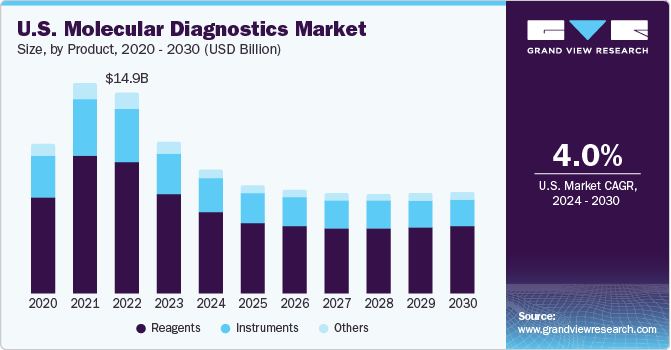
U.S. molecular diagnostics market size, by product, 2020 - 2030 (USD Million)

The outbreak of COVID-19 impelled the diagnostics industry into action, with a race to develop novel and rapid diagnostics kits for the detection of coronavirus. The pandemic led to a spike in the revenue of companies operating in the infectious diseases segment. For instance, in April 2021, a 59% rise in revenue was reported by Thermo Fisher Scientific, owing to the diagnostics division that delivered 150% growth. However, with the rising number of vaccinations globally, the demand for diagnostics for COVID-19 testing is likely to decline during the forecast period.

Gather more insights about the market drivers, restraints, and growth of the Global Molecular Diagnostics market

The rising geriatric population globally is increasing the risk of getting numerous diseases including cancer, cardiovascular diseases, obesity, neurological disorders, and diabetes. According to a UN report, in 2020, there were about 727 million people aged 65 years & above globally. In addition, the number of individuals aged 80 and above is projected to double by 2050, that is, to cross more than 1.5 billion. The fact that the global geriatric population is expected to grow over the forecast period is anticipated to be a high-impact rendering driver of the market.

The geriatric population is more likely to suffer from COVID-19 due to decreased immune function, multimorbidity, and physiological changes associated with aging. According to WHO Regional Director for Europe, till April 2020, around 95% of the deaths were reported among patients 60 years or above. Furthermore, more than 50% of deaths occurred in patients aged 80 years or older.

In addition, the growing incidence of infectious diseases is expected to propel market growth over the forecast period. Moreover, the growing incidence of STIs, such as HIV and HPV, is expected to expand the target population, thereby boosting the market growth. According to WHO, globally, in 2020, the prevalence and incidence of HIV were approximately 37.7 million and 1.5 million, respectively. Furthermore, people suffering from HIV are highly susceptible to other infections such as tuberculosis, which is the leading cause of death among HIV-affected people.

The rising initiatives by market players to improve access to cost-effective resources are anticipated to drive the molecular diagnostics market growth. Molecular diagnostics render accurate & effective results and has indispensable applications in disease diagnostics. However, high prices associated with molecular tests are one of the major factors impeding this market. 

Browse through Grand View Research's Clinical Diagnostics Industry Research Reports.

Rapid Tests Market - The global rapid tests market size was valued at USD 1.29 billion in 2022 and is expected to expand at a compound annual growth rate (CAGR) of 8.6% from 2023 to 2030.

Body Fluid Collection And Diagnostics Market - The global body fluid collection and diagnostics market size was valued at USD 30.19 billion in 2022 and is projected to expand at a compound annual growth rate (CAGR) of 7.5% from 2023 to 2030.

Molecular Diagnostics Market Segmentation 

For this report, Grand View Research has segmented the global molecular diagnostics market based on product, test location, technology, application, and region:

Product Outlook (Revenue, USD Million, 2017 - 2030)

  • Instruments
  • Reagents
  • Others

Test Location Outlook (Revenue, USD Million, 2017 - 2030)

  • Point-of-Care
  • Self-test or Over the Counter
  • Central Laboratories

Technology Outlook (Revenue, USD Million, 2017 - 2030)

  • Polymerase chain reaction (PCR)
  • In Situ Hybridization (ISH)
  • Isothermal Nucleic Acid Amplification Technology (INAAT)
  • Chips and Microarrays
  • Mass Spectrometry
  • Sequencing
  • Transcription Mediated Amplification (TMA)
  • Others

Application Outlook (Revenue, USD Million, 2017 - 2030)

  • Oncology
  • Pharmacogenomics
  • Infectious Diseases
  • Genetic Testing
  • Neurological Disease
  • Cardiovascular Disease
  • Microbiology
  • Others

Regional Outlook (Revenue, USD Million, 2017 - 2030)

  • North America
  • Europe
  • Asia Pacific
  • Latin America
  • Middle East and Africa (MEA)

Market Share Insights

December 2021: Roche completed the acquisition of TIB Molbiol Group. TIB Molbiol Group has around 45 CE-IVD approved assays for the diagnosis of infectious diseases, inherited genetic testing, transplant medicine, and hematology testing.

May 2021: Roche acquired GenMark Diagnostics for USD 1.8 billion. This acquisition will help Roche expand its molecular diagnostics portfolio.

Key Companies profiled:

Some of the prominent players in the Molecular Diagnostics market include:

  • BD
  • bioMérieux SA
  • Bio-Rad Laboratories, Inc.
  • Abbott
  • Agilent Technologies, Inc.
  • Danaher
  • Hologic Inc. (Gen Probe)
  • Illumina, Inc.
  • Johnson & Johnson Services, Inc.
  • Grifols, S.A.
  • QIAGEN
  • F. Hoffmann-La Roche, Ltd.
  • Siemens Healthineers AG
  • Sysmex Corporation

Order a free sample PDF of the Molecular Diagnostics Market Intelligence Study, published by Grand View Research.

In Vitro Diagnostics Market Application, Profit Margin Analysis and Business Environment Study

In Vitro Diagnostics Industry Overview

The global in vitro diagnostic market size was valued at USD 111.67 billion in 2021 and is projected to grow at a compound annual growth rate (CAGR) of 0.2% from 2022 to 2030. The growth can be attributed to the increasing adoption of IVDowing to the rise in testing due to the pandemic. The development of automated IVD systems for laboratories and hospitals to provide efficient, accurate, and error-free diagnoses is expected to fuel the market growth. The rising number of IVD (in vitro diagnostics ) products being launched by key players is also fueling the growth of the market. IVD products with molecular diagnostic capabilities deliver effective and accurate results.

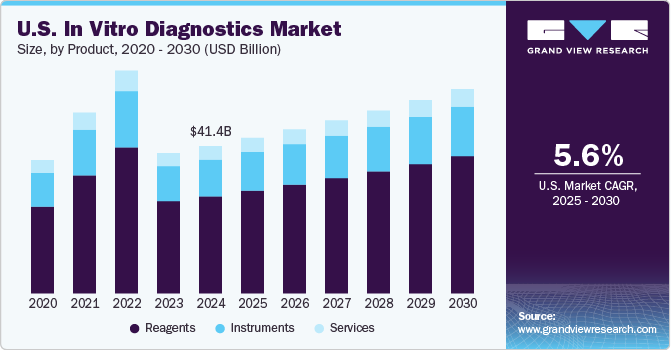
 U.S. in vitro diagnostics market size, by product, 2022 - 2030 (USD Billion)

In May 2021, an ultrasensitive molecular test was developed by the University of California. This test is based on a chip technology that can detect the presence of influenza A and SARS-CoV-2 antigens. The test is under further study for conversion into a Point-of-Care (POC) test. There has been a shift in the industry dynamics, with the increasing number of players focusing on launching tests for home-based testing. Moreover, in 2021, the FDA also prioritized home-based molecular diagnostic tests. In March 2021, BATM Advanced Communications Ltd. announced the launch of its molecular diagnostics self-test kit for the detection of COVID-19.

Gather more insights about the market drivers, restraints, and growth of the Global In Vitro Diagnostics market

Moreover, these tests enable the early detection of diseases, maintaining a low threat of substitutes. However, the high prices of these tests are expected to encourage patients to shift to external substitutes. Moreover, for the detection of newer infections, such as SARS-CoV-2, the rate of internal substitution is high, which boosts competitive rivalry. The penetration of IVD products from established players is low in regions, such as APAC; this region is highly dominated by local players selling instruments at lower costs. Technological advancements in terms of portability, accuracy, and cost-effectiveness are projected to be among the major drivers of this market. 

The rise in the geriatric population and growth in knowledge regarding early testing has led to a surge in the number of regular check-ups, as a majority of deaths due to infections and chronic conditions occur in the population aged over 75 years. As per the Office for Budget Responsibility, U.K., healthcare costs have risen exponentially, which can create economic pressure on rapidly aging nations. However, this expenditure is anticipated to translate positively for the IVD industry, driving the market growth. 

Browse through Grand View Research's Clinical Diagnostics Industry Research Reports.

In-vitro Toxicology Testing Market - The global in-vitro toxicology testing market size was valued at USD 28,014.0 million in 2022 and is projected to expand at a compound annual growth rate (CAGR) of 11.10% from 2023 to 2030.

Vacuum Blood Collection Tube Market - The global vacuum blood collection tube market size was valued at USD 2.98 billion in 2022 and is anticipated to expand at a compound annual growth rate (CAGR) of 3.02% from 2023 to 2030.

In Vitro Diagnostics Market Segmentation 

Grand View Research has segmented the global in vitro diagnostics market based on product, technology, application, end-use, test location, and region:

IVD Product Outlook (Number of Instruments Installed in Thousands, Number of Reagents Sold in Millions; Revenue, USD Million, 2018 - 2030)

  • Instruments
  • Reagents
  • Services

IVD Technology Outlook (Number of Instruments Installed in Thousands, Number of Reagents Sold in Millions; Revenue, USD Million, 2018 - 2030)

  • Immunoassay
  • Hematology
  • Clinical Chemistry
  • Molecular Diagnostics
  • Coagulation
  • Microbiology
  • Others

IVD Application Outlook (Revenue, USD Million, 2018 - 2030)

  • Infectious Disease
  • Diabetes
  • Oncology
  • Cardiology
  • Nephrology
  • Autoimmune Disease
  • Drug Testing
  • Others

IVD End-use Outlook (Number of Instruments Installed in Thousands, Number of Reagents Sold in Millions; Revenue, USD Million, 2018 - 2030)

  • Hospitals
  • Laboratories
  • Home Care
  • Others

IVD Test Location Outlook (Revenue, USD Million, 2018 - 2030)

  • Point of Care
  • Home Care
  • Others

IVD Regional Outlook (Number of Instruments Installed in Thousands, Number of Reagents Sold in Millions; Revenue, USD Million, 2018 - 2030)

  • North America
  • Europe
  • Asia Pacific
  • Latin America
  • Middle East and Africa (MEA)

Market Share Insights

January 2021: Abbott received FDA approval for its rapid handheld Traumatic Brain Injury (TBI) blood test. The first-of-its-kind test is used for assessing mild TBIs and concussions in patients.

March 2020: Abbott launched the RealTime SARS-CoV-2 assay, a PCR-based test, for the diagnosis of COVID-19, and BioMedomics launched a point-of-care COVID-19 test that can detect antibodies in blood within 15 minutes.

Key Companies profiled:

Some of the prominent players in the In Vitro Diagnostics market include:

  • Abbott
  • Bio-Rad Laboratories, Inc.
  • Quest Diagnostics
  • bioMérieux SA
  • QIAGEN
  • Sysmex Corp.
  • Agilent Technologies

Order a free sample PDF of the In Vitro Diagnostics Market Intelligence Study, published by Grand View Research.

mHealth Market Size, Share and Trends Analysis Report by Services, 2030

mHealth Industry Overview

The global mHealth market size was valued at USD 56.8 billion in 2022 and is expected to expand at a compound annual growth rate (CAGR) of 10.8% from 2023 to 2030. The rising focus on improving personal health and fitness using smart devices and wearables is the major factor accelerating market growth. Besides, increasing penetration of the internet and smartphones and growing adoption of mHealth technology and platforms by physicians and patients are also anticipated to propel market growth. Furthermore, the rising penetration of digital health services for remote patient monitoring is also increasing the demand for mobile health apps, which in turn is expected to propel market growth over the forecast years.

U.S. mHealth market size, by component, 2020 - 2030 (USD Billion)

In addition, growing awareness among the individuals to use mobile health solutions and supportive government initiatives to introduce and promote remote digital healthcare are some of the factors expected to boost the market growth over the years. In addition, the increasing use of smartphones among the adult population and teenagers is also anticipated to drive the growth of mHealth platforms and technologies in the upcoming years. Moreover, the shift in trend from conventional healthcare practices to patient-centric and preventive approaches is also anticipated to drive the market for mHealth over the years. The high preference for mobile medical platforms and the positive attitude of healthcare professionals toward real-time patient care are also likely to accelerate the growth of the market during the forecast years.

Gather more insights about the market drivers, restraints, and growth of the Global mHealth market

For instance, the data published in a digital health journal in 2020 stated that around 68% of respondents agreed that the apps that accessed electronic medical records (EMR) remotely are used full for a healthy lifestyle, and 64% agreed on the benefit of tracking medical treatment, and about 84% respondents agreed on the high precision and accuracy feature of the medical apps. Furthermore, favorable government strategies and increasing collaboration of the manufacturers with several healthcare institutions are also expected to drive the market for mHealth over the years. For instance, Philips collaborated with American Telemedicine Association (ATA) in 2020 for increasing the implementation and adoption of telehealth services during the COVID19 pandemic.

Similarly, the increasing investments in digital health are also one of the major factors anticipated to propel the growth of the mHealth market. For instance, as per Becker's Healthcare report during the first three-quarter of 2021, there have been 251 digital health investment deals.  In order to improve the health of populations, mobile health platforms have gained traction during COVID 19 pandemic. The pandemic has encouraged the patients and healthcare providers to adopt the digital health platforms owing to the infection fear and shut down and lock down scenarios across the globe. Moreover, the growing adoption of mobile health technology and remote patient monitoring are some of the major factors anticipated to drive the market for mHealth over the years.

Moreover, privacy and data security concerns are some of the factors anticipated to hamper the adoption of mHealth technologies. Data accessibility issues, configuration changes, data breaches, and the leakage of sensitive health information are the concerns expected to impede market growth. For example, in 2019, the personal and medical data of about 24.4 million people was leaked by the American Medical Collection Agency (AMCA), a medical bill collector for several companies. However, this type of restraint is expected to reduce during forecast periods with the government imposing stringent regulations on the market players regarding data privacy. 

Browse through Grand View Research's Healthcare IT Industry Research Reports.

Digital Health Market - The global digital health market size was valued at USD 211.0 billion in 2022 and is projected to grow at a compound annual growth rate (CAGR) of 18.6% from 2023 to 2030.

Healthcare Companion Robots Market - The Healthcare companion robots market was valued at USD 1.5 billion in 2022 and is expected to attain a compound annual growth rate (CAGR) of 17.8% from 2023 to 2030.

mHealth Market Segmentation 

Grand View Research has segmented the global mHealth market based on component, services, participants, and region:

mHealth Component Outlook (Revenue, USD Million, 2016 - 2030)

  • Wearables
  • mHealth Apps

mHealth Services Outlook (Revenue, USD Million, 2016 – 2030)

  • Monitoring Services
  • Diagnosis Services
  • Healthcare Systems Strengthening Services
  • Others

mHealth Participants Outlook (Revenue, USD Million, 2016 – 2030)

  • Mobile Operators
  • Device Vendors
  • Content Players
  • Healthcare Providers

mHealth Regional Outlook (Revenue, USD Million, 2016 - 2030)

  • North America
  • Europe
  • Asia Pacific
  • Latin America
  • Middle East Africa

Key Companies profiled:

Some of the prominent players in the mHealth market include:

  • AT&T
  • Telefonica S.A.
  • SoftServe
  • Google, Inc.
  • Airstrip Technologies, Inc.
  • Samsung Electronics Co. Ltd.
  • Allscripts Healthcare Solutions
  • Apple, Inc.
  • Orange
  • mQure
  • Qualcomm Technologies, Inc.
  • Vodafone Group

Order a free sample PDF of the mHealth Market Intelligence Study, published by Grand View Research.

Healthcare IT Market growth is driven by Increasing Demand for Remote Patient Monitoring for Improved Out-Of-Hospital Care

Healthcare IT Industry Overview

The global healthcare IT market size was valued at USD 135.6 billion in 2021 and is projected to exhibit a CAGR of 29.3% in the forecast period. The growing trend of digitalization in healthcare, rising demand for preventive care solutions, the emergence of various entrepreneurship ventures, and growing partnerships & funding are propelling the market growth. Furthermore, the evolution and advancements in network connectivity and development of network infrastructure coupled with increased healthcare IT spending are driving the market growth. Key participants are focusing on innovative product development strategies and are making constant technological advancements with support from improving IT infrastructure. Market players are integrating big data, Internet of Things (IoT), artificial intelligence (AI), and machine learning (ML) algorithms in their existing solutions to enhance health & medical processes, which is fueling the market growth.

U.S. Healthcare IT Market Size, by Application, 2020 - 2030 (USD Billion)

Growing healthcare expenditure coupled with rising consumer demand for efficient, effective, and advanced treatment solutions is supporting the development and growth of the market. Increasing consumer awareness towards innovative and upgraded solutions is boosting market growth over the forthcoming years. As per a Healthcare IT News article published in 2020, healthcare IT services have witnessed an upsurge in adoption over the past years, whilst remote monitoring services recorded an increment in adoption from 13% in 2016 to 22% in 2019.

Gather more insights about the market drivers, restraints, and growth of the Global Healthcare IT market

Growing smartphone penetration and improving internet coverage are directly contributing to the adoption of healthcare IT solutions. According to Data Report January 2022 estimates, 5.31 billion individuals globally are unique mobile phone years and approximately 4.95 billion individuals are internet users. In addition, as per The Mobile Economy 2020 estimates, the unique mobile phone users are expected to reach 5.8 billion by 2025. In addition, the number of internet users across the globe increased by 192 million in 2021 in comparison to 2020, and globally, the number of internet users is growing at 4% annually. Furthermore, technological advancements in the field of smartphones and internet connectivity to improve clinical outcomes, patient experience, and patient engagement is expected to accelerate market growth.

The growing global geriatric population coupled with increasing chronic disease burden, increasing health & medical expenses, and growing demand for home-care services such as remote patient monitoring is anticipated to support the adoption of IT services and propel market growth. The growing prevalence of chronic diseases such as diabetes, hypertension, cancer, and cardiovascular diseases is boosting the demand for advanced IT solutions. Healthcare IT provides multiple benefits such as minimized medical errors, reduced operational costs, and improvement in clinical outcomes which is driving the adoption of these technological solutions. Furthermore, growing government recognition and favorable initiatives in emerging economies to boost the adoption of IT solutions and growing infrastructure are expected to drive growth.

The ongoing Covid-19 pandemic burdened the existing care system and caused disruptions in the functioning of systems, Moreover, the pandemic drove the demand for virtual care and online consultation services across the globe. This growing demand was met with innovations and developments in the IT industry, growing digital literacy, and positive changes in consumer behavior with respect to technology.

Browse through Grand View Research's Healthcare IT Industry Research Reports.

Telehealth Market - The global telehealth market size was valued at USD 83.5 billion in 2022 and is projected to expand at a compound annual growth rate (CAGR) of 24.0% from 2023 to 2030.

Healthcare Smart Card Reader Market - The global healthcare smart card reader market size was valued at USD 922.9 million in 2022 and is estimated to expand at a compound annual growth rate (CAGR) of 14.7% from 2023 to 2030.

Healthcare IT Market Segmentation

Grand View Research has segmented the market based on application, and region:

Healthcare IT Application Outlook (Revenue, USD Million, 2016 - 2030)

  • Electronic Health Records
  • Computerized Provider Order Entry Systems
  • Electronic Prescribing Systems
  • PACS
  • Laboratory Information Systems
  • Clinical Information Systems
  • Tele-healthcare

Healthcare IT Regional Outlook (Revenue, USD Million, 2016 - 2030)

  • North America
  • Europe
  • Asia Pacific
  • Latin America
  • Middle East & Africa

Key Companies profiled:

Some of the key players operating in the global healthcare IT market include:

  • Philips Healthcare
  • Agfa Healthcare
  • Hewlett-Packard Enterprise
  • Carestream Health
  • GE Healthcare
  • E-MDS, Inc.
  • Athenahealth, Inc.
  • eClinicalworks
  • McKesson Corporation

Order a free sample PDF of the Healthcare IT Market Intelligence Study, published by Grand View Research.
Neurostimulation Devices Market is driven by It's Growing Demand as an Add on Therapy

Neurostimulation Devices Industry Overview

The global neurostimulation devices market size was valued at USD 4.5 billion in 2021 and is anticipated to grow at a compound annual growth rate (CAGR) of 12.8% during the forecast period. Neurostimulation is a process that makes use of an implantable medical device to modulate and alter neural activities for therapeutic purposes. Equipment used for neuromodulation are called neurostimulators and the process is termed neurostimulation. During the severe acute respiratory syndrome coronavirus 2 (SARS-CoV-2) pandemic, containment measures by different governments led outpatient clinics’ neurological activities to be disrupted.

Germany neurostimulation devices market size, by product, 2020 - 2030 (USD Million)

Vulnerable patients, such as those with Parkinson’s disease (PD) or dystonic patients with Deep Brain Stimulation (DBS), were at a higher risk of chronic stress as a result of social restriction measures and their motor & psychiatric symptoms were reported to deteriorate. Neurostimulators help in the treatment of neurologic disorders that aid in the delivery of electrical stimulation to the intended parts of the patient’s brain, peripheral nervous system, and spinal cord. These are particularly used for the treatment of various diseases, such as movement disorders, epilepsy, Parkinson’s disease, chronic pain, and depression.

Gather more insights about the market drivers, restraints, and growth of the Global Neurostimulation Devices market

Some of the key factors driving the market include the growing geriatric population, the introduction of technologically advanced products, escalating product demand as add-on therapy, an increasing incidence of chronic diseases, such as migraine and epilepsy, and the presence of highly unmet medical needs in these disease segments. Also, the rising prevalence of neurological disorders and lifestyle-related disorders, external funding for R&D, and demand for minimally invasive surgeries are other factors propelling the market growth. According to the American Academy of Neurology, stroke is ranked as the third-leading cause of death in the U.S., with Alzheimer’s being ranked as the sixth-leading cause of death.

Statistics from the same source indicate that Parkinson’s affects nearly 1 million Americans with at least 60,000 new cases that are reported annually. Thus, with the increasing cases of neurological diseases, the demand for neurostimulation devices is expected to grow shortly. Moreover, manufacturers are investing more in R&D for the development of advanced products and technologies, such as implantable neurostimulation devices, which is expected to boost the market growth. Neurostimulation device implantation is a minimally invasive process and the rising demand for such surgeries, due to shorter hospital stays & faster recovery, is expected to offer new growth opportunities for the market.

Browse through Grand View Research's Medical Devices Industry Research Reports.

Pain Management Devices Market - The global pain management devices market size was valued at USD 6.40 billion in 2021 and is expected to grow at a compound annual growth rate (CAGR) of 9.3% from 2022 to 2030.

Nerve Repair And Regeneration Market - The global nerve repair and regeneration market size was valued at USD 6.8 billion in 2021 and is expected to expand at a compound annual growth rate (CAGR) of 12.16% from 2022 to 2030.

Neurostimulation Devices Market Segmentation

Grand View Research has segmented the global neurostimulation devices market based on product, application, and region:

Neurostimulation Devices Product Outlook (Volume, 000 Units; Revenue, USD Million, 2018 - 2030)

  • Spinal Cord Stimulators
  • Deep Brain Stimulators
  • Sacral Nerve Stimulators
  • Vagus Nerve Stimulators
  • Gastric Electric Stimulators

Neurostimulation Devices Application Outlook (Volume, 000 Units; Revenue, USD Million, 2018 - 2030)

  • Pain Management
  • Epilepsy
  • Essential Tremor
  • Urinary & Fecal Incontinence
  • Depression
  • Dystonia
  • Gastroparesis
  • Parkinson’s Disease
  • Others

Neurostimulation Devices Regional Outlook (Volume, 000 Units; Revenue, USD Million, 2018 - 2030)

  • North America
  • Europe
  • Latin America
  • Asia Pacific
  • MEA

Market Share Insights

April 2017: Boston Scientific announced that the first patient was successfully implanted in the PRISM (Precision Implantable Stimulator for Migraine) clinical study. 

Key Companies profiled:

Some of the prominent companies operating in the global neurostimulation devices market include:

  • Medtronic PLC
  • Cyberonics
  • Boston Scientific Corp.
  • St. Jude Medical, Inc.
  • Nevro Corp.

Order a free sample PDF of the Neurostimulation Devices Market Intelligence Study, published by Grand View Research.

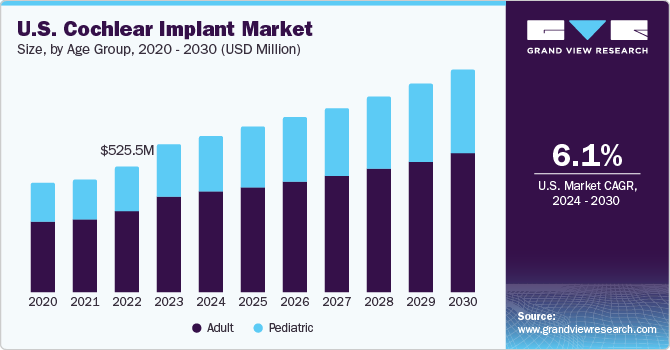
Cochlear Implant Market Demand is Fuelled by Increase in Adoption Due to Technological Advancements

Cochlear Implant Industry Overview

The global cochlear implant market size was valued at USD 1.5 billion in 2021 and is expected to expand at a compound annual growth rate (CAGR) of 8.71% from 2022 to 2030. The growing prevalence of hearing loss and increase in adoption due to technological advancements are the factors expected to drive the growth of the market. According to World Health Organization (WHO) statistics 2021, approximately 5.0% of the global population (430 million people) undergoes rehabilitation to aid their loss of hearing. Over 2.5 billion individuals are estimated to suffer from some degree of hearing loss by 2050.

 U.S. cochlear implant market size, by type of fitting, 2020 - 2030 (USD Million)

Hearing loss has become a major concern in the past few years and can be attributed to various factors including genetic factors, intrauterine infections, birth asphyxia, cerumen impaction, ototoxic medications, and others. These people can benefit from assistive devices including cochlear implants, hearing aids, and others. Favorable reimbursement, the introduction of minimally invasive procedures, and technological advancements are boosting the adoption of cochlear implants. 

Gather more insights about the market drivers, restraints, and growth of the Global Cochlear Implant market

Moreover, the rising geriatric population is expected to propel the growth of the cochlear implants market. According to World Health Organization (WHO), the population aged 60 years and above is accounted for above  1.0 billion in 2020 and is estimated to reach 1.4 billion by 2050. As hearing ability decreases with the age, an increase in the age population is expected to bode well with the market.

The onset of COVID-19 imposed restrictions on audiology surgery and treatment services. While drilling in the mastoid cavity, the probability of aerosolizing the virus posed a greater risk of contamination during neurotological (subcategory of ENT) surgeries. This led to the screening of patients for COVID-19 prior to surgery, which delayed the surgical treatments.

Additionally, the children with cochlear implants require Auditory-Verbal Therapy (AVT) at least during the initial 2 years of the implantation, to better understand the auditory information and to learn speech-language skills. Moreover, appointments for the rehabilitation process after surgery were also postponed or delayed. However, surgeries resumed gradually at a different pace in accordance with the relaxations on COVID-19 restrictions in different countries. With the help of telemedicine, audiology surgeries and treatment methods are recovering gradually from the adverse impact of COVID-19.

In the current scenario, the market is slowly recovering with the rise in investment and with the help of telemedicine. For instance, in April 2020, Cochlear Ltd. received FDA approval for Remote Check Solution in the U.S. It is a telehealth patient assessment tool for patients with cochlear implants having Nucleus 7 Sound Processor. They can conduct a series of hearing assessments with the aid of the Nucleus Smart App.

Browse through Grand View Research's Medical Devices Industry Research Reports.

Over-The-Counter Hearing Aids Market - The global over-the-counter hearing aids market size was valued at USD 1.05 billion in 2022 and is expected to grow at a compound annual growth rate (CAGR) of 5.7% from 2023 to 2030.

Hearing Aids Market - The global hearing aids market size was valued at USD 10.1 billion in 2021 and is expected to expand at a compound annual growth rate (CAGR) of 4.9% from 2022 to 2030.

Cochlear Implant Market Segmentation

Grand View Research has segmented the global cochlear implant market based on the type of fitting, age group, end use and region:

Cochlear Implant Type of Fitting Outlook (Revenue, USD Million, 2016 - 2030)

  • Unilateral
  • Bilateral

Cochlear Implant Age Group Outlook (Revenue, USD Million, 2016 - 2028)

  • Adult
  • Pediatric

Cochlear Implant End-use Outlook (Revenue, USD Million, 2016 - 2028)

  • Hospitals
  • Clinics
  • Others

Cochlear Implant Regional Outlook (Revenue, USD Million, 2016 - 2030)

  • North America
  • Europe
  • Asia Pacific
  • Latin America
  • Middle East & Africa (MEA)

Market Share Insights

March 2022: So nova Holding AG acquired the consumer division of Sennheiser electronic GmbH & Co. KG which forms the 4th business unit of So nova. This new consumer hearing division is expected to attract growth opportunities from a fast-growing market of audiophile headphones.

Key Companies profiled:

Some of the prominent players in the global cochlear implant market include:

  • Cochlear Ltd.
  • So nova
  • MED-EL Medical Electronics
  • Demant A/S
  • Zhejiang Nurotron Biotechnology Co., Ltd.
  • Oticon Medical
  • GAES

Order a free sample PDF of the Cochlear Implant Market Intelligence Study, published by Grand View Research.
Aptamers Market Growth is Boosted by Rising Interest of Many Companies to Invest in The Industry

Aptamers Industry Overview

The global aptamers market size was valued at USD 1,624.5 million in 2021 and is expected to expand at a compound annual growth rate (CAGR) of 23.5% from 2022 to 2030. Recent advancements in the generation, purification, and drug delivery for killing target cells have attracted the attention of many researchers towards aptamers due to the competitive advantages associated with them. Some of the advantages, including small molecular size, low immunogenicity, low cost of manufacturing, and lesser side effects compared to antibodies may fuel the R&D of novel aptamers, thereby driving the market growth.

U.S. aptamers market size, by application, 2020 - 2030 (USD Million)

Despite significant efforts, there are currently no highly effective treatments available against COVID-19 infections due to a large number of genetic mutations. However, biotechnological approaches appear to be promising in the treatment of COVID-19. Consequently, nucleic-acid-based aptamers and peptide aptamers might be effective in treating COVID-19 infection. Thus, various initiatives are being undertaken by governments to boost the R&D of novel treatments for COVID-19. For instance, in September 2020, the Department of Community and Economic Development awarded a contract of USD 320,000 to Aptagen LLC for the research and development of a novel treatment for the COVID-19.

Gather more insights about the market drivers, restraints, and growth of the Global Aptamers market

The aptamers-based diagnostic kits and assays developed by using SELEX technology have the ability to develop high-affinity neutralizers and bioprobes for monitoring SARS-CoV-2 and COVID-19 biomarkers. Therefore, the introduction of diagnostic kits in the market for disease diagnosis is projected to drive market growth. For instance, in December 2021, Achiko AG received approval from the Ministry of Health of the Republic of Indonesia for Aptamex, a COVID-19 diagnostic kit. AptameX is a second-generation diagnostic kit developed by using DNA aptamer-based technology that is a cost-effective, chemically synthesized and emerging diagnostic kit for healthcare.

Aptamers-based diagnostic products are the preferred choice among diagnostic and pathology labs for the diagnosis of disease at the cellular level due to their small size, high specificity, selectivity, and efficacy. Thus, the increasing prevalence of diseases such as cancer, CVD, and AMD may increase the footfall of patients in labs for the diagnosis of these diseases, consequently increasing the demand for aptamer-based diagnostic products. According to Cancer Research U.K. estimates, around 27.5 million people are expected to be diagnosed with cancer by 2040.

In March 2022, SomaLogic announced the initiation of assaying samples using SomaScan Assay for the European Prospective Investigation into Cancer and Nutrition (EPIC) study by analyzing 210 million protein measurements from 30,000 samples. This will help researchers in predicting cancer by better understanding its nature, which in turn may contribute to market growth by addressing the increased demand.

As of now, Macugen developed by Eyetech Pharmaceuticals, Inc., (currently commercialized by Bausch Health Companies Inc.) is the only U.S. FDA-approved (2004) therapeutic aptamer available on the market. It is used for the treatment of age-related muscular degeneration disorder (AMD). Technological advancements in research encourage scientists’ attention toward the development of novel aptamer-based therapeutic drugs for the treatment of various diseases. Currently, there are a number of products under different clinical trials including Zimura developed by IVERIC Bio, Inc., for the treatment of patients with AMD. Thus, the expected approval of this drug may boost the growth of the market over the forecast period.

Browse through Grand View Research's Pharmaceuticals Industry Research Reports.
 

Biomarkers Market - The global biomarkers market size was valued at USD 66.97 billion in 2022 and is expected to expand at a compound annual growth rate (CAGR) of 13.3% from 2023 to 2030. 

Laboratory Developed Tests Market - The global laboratory developed tests market size was valued at USD 10.04 billion in 2022 and is expected to expand at a compound annual growth rate (CAGR) of 6.58% by 2030. 

Aptamers Market Segmentation 

Grand View Research has segmented the global aptamers market based on type, application, technology, end-user and region:

Aptamers Type Outlook (Revenue, USD Million, 2018 - 2030)

  • Nucleic Acid Aptamers
  • Peptide Aptamers

Aptamers Application Outlook (Revenue, USD Million, 2018 - 2030)

  • Diagnostics
  • Therapeutics
  • Research And Developments
  • Others

Aptamers Technology Outlook (Revenue, USD Million; 2018 - 2030)

  • SELEX
  • Other Technologies

Aptamers End-user Outlook (Revenue, USD Million; 2018 - 2030)

  • Pharmaceutical & Biotechnology Companies
  • Academic & Government Research Institutes
  • CROs

Aptamers Regional Outlook (Revenue, USD Million, 2018 - 2030)

  • North America
  • Europe
  • Asia Pacific
  • Latin America
  • MEA

Market Share Insights

August 2021: ProAxsis Limited and Aptamer Group entered into a partnership for the development of optimer ligands for the diagnostic assays of ProAxsis. Optimer ligands are next-generation nucleic-acid-based affinity aptamers.

Key Companies profiled:

Some of the prominent players in the global aptamers market include:

  • SomaLogic
  • Aptamer Group
  • Aptamer Sciences, Inc.
  • Base Pair Biotechnologies
  • Noxxon Pharma
  • Vivonics Inc.
  • Aptagen, LLC
  • TriLink Biotechnologies

Order a free sample PDF of the Aptamers Market Intelligence Study, published by Grand View Research.

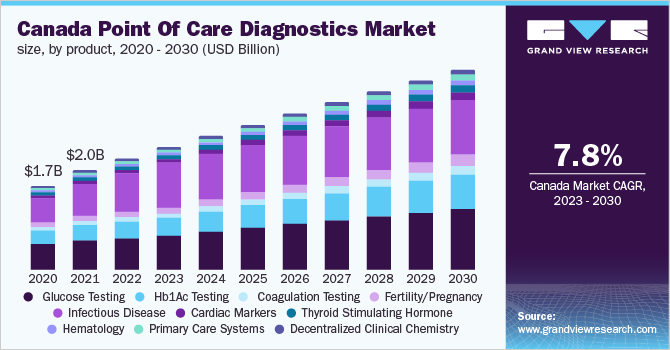
Growing Prevalence of Target Diseases drives Point Of Care Diagnostics Market Revenue by 2030

Point Of Care Diagnostics Industry Overview

The global point of care diagnostics market size was valued at USD 37.03 billion in 2021 and is expected to expand at a compound annual growth rate (CAGR) of 6.8% from 2022 to 2030. The market is set to gain momentum in the coming years on account of the increase in funding from multiple sources, the rising prevalence of target diseases, and the need to address the recent outbreak of coronavirus. The ongoing COVID-19 pandemic had an enormous impact on the global industry in 2021 and the COVID-19 effect is anticipated to reflect in the projected tenure. For instance, in September 2021, the South Korean Department of Defense awarded USD 626 million to Celltrion as a part of the procurement contract for DiaTrust COVID-19 Ag Rapid Test. 

Canada point of care diagnostics market size, by product, 2020 - 2030 (USD Billion)

However, the pandemic disrupted the supply chain and restricted the manufacturers to receive substantial raw material from across borders. An increase in funding by multiple sources, including the U.S. Department of Defense (DOD), the NIH, and private foundations like the Bill & Melinda Gates Foundation, is expected to drive the POCT market. For instance, Grand Challenges Canada and the Bill & Melinda Gates Foundation have launched a joint initiative for POC diagnostics. These organizations are involved in the development and integration of different diagnostic components into interoperable POC platforms with a “plug-and-play” characteristic feature and the capability of running diverse tests from various developers. Research is carried out to incorporate each test on a common platform with a single interface, enabling analysis of different sample specimens, with various approaches for analysis. 

Gather more insights about the market drivers, restraints, and growth of the Global Point Of Care Diagnostics market

The integration of digital technologies is expected to exhibit a powerful impact on the expansion of POC solutions in limited resource settings. Increasing usage of telehealth as new normal is a critical go-to-market strategy for POCT players. As per the U.S. Centers for Disease Control and Prevention, approximately 95% of health centers in the U.S. provided telehealth services during the pandemic. Therefore, the expansion of remote patient monitoring systems such as PixCell Medical, a POC technology for CBC tests, is expected to positively impact the market growth. 

The increasing importance of POC diagnostics in environmental monitoring and public health also demands the integration of technologies that facilitate easy networking, further making it convenient for healthcare professionals to interpret test results accurately. Companies are developing affordable POC with high specificity and sensitivity. For instance, in March 2022, Everything Genetic received approval from the U.K. regulatory bodies for selling COVID-19 Antigen Tests in the U.K. market. The company sells lateral flow devices at GBP 2 for single kits, this is expected to surge the POC diagnostics market growth, especially in developing economies.

Browse through Grand View Research's Clinical Diagnostics Industry Research Reports.

Body Fluid Collection And Diagnostics Market - The global body fluid collection and diagnostics market size was valued at USD 30.19 billion in 2022 and is projected to expand at a compound annual growth rate (CAGR) of 7.5% from 2023 to 2030.

Liver Cancer Diagnostics Market - The global liver cancer diagnostics market size was valued at USD 8,718.8 million in 2022 and is anticipated to expand at a compound annual growth rate (CAGR) of 6.67% by 2030.

Point Of Care Diagnostics Market Segmentation 

Grand View Research has segmented the global point of care diagnostics market based on product, end-use, and region:

Product Outlook (Revenue, USD Million, 2018 - 2030)

  • Glucose Testing
  • Hb1Ac Testing
  • Coagulation Testing
  • Fertility/Pregnancy
  • Infectious Disease
  • Cardiac Markers
  • Thyroid Stimulating Hormone
  • Hematology
  • Primary Care Systems
  • Decentralized Clinical Chemistry
  • Feces
  • Lipid Testing
  • Cancer Marker
  • Blood Gas/Electrolytes
  • Ambulatory Chemistry
  • Drug of Abuse (DOA) Testing
  • Urinalysis/Nephrology

End-use Outlook (Revenue, USD Million, 2018 - 2030)

  • Clinics
  • Hospitals
  • Home
  • Assisted Living Healthcare Facilities
  • Laboratory

Regional Outlook (Revenue, USD Million, 2018 - 2030)

  • North America
  • Europe
  • Asia Pacific
  • Latin America
  • Middle East & Africa

Market Share Insights 

March 2022: Una Health announced to partner with Siemens Healthineers for expanding the distribution channel of Atellica VTLi Patient-side Immunoassay Analyser in the U.K.  This product launch demo exhibited the company's commitment to POC diagnostics and critical care.

March 2022: Visby Medical announced to receive funding of USD 25.5 million from the U.S. Biomedical Advanced Research and Development Authority in order to develop a rapid flu-COVID-19 PCR test for home use. At present, the test is in the under-developing phase and the design is ready as a PCR device that can detect COVID-19, influenza A, and B from a single sample.

Key Companies profiled:

Some prominent companies in the global point of care diagnostics market include:

  • F. Hoffmann-La Roche Ltd.
  • Danaher
  • BD
  • Qiagen
  • Abbott
  • Siemens Healthcare AG
  • bioMerieux SA
  • Zoetis, Inc.
  • Instrumentation Laboratory
  • Nova Biomedical
  • Quidel Corp.
  • Trividia Health, Inc.
  • Sekisui Diagnostics
  • Nipro Corp.
  • Trinity Biotech
  • Orasure Technologies, Inc.
  • Spectral Medical, Inc. 

Order a free sample PDF of the Point Of Care Diagnostics Market Intelligence Study, published by Grand View Research.
Increasing Incidence of Visual Impairment drives Intraocular Lens Market Growth by 2030

Intraocular Lens Industry Overview

The global intraocular lens market size was valued at USD 4.0 billion in 2021 and is expected to expand at a compound annual growth rate (CAGR) of 4.8% from 2022 to 2030. As a result of the outbreak of COVID-19 in December 2019, routine healthcare appointments were canceled in order to avoid the patients from contracting the virus. This had negatively impacted the market in the first half of 2020. As many patients were elderly and at a higher threat of suffering from COVID-19 symptoms, there was a significant drop in procedure volumes, which led to a loss in revenue and temporary or permanent closure of single ophthalmic practice units.

Japan intraocular lens market size, by product, 2020 - 2030 (USD Million)

However, as many medical centers and practices reopened in the second half of 2020, it resulted in an increase in patient volumes. Moreover, the adoption of modified face-to-face appointments and telecommunication allowed for a small number of procedures to continue during the peak of the pandemic. However, there is still a backlog in certain procedures such as cataract surgeries. Furthermore, as the pandemic continues and the risk of occurrence of third or fourth wave in certain countries continues, ophthalmologists are constantly working hard to minimize the backlog of procedures while adhering to safety protocols.

Gather more insights about the market drivers, restraints, and growth of the Global Intraocular Lens market

The pandemic may have led to a long-term change in how ophthalmic procedures are carried out. This may be due to more procedures being carried out in ambulatory surgical centers and specialized clinics rather than in large settings. The introduction of vaccines and the government’s constant efforts to battle against the COVID-19 virus through mass vaccination and increased investment in R&D is helping the market to recover and make a substantial profit during the forecast period. 

Despite the drop in sales of the intraocular lens during the pandemic, the market is recovering and is expected to grow steadily during the forecast period. Factors such as a rise in the incidence of cataracts and an increase in the number of diagnosed cases of blindness are major factors that are boosting the growth of the market. In addition, increasing awareness regarding cataracts and a rise in healthcare spending are expected to drive the sales of intraocular lenses.

Browse through Grand View Research's Medical Devices Industry Research Reports.

Therapeutic Contact Lenses Market - The global therapeutic contact lenses market size was estimated at USD 3.8 billion in 2021 and is estimated to expand at a compound annual growth rate (CAGR) of 7.13% during the forecast period.

Prescription Lens Market - The global prescription lens market size was valued at USD 45.3 billion in 2021 and is expected to expand at a compound annual growth rate (CAGR) of 5.3% from 2022 to 2030.

Intraocular Lens Market Segmentation

Grand View Research has segmented the global intraocular lens market based on product, end use, and region:

Intraocular Lens Product Outlook (Revenue, USD Million, 2017 - 2030)

  • Monofocal Intraocular Lens
  • Multifocal Intraocular Lens
  • Toric Intraocular Lens
  • Accommodative Intraocular Lens

Intraocular Lens End-use Outlook (Revenue, USD Million, 2017 - 2030)

  • Hospitals
  • Ophthalmic Clinics
  • Ambulatory Surgery Centers
  • Eye Research Institutes

Intraocular Lens Regional Outlook (Revenue, USD Million, 2017 - 2030)

  • North America
  • Europe
  • Asia Pacific
  • Latin America
  • Middle East & Africa

Market Share Insights

November 2021: Alcon, Inc. announced its intention to acquire Ivantis, a company that develops and manufactures minimally-invasive surgery devices for glaucoma. The intended acquisition affirms Alcon’s commitment to further strengthen its industry-leading portfolio across refractive, retina, cataract, and glaucoma.

July 2021: Carl Zeiss Meditec AG announced the launch of its new ZEISS medical ecosystem. The company aims to introduce a fully integrated environment, which is technologically advanced, wherein a combination of devices, applications, data management, and services propel constant improvement of patient outcomes.

Key Companies profiled:

Some prominent players in the global intraocular lens market include:

  • Alcon, Inc.
  • Johnson and Johnson Vision Care, Inc.
  • Bausch & Lomb Incorporated
  • Carl Zeiss Meditec AG (ZEISS International)
  • Rayner
  • EyeKon Medical, Inc.
  • Lenstec, Inc.
  • HumanOptics AG
  • STAAR Surgical Company
  • HOYA CORPORATION

Order a free sample PDF of the Intraocular Lens Market Intelligence Study, published by Grand View Research.
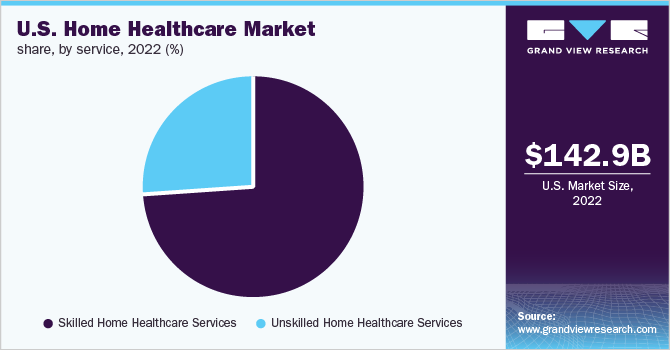
Home Healthcare Market User Perspective Analysis Report by 2030

Home Healthcare Industry Overview

The global home healthcare market size was valued at USD 336.0 billion in 2021 and is expected to expand at a compound annual growth rate (CAGR) of 7.93% from 2022 to 2030. The growing geriatric population and rising incidence of target diseases such as dementia and Alzheimer’s as well as orthopedic diseases are factors expected to fuel market growth. Increasing treatment cost is one of the prime concerns for governments and health organizations, and hence they are striving to curb healthcare costs. Home healthcare is a cost-efficient alternative to an expensive hospital stay.

U.S. home healthcare market size, by component, 2020 - 2030 (USD Billion)

For instance, as per a report by The Commonwealth Fund, “hospital at home” programs enable patients to receive acute care at home with fewer complications and over 30% reduction in the cost of care. This helps ensure patient comfort and is projected to serve as a high impact rendering driver of the market. Advancements in medicine have led to a shift from communicable to noncommunicable diseases in developing countries. Sedentary lifestyle and high consumption of alcohol are factors responsible for increase in the prevalence of lifestyle diseases. Growing incidence of target diseases requiring long-term care, such as Alzheimer’s disease and dementia, is expected to drive the market during the forecast period.

Gather more insights about the market drivers, restraints, and growth of the Global Home Healthcare market

Furthermore, awareness about home care services and devices for such conditions is increasing. Availability of portable devices such as heart rate monitors, respiratory aids, and blood glucose monitors has improved the efficiency and effectiveness of home care for lifestyle diseases. Value-based healthcare is another major factor contributing to the market. In most of the developed and developing nations, the central government is offering either partial or complete coverage for the in-home services. In the U.S., Medicare reimbursements are highly favorable in providing value-based healthcare for improved patient outcomes at a low cost. Thus, in-home care has become a modality of choice for treatment.

The advent of advanced home healthcare services in the country has enabled the delivery of high-quality healthcare in the comfort of one’s home. Moreover, patients can save 10% to 25% from their overall medical treatment costs by opting for home healthcare services. Modern-age networking has provided physicians with access to patient data from remote locations and the ability to provide immediate consultation.

Browse through Grand View Research's Medical Devices Industry Research Reports.

Medical Device Outsourcing Market - The global medical device outsourcing market was valued at USD 117.5 billion in 2022 and is expected to expand at a compound annual growth rate (CAGR) of 12.1% from 2023 to 2030.

Therapeutic Respiratory Devices Market - The global therapeutic respiratory devices market size was valued at USD 18.0 billion in 2022 and is expected to witness a compound annual growth rate (CAGR) of 6.10% from 2023 to 2030.

Home Healthcare Market Segmentation

Grand View Research has segmented the global home healthcare market on the basis of component, indication and region:

Home Healthcare Component Outlook (Revenue, USD Million, 2017 - 2030)

  • Equipment
  • Services

Home Healthcare Indication Outlook (Revenue, USD Million, 2017 - 2030)

  • Cardiovascular Disorders & Hypertension
  • Diabetes
  • Respiratory Diseases
  • Pregnancy
  • Mobility Disorders
  • Cancer
  • Wound Care
  • Other Indications

Home Healthcare Regional Outlook (Revenue, USD Million, 2017 - 2030)

  • North America
  • Europe
  • Asia Pacific
  • Latin America
  • Middle East & Africa (MEA)

Key Companies profiled:

Some of the prominent players in the home healthcare market include:

  • Manufacturers
    • McKesson Medical-Surgical Inc.
    • Fresenius Medical Care
    • Medline Industries, Inc.
    • Medtronic PLC
    • 3M Healthcare
    • Baxter International Inc.
    • B. Braun Melsungen AG
    • Arkray, Inc.
    • F. Hoffmann-La Roche AG
    • Becton, Dickinson And Company
    • Acelity L.P.
    • Hollister Inc.
    • ConvaTec Group PLC
    • Molnlycke Health Care
  • Service Providers
    • Brookdale Senior Living, Inc.
    • Home Health Services Ltd.
    • Sunrise Carlisle, LP
    • Extendicare, Inc.
    • Care UK Limited
    • Senior Care Centers of America
    • Genesis Healthcare Corp.
    • Sompo Holdings, Inc.
    • Kindred Healthcare, Inc.
    • Home Instead Senior Care, Inc.

Order a free sample PDF of the Home Healthcare Market Intelligence Study, published by Grand View Research.

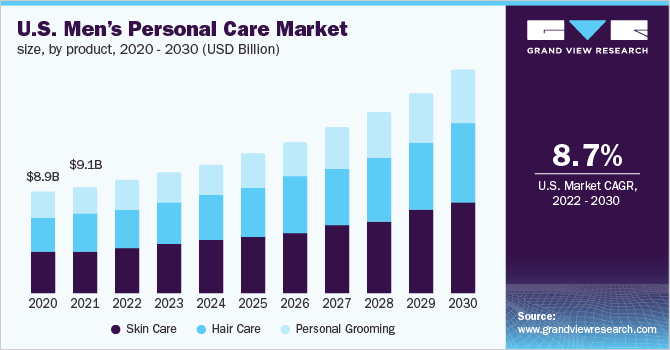
Men's Personal Care Market Size, Share and Trends Analysis Report by Distribution Channel, 2030

Men’s Personal Care Industry Overview

The global men’s personal care market size was valued at USD 30.8 billion in 2021 and is expected to expand at a compound annual growth rate (CAGR) of 9.1% from 2022 to 2030. The growing demand for gender-specific products such as shampoos, conditioners, shaving creams, and face masks and peels by men is expected to positively impact the market. Moreover, the flourishing e-commerce sector is anticipated to boost market growth further. The COVID-19 pandemic is likely to slow down the growth of the market in the near term. Since most of the brick-and-mortar stores were shut down for many weeks, there was the rising popularity of home remedies for skincare among consumers. Since many consumers could not have access to products of their choice, these home remedies comprising all-natural household ingredients gained popularity.

U.S. men’s personal care market size, by product, 2020 - 2030 (USD Billion)

Personalized products have been gaining traction among consumers in the U.S. According to the survey by L.E.K. in the U.S. in 2021, 26.0% of all men purchase their personal care products instead of having a significant other or family member do it for them. With growing consumer inclination for specific grooming products is expected to witness significant demand over the forecast period. Increasing investments in the research and development of products, coupled with the rising trend of natural ingredient-based products, have encouraged manufacturers to launch new products. For instance, in May 2020, Bulldog Skincare, a well-established men’s grooming products manufacturer in the U.K., has launched a sustainable bamboo-made razor for sensitive skin. 

Gather more insights about the market drivers, restraints, and growth of the Global Men’s Personal Care market

There has been escalating demand for products performing numerous functions along with their traditional ones, such as shaving creams or lotions that have a moisturizing effect, and moisturizers with sun protection. This is likely to contribute to the growth of the men’s personal care products market during the forecast period. For instance, Dr. Rashel Active Energy All in One face cream can be used for aftershave, sunscreen, and moisturizer. The rising disregard of gender binaries among Generation Z consumers is one of the major growth opportunities offered by the market. With increasing awareness among men regarding personal grooming products, men are now more than willing to indulge in personal grooming as a part of self-care. For new brands entering the market, introducing more male models as part of the photoshoot for unisex products is proving to be beneficial.

Most of the companies in the market have been relying on social media platforms including YouTube, Instagram, and Facebook to promote their products as one of the prominent strategies to pique consumer interest. The established players in the beauty and cosmetics market have been taking advantage of these influencers and launching innovative products specifically designed for men. For instance, in April 2021, Caldera + Lab announced the launch of two products – cleanser and moisturizer.

Browse through Grand View Research's Beauty & Personal Care Industry Research Reports

Skin Care Products Market - The global skin care products market size was valued at USD 130.50 billion in 2021 and is expected to expand at a compound annual growth rate (CAGR) of 4.6% from 2022 to 2030.

Men’s Grooming Products Market - The global men’s grooming products market was valued at USD 202.6 billion in 2022 and is projected to expand at a CAGR of 8.0% from 2023 to 2030.

Men’s Personal Care Market Segmentation

Grand View Research has segmented the global men’s personal care market on the basis of product, distribution channel, and region:

Men’s Personal Care Product Outlook (Revenue, USD Million, 2017 - 2030)

  • Skin Care
  • Hair Care
  • Personal Grooming

Men’s Personal Care Distribution Channel Outlook (Revenue, USD Million, 2017 - 2030)

  • Hypermarkets & Supermarkets
  • Pharmacy &Drugstores
  • E-commerce
  • Others

Men’s Personal Care Regional Outlook (Revenue, USD Million, 2017 - 2030)

  • North America
  • Europe
  • Asia Pacific
  • Central & South America
  • Middle East & Africa

Market Share Insights

October 2021: Vedix, a customized ayurvedic beauty brand in India, announced the entry into the men’s skincare category with men grooming range of products such as face wash, moisturizer, and overnight serum.

March 2021: Procter & Gamble brand, Gillette launched the first razor Gillette SkinGuard Sensitive designed especially for men with sensitive skin to the luxurious GilletteLabs Heated Razor collection.

Key Companies profiled:

Some of the prominent players in the men’s personal care market include:

  • Procter & Gamble
  • Reckitt Benckiser
  • Unilever
  • L’Oréal
  • Beiersdorf AG
  • Johnson & Johnson
  • Coty Inc.
  • Estee Lauder Companies, Inc.
  • Edgewell Personal Care Company
  • Kao Corporation

Order a free sample PDF of the Men's Personal Care Market Intelligence Study, published by Grand View Research.

Beyond Patent Cliffs: What Is Really Fueling Expansion in the Biosimilars Market

Biologic drugs transformed the treatment of cancer, autoimmune disease, and diabetes, but their cost has kept many patients and health syste...